Choosing a reinforced silicone hose for industrial machinery involves more than comparing reinforcement materials. A hose designed to resist collapse under vacuum may not be the right choice for a pressurized system, while a hose suitable for high-temperature service may not meet the installation's flexibility or routing requirements.
Wire, glassfiber, and aramid reinforcement serve different design purposes. Understanding their structural differences helps purchasing teams narrow down suitable options before comparing product specifications.
Key Takeaways
- Wire reinforcement is particularly relevant to vacuum applications that require resistance to hose collapse.
- Glassfiber-reinforced hoses are worth evaluating for demanding thermal environments, subject to verified product ratings.
- Aramid-braided hoses offer a reinforced construction that can balance mechanical strength and flexibility.
- The finished hose's specifications, not the reinforcement material alone, determine its suitability for a specific application.
Wire vs. Glassfiber vs. Aramid Reinforced Silicone Hose
The three reinforcement types differ in structure and intended function. They should be compared according to the operating conditions the hose must handle.
| Reinforcement type | Structural feature | Primary selection consideration |
| Wire | Embedded spiral wire or steel-ring reinforcement, depending on the design | Vacuum resistance, collapse prevention, and hose shape |
| Glassfiber | Glassfiber incorporated into the hose construction | Temperature exposure and verified operating limits |
| Aramid | High-strength fiber reinforcement, including braided constructions | Required mechanical strength, pressure rating, and flexibility |
These categories are not mutually exclusive in every hose design. Some silicone duct hoses, for example, may combine glassfiber materials with a steel-wire helix. Buyers should therefore check the complete construction rather than assume that a product contains only one reinforcement material.
Wire Reinforced Silicone Hose: When Vacuum Resistance Matters
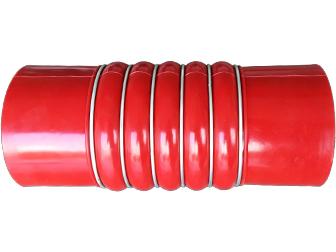
In vacuum service, the pressure difference between the inside and outside of a hose can cause the hose wall to deform or collapse. A suitable wire-reinforced construction can help maintain the flow path under the specified vacuum conditions.
An embedded spiral wire is particularly relevant when the hose needs to remain flexible while resisting collapse. However, the required vacuum level, hose diameter, bend radius, and reinforcement arrangement all affect suitability.
Wire reinforcement can also take other forms. For example, a steel-ring-reinforced silicone radiator hose has a different structural design from a spiral-wire vacuum hose. These constructions should not be treated as interchangeable simply because both contain metal reinforcement.
When evaluating a wire-reinforced hose, buyers should establish:
- Whether the application involves vacuum, positive pressure, or both.
- The required operating level and the product's rated limits.
- Whether the hose must retain its shape around bends or through confined spaces.
- Whether the reinforcement arrangement fits the equipment's installation requirements.
Wire reinforcement alone does not guarantee suitability for high pressure. The hose must be rated for the actual operating conditions.
Glassfiber Reinforced Silicone Hose: Evaluating Thermal Conditions
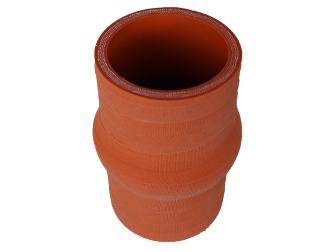
Glassfiber-reinforced silicone hoses are an option to consider when thermal exposure is a major factor in the application. Rainbow lists glassfiber-reinforced hoses for demanding temperature environments.
The key distinction is between the properties of a reinforcement material and the performance of a finished hose. Glassfiber may contribute to a hose's construction, but the maximum operating temperature and pressure also depend on the silicone compound, wall design, reinforcement arrangement, and manufacturing process.
For industrial machinery, the temperature requirement should be defined before a product is selected. Continuous operating temperature, short-term peaks, and repeated heating and cooling cycles may place different demands on the hose.
Buyers should verify the following product-specific information:
- Continuous operating temperature and permitted peak temperature.
- Working pressure at the intended operating temperature.
- Suitability for repeated thermal cycling, where applicable.
- Compatibility with surrounding fluids, chemicals, and environmental exposure.
Do not assume that every glassfiber-reinforced hose has the same temperature rating. Where the operating environment is demanding, compare documented ratings and test data for the actual product.
Aramid Reinforced Silicone Hose: Mechanical Reinforcement with Flexibility
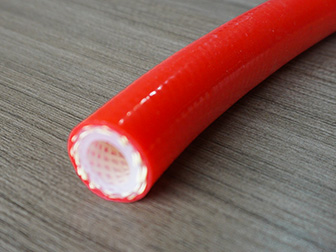
Aramid is a high-strength synthetic fiber used in reinforced hose constructions. Rainbow offers a high-temperature braided silicone hose featuring a double-layer aramid braid.
This construction may be worth evaluating when an application requires mechanical reinforcement without relying solely on a rigid support structure. The braid forms part of the hose wall, and its contribution to performance depends on the braid design, silicone compound, and overall construction.
Aramid reinforcement should not automatically be considered superior to glassfiber or wire reinforcement. The appropriate choice depends on the application. A hose that needs to resist vacuum collapse, for example, may require a different structural solution from one designed for a particular combination of pressure and flexibility.
Before selecting an aramid-reinforced hose, confirm its working pressure, operating temperature, dimensions, and minimum bend radius where specified. Also check any stated limitations related to vibration, movement, or environmental exposure.
How to Choose Reinforced Silicone Hoses for Industrial Machinery
Rather than choosing a reinforcement material first, begin with the problem the hose must solve. The following decision points help distinguish the three options.
Is Vacuum Collapse the Main Concern?
If negative pressure could deform the hose and restrict flow, evaluate a wire-reinforced design specifically rated for the required vacuum conditions.
Check whether the hose can maintain its shape along the intended route. A product's general description as wire-reinforced is not enough to establish its vacuum capability.
Is Temperature the Primary Challenge?
For equipment exposed to demanding thermal conditions, compare the verified temperature limits of glassfiber-reinforced and aramid-reinforced products that fit the application.
Consider both continuous and peak temperatures. If the system cycles between hot and cold conditions, confirm whether the product is suitable for that duty. Do not choose based on the reinforcement material's name alone.
Does the Installation Require a Specific Combination of Strength and Flexibility?
For hoses routed through confined spaces or around moving components, compare the actual bend radius, dimensions, reinforcement structure, and rated pressure of the available designs.
An aramid braid may be suitable for some applications requiring mechanical reinforcement and flexibility. A wire-reinforced design may be more appropriate where structural support under vacuum is the main requirement. The final decision should follow the product specifications and installation constraints.
Does the Complete Hose Meet the Operating Requirements?
Before approving a product, confirm the following:
- Inner diameter, outer diameter, length, and connection dimensions.
- Working pressure or vacuum rating.
- Continuous and peak operating temperatures.
- Minimum bend radius and installation limitations.
- Material compatibility and relevant test documentation.
These checks help identify whether a standard hose is suitable or whether a custom configuration should be evaluated. Customization is most useful when it addresses a defined requirement, such as an unusual routing path, connection geometry, or specified operating condition.
Compare Reinforced Silicone Hose Options from Rainbow
Rainbow Manufacturing offers several reinforcement constructions for different silicone hose applications. The relevant product categories can help buyers compare available designs before confirming application-specific requirements.
- Wire Reinforced Silicone Hose — for evaluating wire-reinforced constructions, including products intended for vacuum service.
- Glassfiber Reinforced Silicone Hose — for reviewing options intended for demanding thermal environments.
- Aramid Reinforced Silicone Hose — for comparing braided reinforcement options.
When requesting a quotation, provide the operating pressure or vacuum level, temperature range, hose dimensions, installation layout, and relevant environmental conditions. These details help determine which construction and product specifications should be evaluated for the application.
FAQ
Is Wire-Reinforced Silicone Hose Suitable for Positive Pressure?
It depends on the hose construction and its rated working pressure. Some wire-reinforced designs may be suitable for positive-pressure applications, but suitability should be confirmed from the manufacturer's product specifications.
Can Aramid-Reinforced Silicone Hose Replace Glassfiber-Reinforced Hose?
Not necessarily. The two constructions may differ in mechanical performance and application suitability. Compare the finished hoses' temperature limits, pressure ratings, flexibility, and installation requirements before selecting a replacement.