头部背景图片

A Complete Guide to Buying a Used Excavator

2025-10-22

Investing in a used excavator is one of the smartest ways for contractors to save money while still getting high-quality construction equipment. However, buying a second-hand machine requires careful evaluation to avoid unexpected repair costs. Here’s a step-by-step guide to help you make the right decision.

1. Define Your Project Needs

Before buying, ask yourself:

  • What type of work will the excavator handle? (earthmoving, demolition, mining, or roadwork)

  • Do you need a mini excavator (1.5–6 tons) for urban projects or a large excavator (30+ tons) like the Komatsu PC450 for heavy-duty operations?

Choosing the right size saves fuel and improves efficiency.

2. Check Machine Hours

One of the most important factors in evaluating a used excavator is working hours. Machines with under 5,000 hours are generally considered low-hour and still have a long lifespan. A Caterpillar 320D with 4,500 hours or a Hyundai R220LC-9S with 6,000 hours can still deliver strong performance.

3. Inspect Key Components

  • Engine: Look for smoke, unusual noise, and oil leaks.

  • Hydraulics: Check for smooth operation and no jerky movements.

  • Undercarriage: Worn-out tracks can be expensive to replace.

  • Boom and Bucket: Inspect for cracks or welds that may indicate past damage.

Brands like Volvo and Doosan are known for durable hydraulic systems, while CAT and Komatsu excel in undercarriage strength.

4. Review Service Records

Always ask for maintenance history. A well-maintained machine with regular servicing is more reliable than a low-hour machine with poor records. Machines from rental fleets often have complete service logs, making them a safe choice.

5. Consider After-Sales Support

Buying a popular brand like Caterpillar, Komatsu, Hyundai, or SANY ensures easy access to spare parts. Global availability of parts reduces downtime and keeps your project running smoothly.

6. Work with Trusted Dealers


When possible, buy from a reputable dealer who offers inspection reports and warranties. This minimizes risk compared to private sellers.

Choosing the Right Excavator — How It Impacts Productivity and Profit in Construction

2025-10-22

When it comes to construction or mining projects, the excavator is often the most critical piece of equipment on site. It is the machine that moves earth, loads trucks, and shapes the landscape. However, not every excavator is the same, and the difference between choosing the right one and the wrong one can mean the difference between profit and loss.


The Role of an Excavator in Modern Construction

An excavator is more than just a digging machine—it’s the backbone of almost every construction project. From site preparation and trenching to demolition and material handling, the excavator is used in every phase. Contractors rely on these machines for their strength, versatility, and speed.

However, the wrong excavator size, brand, or condition can increase fuel costs, delay project timelines, and reduce efficiency. Choosing the correct excavator directly impacts productivity and long-term profitability.


New vs. Used Excavators — What’s Right for You?

One of the first decisions contractors face is whether to buy a brand-new excavator or a used one. While new machines offer the latest technology, a used excavator for sale can deliver excellent value for money—especially for contractors in developing regions where cost control is essential.

A quality used Hyundai, Komatsu, or SANY excavator can perform like new if properly maintained. The key is to purchase from a trusted heavy equipment supplier who inspects, tests, and services every unit before shipment.


Factors to Consider When Selecting an Excavator

  1. Operating Weight and Power — The size of the excavator must match the type of work. A 22-ton machine like the Hyundai 220LC or SANY SY215 is ideal for general construction, while a 35-ton or 50-ton excavator suits mining and road building.

  2. Hydraulic System — A strong hydraulic system ensures smooth control and digging force. Always check for leaks and inspect the main pump before purchase.

  3. Fuel Efficiency — Modern excavators are designed with eco-friendly engines that reduce fuel consumption without compromising performance.

  4. Parts Availability — Choose a brand with widely available spare parts. Hyundai, Komatsu, and Caterpillar all have extensive global networks.

  5. Machine History — For used units, check the working hours, maintenance records, and component wear—especially the undercarriage, which accounts for 50% of operating cost.


How the Right Excavator Saves You Money

A properly matched excavator not only improves speed but also reduces unnecessary fuel consumption and maintenance. Using an oversized excavator for light work wastes energy, while an undersized one wears out faster.
With the right match, you’ll see:

  • Lower fuel and maintenance costs

  • Fewer breakdowns

  • Higher operator comfort and productivity

  • Longer machine lifespan


Final Thoughts

Choosing the right excavator is not just a technical decision—it’s a business strategy. It affects your fuel bills, project schedules, and customer satisfaction. Whether you are buying a used excavator or investing in a new model, consider your long-term operation cost, the quality of after-sales service, and the availability of spare parts.

In construction, every minute counts, and every liter of diesel adds up. The smarter your equipment choices, the stronger your business foundation becomes.

Excavator Maintenance Guide — Keep Your Heavy Equipment Running Like New

2025-10-22

An excavator is a serious investment, whether new or used. Keeping it in good condition means maximizing your return on that investment. Proper maintenance not only extends the life of your machine but also ensures consistent performance and safety for operators.

Here’s a complete guide on how to keep your excavator in top working shape—so your projects stay efficient and profitable.


1. Daily Inspection Before Operation

Before every shift, conduct a quick but detailed walk-around inspection. Check for oil leaks, loose bolts, or unusual wear. Look at the track tension and inspect the teeth on the bucket. Daily attention to small issues prevents costly repairs later.

Operators should also check fluid levels—engine oil, hydraulic oil, coolant, and fuel. A few minutes spent on inspection can save hours of downtime.


2. Keep the Hydraulic System Clean

The hydraulic system is the heart of your excavator. Contaminated oil can lead to pump failure or system inefficiency. Always use clean filters and replace them according to the manufacturer’s schedule.
If you notice slow movement, low digging power, or strange noises, stop operation immediately and inspect the system for leaks or air contamination.


3. Maintain the Undercarriage

The undercarriage accounts for nearly 20% of an excavator’s total cost—and almost 50% of its maintenance expenses. Regular cleaning after work, especially in muddy conditions, prevents soil and rocks from damaging the rollers and sprockets.
Track tension should be checked weekly. Too tight increases wear; too loose can cause track derailment.


4. Engine and Cooling System Care

An overheated engine can cause major damage. Keep the radiator and coolers clean from dust or debris. Replace air filters on time, especially if you’re working in desert or quarry environments.
A well-maintained engine ensures smoother operation, lower fuel consumption, and fewer breakdowns.


5. Store and Operate Properly

When the excavator is not in use, store it under cover to prevent rust and weather damage. If you operate in extremely cold or hot climates, adjust your maintenance schedule accordingly.
Also, always train operators properly—many component failures result from incorrect handling rather than mechanical defects.


6. Work With a Reliable Supplier

Whether you’re maintaining a brand-new Hyundai or a used Komatsu excavator, spare parts and technical support are crucial. Partner with a trusted construction machinery supplier who can provide genuine parts, professional inspection, and after-sales guidance.


Why Maintenance Equals Profit

Well-maintained excavators work faster, use less fuel, and break down less often. This means more completed projects, lower repair bills, and higher resale value when you decide to upgrade.

Neglect, on the other hand, shortens lifespan and increases total cost of ownership. A machine that fails on site can halt the entire project—something no contractor can afford.


Final Words

Caring for your excavator is not just about keeping it clean—it’s about running a smarter, more profitable operation. By maintaining your machine regularly and buying from reliable suppliers, you ensure long-term success in the heavy equipment business.


Excavator Maintenance Tips How to Keep Your Machine in Top Condition

2025-10-22

An excavator is one of the most important machines on a construction site. Whether you use it for earthmoving, mining, or road building, keeping it in excellent condition is the key to long-term performance and lower operating costs. Here are some essential maintenance tips every operator and contractor should follow.


1. Perform Daily Inspections

Before starting work, always check:

  • Engine oil and coolant levels

  • Hydraulic oil level

  • Track tension and undercarriage condition

  • Filters and air intake system
    Spotting small issues early can prevent major breakdowns.


2. Keep the Hydraulic System Clean

The hydraulic system is the “heart” of an excavator. Regularly check hoses and cylinders for leaks and replace worn seals. Always use clean hydraulic oil and change filters as recommended by the manufacturer.


3. Take Care of the Undercarriage

The undercarriage often wears the fastest. Clean mud, rocks, and debris at the end of each day to avoid unnecessary stress. Proper track tension also improves fuel efficiency and extends service life.


4. Use Genuine Spare Parts

When replacing components, always choose original spare parts. They provide better durability and reduce the risk of breakdowns, ensuring your excavator works reliably in tough environments.


5. Follow Scheduled Servicing

Stick to the manufacturer’s service intervals for oil changes, filter replacement, and system checks. Preventive maintenance costs much less than emergency repairs.


Conclusion


A well-maintained excavator is safer, more efficient, and has a higher resale value. By following these maintenance tips, contractors can save fuel, reduce downtime, and keep their projects running smoothly.

How Often Should Excavator Wear Parts Be Replaced?

2025-10-22

Excavators are built for heavy-duty operations, but no matter how strong the machine is, certain components are exposed to constant friction, pressure, and impact. These are called wear parts, and they play a vital role in the machine’s performance. Replacing them at the right time is essential to avoid downtime and costly repairs.

Below is a detailed guide to common excavator wear parts and their typical replacement intervals.


1. Bucket Teeth

Bucket teeth face the toughest conditions because they make direct contact with soil, rocks, and abrasive materials.

  • Average lifespan: 200–500 hours

  • Factors that reduce lifespan: working in rocky terrain, improper digging angle, and lack of timely replacement.

  • Replacement tip: If bucket teeth look blunt or cracked, replace them immediately to maintain efficient digging and protect the bucket.


2. Cutting Edges

Mounted on the bucket, cutting edges protect the bucket body and improve digging efficiency.

  • Average lifespan: 400–800 hours

  • Factors that reduce lifespan: high-intensity digging, using worn teeth for too long, or operating on sharp stones.

  • Replacement tip: Worn edges increase fuel consumption and put more strain on the machine. Regular inspection helps extend bucket life.


3. Undercarriage Parts (Tracks, Rollers, Sprockets, Idlers)

The undercarriage supports the machine’s weight and is constantly exposed to dirt, mud, and rocks. It’s also one of the most expensive systems to maintain.

  • Average lifespan: 1,200–2,000 hours

  • Factors that reduce lifespan: working in abrasive terrain, improper track tension, or lack of cleaning after work.

  • Replacement tip: Clean the undercarriage daily and adjust track tension as recommended. Early replacement of worn parts prevents damage to the entire system.


4. Hydraulic Hoses and Seals

The hydraulic system is the “heart” of the excavator, and its components are under high pressure.

  • Average lifespan: 1–2 years depending on usage

  • Factors that reduce lifespan: extreme heat, contamination in hydraulic oil, and poor-quality replacement parts.

  • Replacement tip: Inspect monthly for leaks, cracks, or swelling. Even small leaks can lead to costly system failures.


5. Filters (Oil, Fuel, and Air Filters)

Filters keep the excavator clean from dust and impurities, protecting the engine and hydraulic system.

  • Average lifespan: 250–500 hours

  • Factors that reduce lifespan: working in dusty or sandy environments, poor fuel quality, or irregular servicing.

  • Replacement tip: Always replace filters on schedule. A clogged filter increases fuel consumption and reduces engine performance.


Why Timely Replacement Is Important

  • Prevents downtime – Replacing worn parts avoids sudden breakdowns that can delay projects.

  • Improves efficiency – Sharp teeth, clean filters, and healthy hydraulics make the machine more fuel-efficient.

  • Reduces repair costs – Small parts are cheaper to replace than repairing major components.

  • Extends service life – A well-maintained excavator can last thousands of hours longer.

  • Higher resale value – Buyers prefer machines with documented maintenance and timely replacement of wear parts.


Conclusion

There is no “one-size-fits-all” rule for replacing excavator wear parts because every jobsite is different. Harsh working environments and poor maintenance shorten lifespan, while regular inspections and genuine parts extend it.

As a general rule:

  • Inspect daily

  • Replace on schedule

  • Never ignore signs of wear

By doing so, you can ensure your excavator remains safe, efficient, and profitable for years to come.

How to Choose the Right Excavator for Your Construction Project

2025-10-22

When it comes to modern construction projects, an excavator is one of the most essential pieces of equipment. Whether you are working on road building, mining, demolition, or large-scale earthmoving, choosing the right excavator can significantly improve efficiency and reduce costs.

1. Consider the Size and Weight

Excavators come in different categories such as mini excavators, medium excavators, and large excavators. For smaller urban projects, a 1.5–6 ton mini excavator is ideal due to its compact size and ability to maneuver in tight spaces. For mining and heavy construction, larger models like the Komatsu PC450 or Caterpillar 336 are better suited.

2. Engine Power and Fuel Efficiency

Brands like Hyundai, Doosan, and Volvo are well-known for their fuel-efficient engines. A reliable engine means less downtime and lower operating costs. Always compare horsepower and fuel consumption before purchasing.

3. Attachments and Versatility

An excavator is not just for digging. With attachments like hydraulic breakers, grapples, and augers, one machine can handle multiple tasks. For example, the SANY SY365H is popular because it supports a wide range of attachments.

4. Spare Parts and After-Sales Support

When investing in a machine, always consider parts availability. Brands like Caterpillar and Komatsu have global support networks, making it easier to source spare parts quickly.

5. New vs Used Excavators

A used excavator with low working hours can be a cost-effective choice. Many companies offer fully inspected second-hand excavators such as Hitachi ZX200-3 or Hyundai R220LC-9S, which still provide strong performance at a lower price.

Conclusion: Choosing the right excavator depends on your project size, budget, and long-term maintenance needs. By comparing brands like CAT, Komatsu, Volvo, Hyundai, SANY, and Doosan, you can make the best investment for your business.

Differences Between Forging and Casting Their Applications, Advantages, and Disadvantages

2025-10-21

I. Differences Between Forging and Casting:  

1. Definition:  

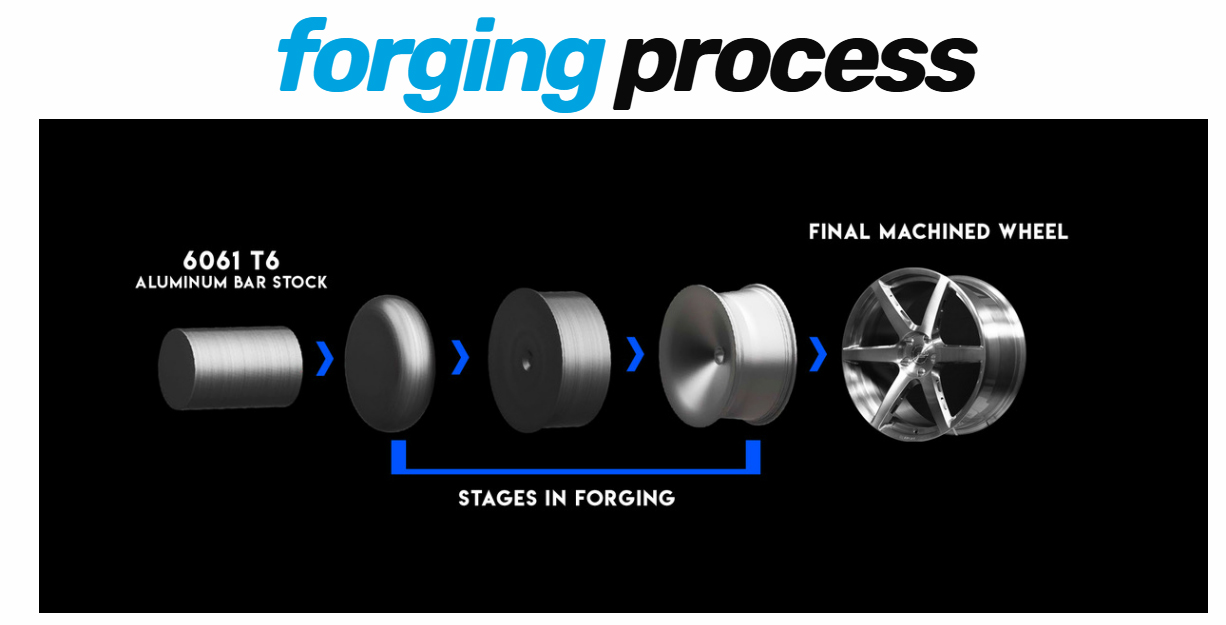
   - Forging: A processing method in which metal materials in a plastic state are hammered or pressed to form workpieces of certain shapes and dimensions, thereby altering their physical properties.  

   - Casting: A method of processing molten metal into liquid, pouring it into a mold, and allowing it to cool and solidify to obtain cast parts of the desired shape. It is suitable for producing objects with complex shapes.  

2. Manufacturing Process:  

- Forging: A method that uses forging machinery to apply pressure to metal billets, causing plastic deformation to obtain forgings with specific mechanical properties, shapes, and dimensions. It is one of the two major components of forging and stamping.  

 - Casting: A method of pouring molten metal into a mold cavity matching the shape of the part and allowing it to cool and solidify to obtain the part or rough casting.  


II. Applications of Forging and Casting:

- Forging is generally used for processing parts with specific shapes and dimensions.  

- Casting is an economical method for forming rough castings and is typically used for parts with complex shapes.


III. Advantages and Disadvantages of Forging and Casting:

Advantages of Forging:

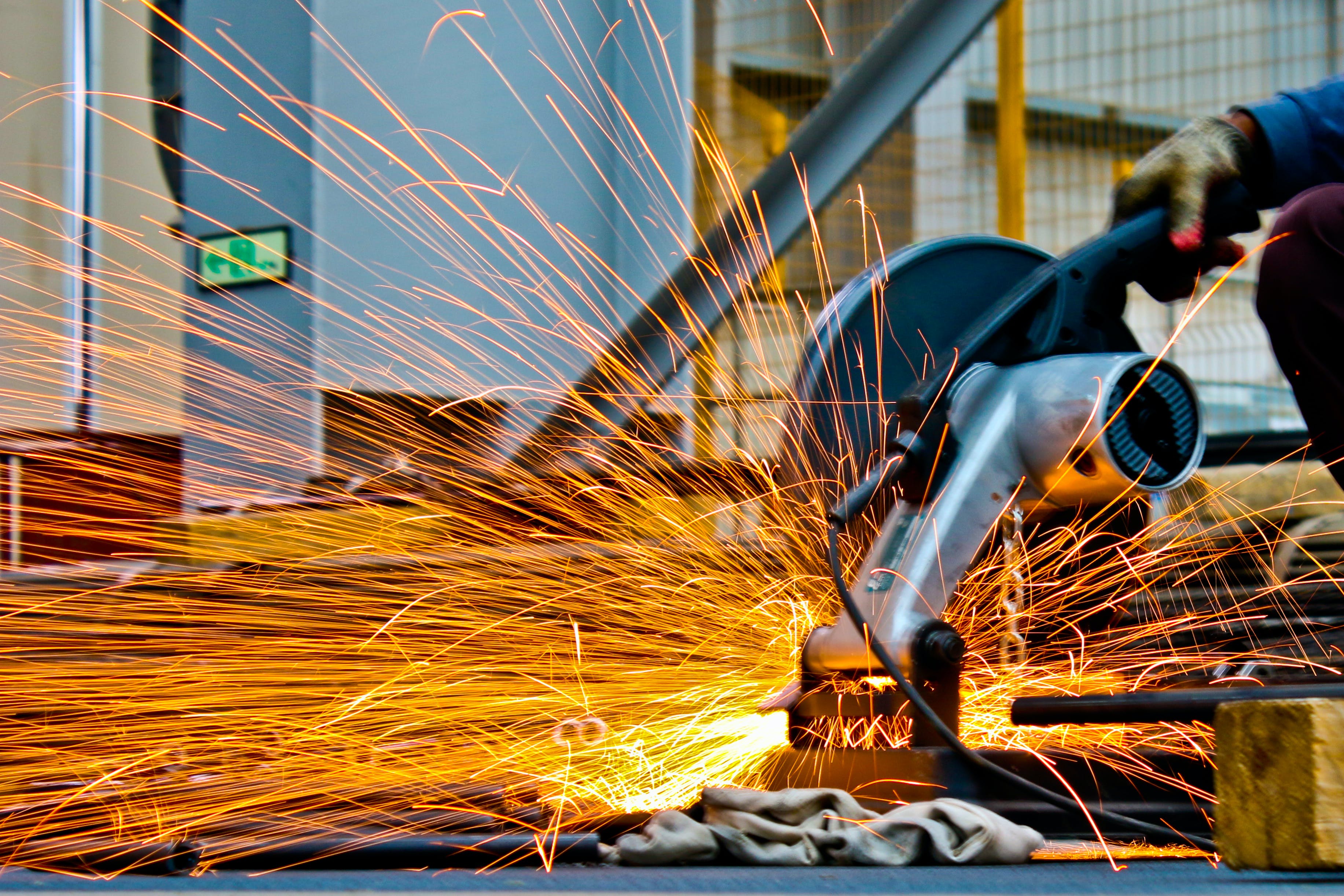
- Forging eliminates defects such as porosity formed during the smelting process, refines the microstructure, and preserves the complete metal grain flow. As a result, forgings generally exhibit superior mechanical properties compared to castings of the same material. Critical components in machinery that endure high loads and harsh working conditions are often forgings, except for simpler shapes that can be made from rolled plates, profiles, or welded parts. 

Advantages of Casting:

1. Capable of producing parts with complex shapes, especially those with intricate internal cavities.  

2. Wide applicability, as commonly used industrial metals can be cast, ranging from a few grams to hundreds of tons.  

3. Raw materials are widely available and inexpensive, such as scrap steel, discarded parts, and chips.  

4. The shape and dimensions of castings are very close to those of the final part, reducing the need for machining and enabling near-net-shape processing.  

5. Widely used; castings account for 40%–70% of agricultural machinery and 70%–80% of machine tools by weight.

Disadvantages of Forging:  

- Forging production is prone to accidental injuries.  

Disadvantages of Casting:  

1. Mechanical properties are inferior to forgings, with issues such as coarse microstructure and numerous defects.  

2. In sand casting, small-scale or single-piece production involves high labor intensity.  

3. Casting quality is unstable due to multiple processes and complex influencing factors, leading to various defects.  


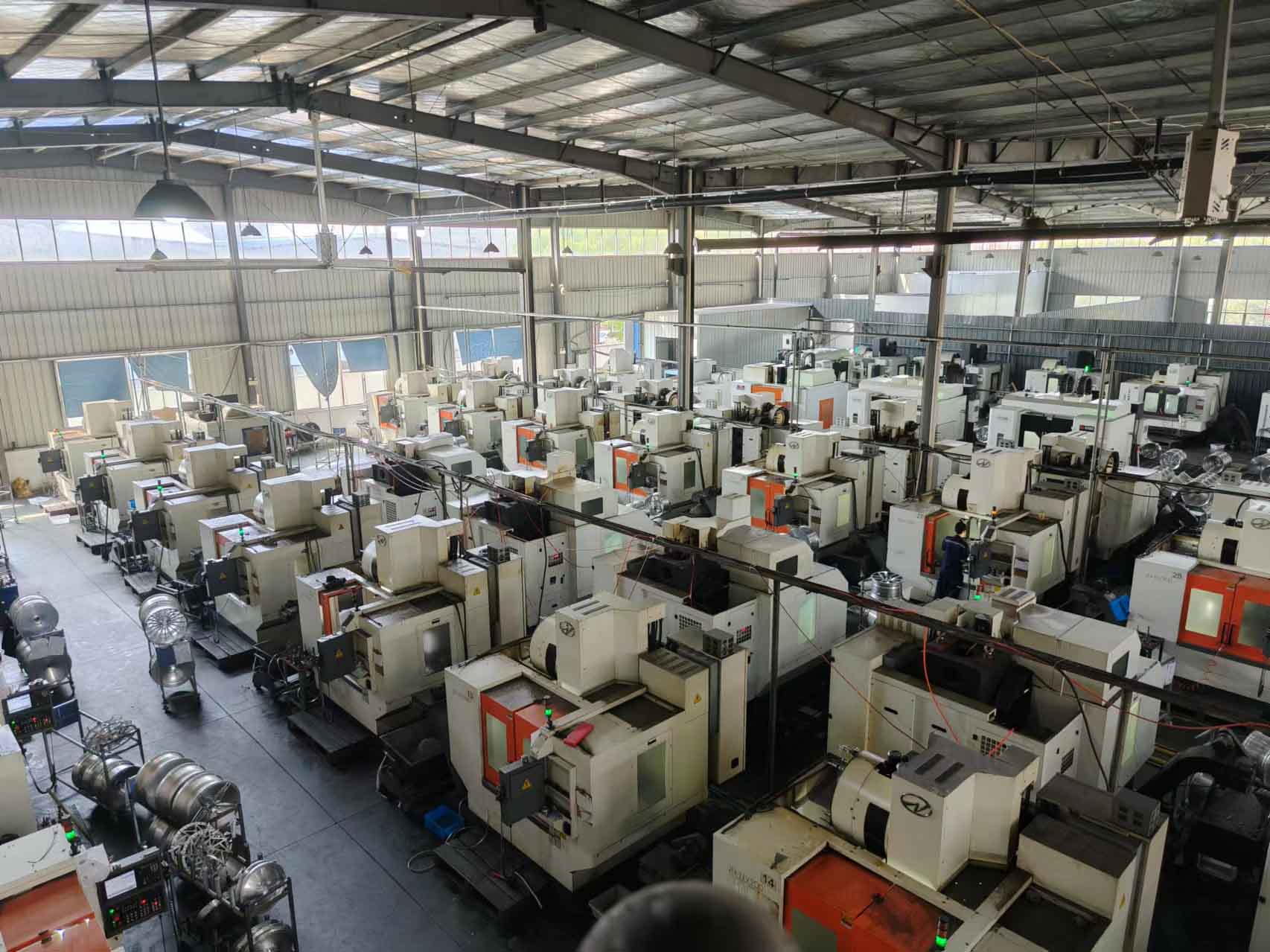
Yuanpeng maintain deep, long-term partnerships with the factory around 20 years. The factory has strong mechanical and automated production capabilities which ensure stable quality and performance of the forgings/casting and good consistency.

How to Choose Common Types of Excavator Buckets?

2025-10-21

Anhui Yuanpeng has been committed to the sales and service of excavator buckets and other machinery parts. We focus on the supply of high-quality excavator buckets, diversified mechanical parts matching, as well as professional customization and technical support. Below is a brief introduction to the common types of excavator buckets provided by us:


With the continuous expansion of excavator attachments, excavators have been endowed with different functions. However, the original definition of an excavator is inseparable from the bucket. Certainly, due to the change of construction scenarios, the objects to be excavated may be either hard or soft. Therefore, there are various types of buckets as listed below:


1. Standard Bucket

The standard bucket is a common standard-equipped bucket for small and medium-sized excavators. Generally, backhoe excavators are equipped with earth-moving buckets, which are suitable for light operation scenarios such as excavating general clay and loading sand, soil, and gravel—hence the name "earth-moving bucket". It adopts a standard plate thickness, with no obvious reinforcement process on the bucket body. The standard bucket has a large capacity and a large bucket mouth area, as well as a large stacking surface, thus featuring a high filling coefficient, high work efficiency, and low manufacturing cost.


2. Reinforced Bucket

Based on the original structure of the standard bucket, the reinforced bucket uses high-strength wear-resistant steel to reinforce high-stress and easy-wear parts. It not only inherits all the advantages of the standard bucket but also significantly improves strength and wear resistance, greatly extending its service life. It is suitable for heavy-duty operations such as excavating hard soil, relatively soft stones, and loading crushed stones and gravel.


3. Rock Bucket

The rock bucket adopts thickened plates as a whole. High-stress parts are specially reinforced, and easy-wear parts use thicker materials, with reinforcing ribs at the bottom. Reinforcements are applied to the bucket teeth, bucket wings, both sides of the bucket teeth, and the bottom of the bucket. In addition, the rock bucket is equipped with side guards and protective plates. It is suitable for heavy-load operations involving excavating soil mixed with relatively hard stones, weakly cemented rocks, weathered rocks, and hard rocks, and is widely used in harsh working conditions such as ore mining.


4. Mud Bucket

 Also known as the dredging bucket, it has no bucket teeth and a relatively large width. The mud bucket is suitable for plane trimming of slopes (where large capacity is required) and dredging work in rivers, ditches, etc.


5. Ditch Bucket

The excavator ditch bucket is suitable for excavating ditches of various shapes. To meet different operation requirements, ditch buckets come in multiple widths and shapes, such as rectangular, trapezoidal, and triangular. Ditches can be excavated in one go with this bucket, usually requiring no further trimming, resulting in high work efficiency.


6. Ripper Bucket

The ripper bucket is mainly used for crushing, excavating, and loading hard soil, weakly cemented rocks, and weathered rocks, or for frozen soil operations. It generally has single or multiple teeth, with sharp bucket teeth for easy soil breaking. Equipped with high-strength ripping teeth, the bucket has high excavation strength; ripping and excavation can be completed in one operation, ensuring high work efficiency.


7. Grille Bucket

Its design is similar to that of the standard bucket, but its bottom is in a sieve mesh shape, and its volume is generally large. It is suitable for separating relatively loose excavated materials, enabling excavation and separation to be completed in one step. It is widely used in municipal engineering, agriculture, forestry, water conservancy, earthwork projects, etc.


These types of buckets are not all the existing ones, and each has its own advantages in performance. How many of them have you used?

How to Choose the Right Industrial Chain for Your Application

2025-10-21


How to Choose the Right Industrial Chain for Your Application 


Selecting the right industrial chain is not just a purchasing decision; it's a critical engineering choice that impacts productivity, efficiency, and your total cost of operation. A poorly chosen chain can lead to frequent breakdowns, costly unplanned downtime, and safety hazards. With so many types and specifications available, how do you navigate the selection process?

This guide will walk you through the key factors to consider to ensure you choose a chain that delivers reliability and longevity for your specific application.


Understand Your Application's Core Function

First, define the primary job of the chain. This fundamentally dictates the chain type.

  • Power Transmission: Is the chain transmitting horsepower from a motor to a shaft? (e.g., in a pump, compressor, or conveyor drive). These chains must handle high tensile loads and shock loads.
  • Conveying: Is the chain carrying products along a line? (e.g., in bottling plants, assembly lines, or packaging machinery). Here, the chain must support the weight of the product and often withstand abrasive or corrosive environments.
  • Drag/Materials Handling: Is the chain moving bulk materials like cement, grain, or wood chips? These applications demand chains with extreme abrasion resistance and high tensile strength.


Identify the Key Operating Conditions

The environment in which the chain operates is a major determinant of its material, coating, and lubrication needs.

  • Load and Tensile Strength: Calculate the total working load, including the weight of the product and any peak or shock loads. The chain's tensile strength must significantly exceed this value to ensure a safe margin. For heavy-duty applications, Anhui Yuanpeng engineer chains with high tensile strength to withstand severe operating stresses.
  • Speed: The operational speed of the chain influences the required precision, pitch, and lubrication system. High-speed applications need chains with tighter tolerances to minimize vibration and wear.
  • Environment: Is the chain exposed to moisture, chemicals, extreme temperatures, or abrasive dust? For corrosive environments, stainless steel chains are ideal. For high-temperature settings, chains made from heat-treated alloys are necessary. For standard environments with moisture, consider chains with a zinc or nickel plating.


Select the Chain Type and Specifications

With the application and conditions defined, you can now narrow down the technical specs.

Chain Type:

  • Roller Chain (ASA/ANSI): The most common for power transmission and conveying. Available in standard sizes (e.g., Series 40, 50, 60, 80).
  • Engineering Class Chain: Heavier, stronger, and more durable than roller chain. Used in more demanding applications like construction, mining, and heavy conveying.
  • Specialty Chains: This includes hollow pin chains (for attaching fixtures), leaf chains (for forklifts and lifting), and drag chains.

Pitch Size:

The distance between chain pins. Smaller pitches offer smoother operation at higher speeds, while larger pitches provide greater strength for heavy, slow-moving loads.

Material and Finish:

  • Carbon Steel: General purpose, high strength.
  • Stainless Steel: Excellent corrosion resistance for food, chemical, and marine applications.
  • Heat-Treated Alloy Steel: Provides superior wear resistance and strength for abrasive environments.


Don't Forget Lubrication and Maintenance

Even the best chain will fail prematurely without proper lubrication. Determine if your application allows for manual, drip, or automatic oil lubrication. Self-lubricating chains are an excellent option for hard-to-reach areas or where contamination is a concern. A robust chain from a quality-conscious supplier like Anhui Yuanpeng is designed for optimal lubricant retention, extending service life and reducing maintenance frequency.


Partner with a Trusted Supplier

Choosing the right industrial chain is a complex balance of engineering and economics. It’s not just about the initial price but the total cost of ownership, which includes maintenance, energy efficiency, and service life.Before you make your final decision, consult with technical experts. Provide them with your detailed application requirements, and they can help you specify the perfect chain for your needs, ensuring your operations run smoothly for years to come.

How to Choose the Right Rubber Track Iron Teeth for Your Excavator or Loader?

2025-10-21

When it comes to maximizing the performance of your heavy machinery, choosing the right rubber track iron teeth is one of the most important decisions you can make. These iron teeth, embedded within rubber tracks, provide enhanced grip, durability, and stability for excavators, loaders, and other types of construction equipment. The right choice not only improves machine efficiency but also reduces downtime and long-term operating costs. As a trusted rubber track iron teeth supplier, Yuanpeng shares key insights on how to select the best option for your equipment.


Understand Your Machine’s Requirements

The first step is to identify the exact specifications of your excavator or loader. Every model has different requirements in terms of track size, pitch, and iron teeth design. Choosing the wrong type can lead to poor traction, premature wear, or even damage to your undercarriage. When searching for rubber track iron teeth for excavators, always check your machine’s manual or consult with a reliable supplier like Yuanpeng to ensure compatibility.


Consider the Terrain and Working Conditions

The environment in which your machine operates greatly affects the type of iron teeth you need. For example:

Rocky terrain demands stronger, deeper iron teeth that resist chipping and breakage.

Muddy or wet conditions require easy to clean teeth that prevent clogging and maintain traction.

Urban construction sites may need more balanced iron teeth that offer stability without causing excessive ground damage.


By understanding your site conditions, you can choose rubber track iron teeths that last longer and perform better.


Rubber Track Iron Teeth


Focus on Durability and Material Quality

Not all rubber track iron teeth are created equal. High-quality forged iron offers better resistance to wear and tear compared to cheaper cast alternatives. At Yuanpeng, we provide high-strength rubber track iron teeth designed for heavy-duty applications. Using durable components not only extends the life of your tracks but also ensures that your machinery runs smoothly, even under the toughest working environments.


Balance Cost and Performance

Price is always a factor, but the cheapest option isn’t necessarily the best. Low-quality iron teeth may save you money upfront but can result in frequent replacements and higher maintenance costs. Instead, look for a rubber track iron teeth supplier that offers a balance of competitive pricing and proven performance. Yuanpeng’s products are engineered to deliver long-term value, reducing total costs for customers.


Evaluate After-Sales Support and Availability

Another important aspect is the availability of replacement parts and after-sales support. A reliable supplier should provide fast shipping, technical guidance, and ongoing service. Yuanpeng not only manufactures premium rubber track iron teeth for loaders and excavators but also ensures that customers receive continuous support, making the replacement process smooth and hassle-free.


Selecting the right rubber track iron teeth for your excavator or loader is about more than just fitting the part—it’s about optimizing machine performance, reducing downtime, and saving costs over the long term. By considering machine specifications, working conditions, material quality, pricing, and supplier reliability, you can make an informed decision that benefits your business.


At Yuanpeng, we specialize in rubber track iron teeth replacement solutions tailored for construction, agriculture, and heavy equipment industries. Whether you need standard models or customized designs, Yuanpeng is your trusted partner for durable and cost-effective solutions.

Tags