头部背景图片

How to Maintain High Pressure Pump?

2025-10-17

To ensure high pressure pump operate safely and efficiently over the long term, regular maintenance and servicing are essential. Proper upkeep not only guarantees stable, sustained equipment performance but also prevents safety incidents. First, inspect the pump body for leaks to ensure integrity. Second, periodically clean internal debris and contaminants to prevent blockages that could impair efficiency. Additionally, monitor the condition of the lubricating oil, replacing or replenishing it promptly to reduce friction wear between components. Simultaneously, keep a close eye on the pump's operating temperature and pressure to avoid prolonged overloading. For wearing parts, establish a reasonable replacement schedule to proactively prevent potential failures. Implementing these measures effectively extends the service life of the high pressure pump while maintaining its high efficiency and stable performance.


1. Daily Maintenance

During daily maintenance of high pressure pump, prioritize inspections of the electrical system to ensure that all connecting pipes and joints show no signs of aging or loosening, preventing equipment shutdowns caused by electrical failures. Additionally, emphasize regular calibration of instruments and sensors to guarantee the accuracy of monitoring data, thereby providing reliable reference information for operators. If abnormal noises or vibrations are detected, promptly shut down the equipment for investigation to prevent minor issues from escalating into major failures. During maintenance, meticulously document the results of each inspection and all repair activities to establish a comprehensive equipment record. This practice not only facilitates analysis of operational performance but also aids in planning future maintenance tasks. Implementing systematic maintenance management further enhances the reliable and safe operation of high pressure pumps.


2. Regular Maintenance

During regular maintenance, a comprehensive performance evaluation of the high pressure pump is required. This includes inspecting the structural integrity of the pump body to ensure no cracks or deformation have occurred due to prolonged use. Core components of the pump should also be disassembled and thoroughly cleaned, particularly critical parts such as couplings and valves, to prevent performance degradation caused by wear or scale buildup. for wearing parts, replace them promptly based on their wear condition. Simultaneously, lubricating oil should be replenished and replaced periodically according to the equipment manual to reduce component friction and extend service life. Additionally, the operational status of the motor must be inspected to ensure its insulation remains in good condition and verify that its operating parameters meet standard requirements. For the cooling system, clear obstructions from heat sinks and pipes to maintain efficient heat dissipation. If the equipment incorporates an automated control system, test its response speed and precision to ensure accurate execution of all commands. Through these thorough periodic maintenance measures, the overall performance of the high pressure pump can be further optimized, reducing failure rates and providing more reliable support for production operations.


3. Long-term Shutdown Maintenance

During long-term shutdown periods, the maintenance focus for high pressure pump lies in preventing component aging or performance degradation caused by prolonged inactivity. First, residual liquid inside the pump must be completely drained to avoid corrosion or scaling issues resulting from stagnant fluid. Second, clean the pump's exterior and apply rust-preventative oil to shield metal surfaces from oxidation or damp environments. Simultaneously, implement protective measures for electrical systems, such as covering critical components with dust covers and ensuring the equipment is stored in a dry, well-ventilated area. For components prone to aging, like rubber seals and hoses, conduct regular inspections and replace them as necessary. Furthermore, before reactivating the high pressure pump, conduct a comprehensive inspection and testing, including lubrication, sealing integrity, and calibration of operating parameters to confirm the equipment remains in good working condition. These meticulous long-term decommissioning maintenance measures effectively prevent irreversible damage caused by prolonged inactivity, ensuring reliable performance for subsequent use.


Proper maintenance not only extends the service life of high pressure pumps but also ensures stable and efficient operation of the equipment. As a comprehensive enterprise integrating R&D, manufacturing, sales, and service, Elephant Machinery products are widely used across multiple industries and have earned the trust of our customers. We specialize in reciprocating pump product, including triplex pump, quintuplex pump, piston pump, and plunger pump. Should you have any requirements or questions regarding reciprocating pumps, please feel free to contact us at any time.

How to select different types of injection pumps?

2025-10-17

Elephant Machinery injection pump is generally applicable to oil extraction, particularly in fields such as enhanced oil recovery (EOR) and chemical injection. The primary types of Elephant Machinery injection pump include water injection pump, polymer injection pump, and CO₂  injection pump. Although they are all referred to as “injection pumps,” their design principles, operating mechanisms, and application scenarios differ significantly.


1. Water Injection Pump: Its core function is to inject water, wastewater, oilfield waste oil, and brine into oil reservoirs, increasing formation pressure to drive crude oil toward the wellbore. In practical applications, water injection pumps are widely deployed in various oilfield injection stations, to be critical equipment for achieving stable production and enhanced oil recovery. They are particularly suitable for developing medium-to-low permeability reservoirs. Through continuous and stable water injection operations, they improve waterflood efficiency in reservoirs and enhance crude oil extraction rates.


2. Polymer Injection Pump: To be a pump specifically designed for oilfield polymer flooding processes. Its core function is to inject polymer solutions, alkaline solutions, deactivators, binary fluids, or ternary fluids into reservoirs at precise flow rates and pressures. Through the adsorption, retention, and viscosity-increasing effects of polymer molecules within the pore medium, it effectively improves the water-oil mobility ratio, enhances the sweep efficiency, and increases oil recovery rates. In practical applications, polymer injection pumps demand exceptionally high flow stability and pressure control precision. Typically integrated into polymer injection stations for tertiary oil recovery operations, they are well-suited for developing mature fields with high water cut. By injecting high-molecular-weight, low-hydrolysis-degree polymer solutions, these pumps significantly enhance oil displacement efficiency and extend the operational lifespan of oilfields.


3. CO₂ Injection Pump: Its core function is to continuously inject supercritical or liquid CO₂ into oil reservoirs at specific pressures and flow rates. By leveraging the physicochemical interactions between CO₂ and crude oil—such as reducing crude viscosity, improving fluidity, expanding oil volume, and extracting light components—it enhances oil recovery rates. During process execution, CO₂ collected from emissions in energy production or other industries is sometimes utilized. In practical applications, this pump is widely employed in CO₂ enhanced oil recovery (EOR) technology, particularly suited for developing low-permeability, high-viscosity crude reservoirs. By injecting CO₂ into formations, it not only effectively improves crude fluidity but also enables geological sequestration of CO₂, achieving a win-win outcome of energy conservation, emission reduction, and resource development. It is to be a crucial piece of equipment for realizing green and efficient oilfield development.


The specific selection depends on the characteristics of the application scenario. For high-viscosity crude oil extraction requiring environmental benefits, CO₂ injection pumps are ideal, as they improve crude oil flow through physicochemical effects while sequestering CO₂. For medium-to-low permeability reservoirs, water injection pumps stabilize formation pressure to drive crude oil flow. For tertiary recovery operations in mature fields with high water cut, where enhancing sweep efficiency and oil displacement is crucial, polymer injection pumps with high precision control over flow rate and pressure are more suitable. Ultimately, the selection should be based on your application objectives, reservoir characteristics, and target recovery goals. Elephant Machinery can tailor customized solutions to meet your specific requirements.

What is the efficiency of a reciprocating pump?

2025-10-17

Reciprocating pump is a type of positive displacement pump, with high efficiency being its most notable feature. The efficiency of reciprocating pumps is influenced by multiple factors, including design structure, operating conditions, and medium characteristics. Typically, reciprocating pumps exhibit high efficiency under high pressure and low flow conditions, owing to their precision mechanical construction and excellent sealing performance. Elephant Machinery specializes in reciprocating pump products, offering both piston pump and plunger pump.


1. Plunger Pump

Plunger pump is the most efficient in high pressure applications. They operate by altering the volume of the working chamber through the reciprocating motion of the plunger, thereby achieving fluid intake and discharge. Their efficiency advantage is most pronounced under high-pressure conditions, where they maintain stable performance output. Additionally, material selection and manufacturing processes significantly impact plunger pump efficiency; high-quality seals and wear-resistant components can further enhance operational efficiency. In practical applications, plunger pumps are commonly employed in scenarios requiring sustained high pressure output, such as oil extraction, chemical production, and high pressure cleaning.


2. Piston Pump

Piston pump also boast high efficiency, though they remain slightly less efficient than plunger pump. However, they excel in low-to-medium pressure applications. Piston pumps achieve fluid transfer through the reciprocating motion of the piston, featuring relatively simple construction and lower maintenance costs. Compared to plunger pumps, piston pumps are better suited for handling media containing solid particles or higher viscosity, owing to their larger working chambers and greater adaptability. Additionally, piston pump designs offer high design flexibility, allowing adjustments to meet specific requirements and achieve greater efficiency in particular applications. For instance, they are widely used in fields such as wastewater treatment.


3. Advantages

  • Convenient
  1. Lightweight Design: Reduces transportation and installation burdens
  2. Intelligent Operation: Streamlines operational procedures and enhances user experience
  3.  Low-Maintenance Hydraulic End: Specially engineered for simplified maintenance
  • Reliable
  1.  Exceeding Standards: Reciprocating pumps are designed in compliance with relevant national standards such as GB/T 9234-2018, as well as international standards including API 674 Third Edition and ISO 13710:2004. Their quality and reliability meet or exceed industry standards.
  2.  Durable wear parts: Extended service life, reduced maintenance costs
  • Efficient
  1.  High Efficiency: Achieves peak efficiency of 90%-95%, significantly outperforming centrifugal pumps and excelling against comparable reciprocating pumps.
  2.  Cost Reduction & Energy Savings: Actively responds to green initiatives, supports sustainable development, and lowers operational costs.
  • Intelligent
  1. Intelligent Pump Station System: Unmanned operation with multi-terminal remote monitoring and real-time data synchronization. Remote start/stop, speed adjustment, and data retrieval—all at your fingertips.


Elephant Machinery reciprocating pumps cover a power range up to 1120 kW, deliver flow rates as high as 6000 LPM, and achieve pressures exceeding 280 MPa. They perfectly accommodate the diverse operational demands of the oil and gas sector—from oilfield water injection, polymer injection, drilling, cementing, and pipeline pressure testing to crude oil transfer—spanning multiple application fields. Elephant Machinery offers customized solutions tailored to client requirements. Should you have any needs, please feel free to contact us anytime!

Bending Machine Selection Guide How to Avoid Buying the Wrong Equipment?

2025-10-16

In the sheet metal processing industry, press brakes are a key factor in determining product precision and production efficiency. However, when selecting equipment, many companies are either confused by the various parameters or easily deceived by the temptation of low prices. In the end, the equipment they buy is either "overqualified" and causes a waste of funds, or "inadequate" and cannot meet production needs. As a company with many years of experience in the sheet metal processing equipment industry, ZYCO has witnessed countless cases of production stagnation caused by incorrect selection. Today, this guide to avoiding pitfalls will start from actual production needs, help you sort out the key points of selection, and make every penny spent wisely.


Pitfall 1: Blindly pursuing “large tonnage” while ignoring actual processing needs


"The larger the tonnage, the stronger the bending capacity" - this is the inherent cognition of many buyers, but it is precisely the easiest pit to fall into. A small sheet metal factory once consulted us and purchased a 125T3200 press brake. However, the daily processing was mostly carbon steel plates under 3mm. The equipment was in a "light load" state for a long time. Not only did the purchase cost increase by 30%, but the electricity and maintenance costs were also much higher than those of the corresponding equipment.

The correct approach is to first determine the thickness, material and bending length of the processing material. For example, when processing a 6mm thick carbon steel plate with a bending length of 1.5 meters, according to the carbon steel plate bending pressure calculation formula "tonnage = plate thickness (mm) × plate length (m) × 8" (rough estimate), an 80T1600 bending machine can meet the needs. If there are subsequent product upgrade plans, a 10%-15% tonnage margin can be reserved, but be careful not to advance too far.


Pitfall 2: Ignoring “precision configuration” can lead to hidden dangers in subsequent production


Some companies only focus on "whether it can be bent" but ignore "whether it is folded well". Especially for precision sheet metal processing, such as electronic cabinets and medical device housings, extremely high requirements are placed on angular accuracy and straightness. A customer once bought a bending machine without Automatic Mechanical Crowning because of the desire for cheapness. When processing long plates, the problem of "arching in the middle" occurred. The product qualification rate dropped sharply from 95% to 70%, which increased the rework cost.


When selecting a machine, it's important to consider these precision features:

1. Automatic Mechanical Crowning: A must-have for long-stroke bending machines, it can automatically compensate for the deformation of the slider caused by force, ensuring full-length bending accuracy;


Twist axis synchronous bending machine


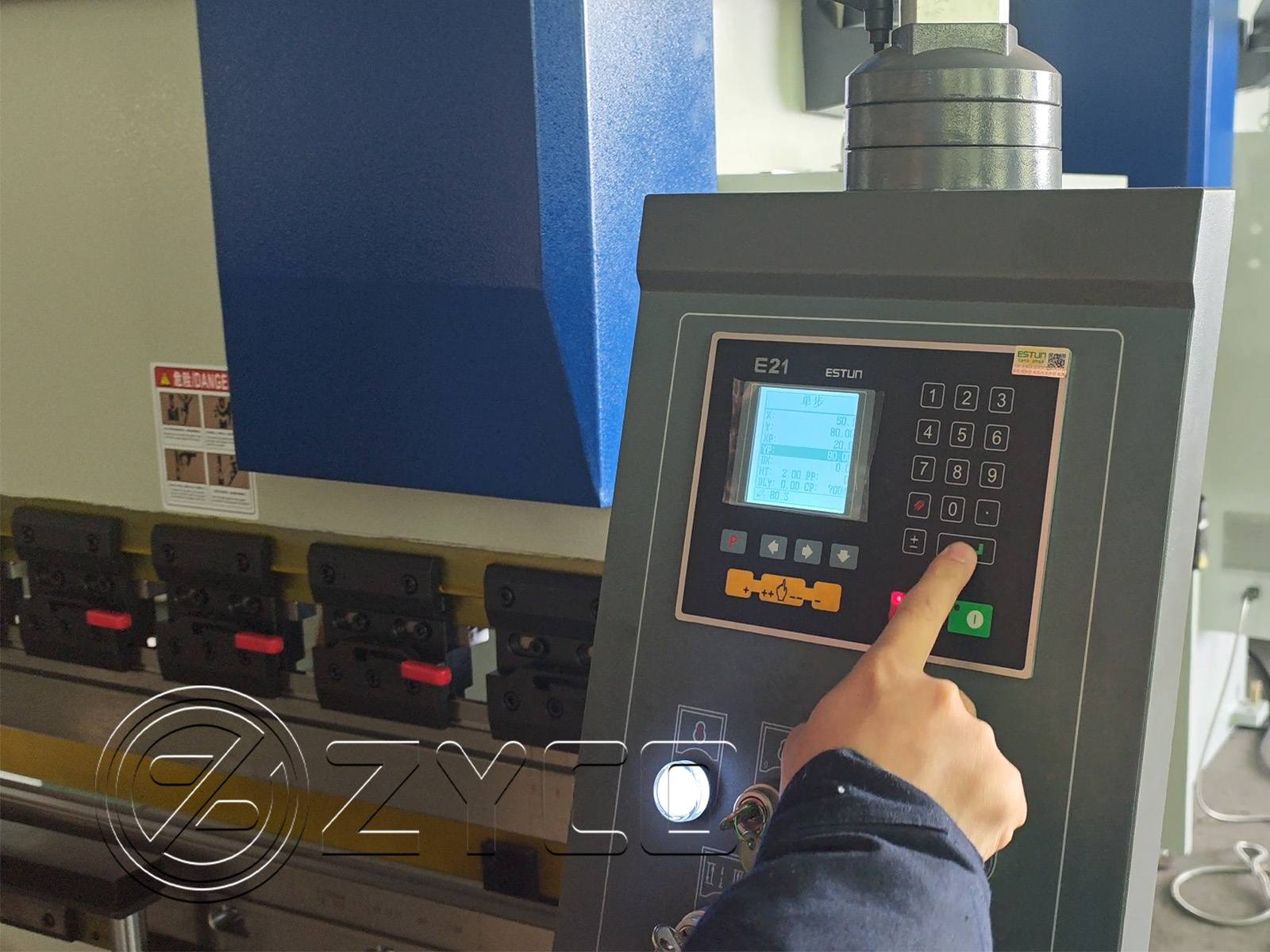
2. CNC system: It is recommended to use well-known brands (such as DELEM, CYBELEC, ESTUN, EASYCAT, etc.), which support multi-step programming and angle correction, making operation more convenient;


hydraulic sheet metal brake 


3. Back gauge accuracy: Select a machine with a repeat positioning accuracy of ≤0.02mm to ensure consistency during batch processing.


Pitfall 3: Only looking at the price of the equipment and ignoring the manufacturer's "hidden services"


In foreign trade procurement, price is indeed an important factor, but "low-priced equipment" is often accompanied by a lack of service. A customer once purchased a bending machine from an informal channel. After the equipment arrived, it was found that the installation drawings were missing. When the manufacturer was contacted, no technical support was provided. As a result, the equipment was idle for half a month before it was barely put into use. What’s worse is that when mold wear problems arise later, even suitable spare parts are difficult to buy.


ZYCO reminds you: When selecting a machine, be sure to consider the manufacturer's service capabilities. Legitimate manufacturers offer these "hidden guarantees":

- A minimum one-year warranty with a clear policy on replacement parts;

- A comprehensive after-sales network that responds to repair requests within 48 hours;

- Custom molds, fixtures, and other supporting equipment can be provided based on your product.


Pitfall 4: Confusing the "model type" and choosing the wrong device for the application scenario


Bending machines are mainly divided into: hydraulic bending machines, pure electric bending machines, mechanical bending machines (old-style), etc. The applicable scenarios of different models are obviously different. If the wrong model is selected, it will not only affect production efficiency, but may also shorten the service life due to improper equipment load.

Hydraulic bending machine

It is currently the most widely used and is divided into types such as electro-hydraulic synchronization and torsional shaft synchronization. Its characteristics include mature structure and strong power, making it suitable for processing medium and thick plates and large workpieces, and it is particularly widely used in industries such as steel structure and construction machinery.

Pure electric bending machine(Servo electric bending machine)

It adopts all-electric servo drive, does not require hydraulic oil, is more energy-saving and environmentally friendly, has extremely high bending precision and low maintenance cost. It's particularly well-suited for industries requiring high precision and efficiency, such as electronic equipment housings, precision instrument brackets, and control cabinet panels.

mechanical bending machines (old-style)

It relies on mechanical transmission (such as clutch and crank) to achieve action and is a common bending equipment in the early days. Due to insufficient precision and safety, it has now been gradually replaced by hydraulic and pure electric bending machines, but it is still available in some small sheet metal workshops.


For example:

If you primarily process stainless steel kitchenware (thin materials with high precision requirements), a pure electric bending machine is more suitable.

If you need to process large steel structures (thick plates with long bend lengths), a hydraulic bending machine is the best choice.

mechanical bending machine are now more commonly used for small-scale production with limited budgets and less demanding process requirements.


ZYCO selection tips: 3 steps to lock the best bending machine for you


1. Make a list: Organize the major workpieces processed in the past three years, noting the maximum thickness, material, bend length, and precision requirements. Clarify your product upgrade plan for the next one to two years.

2. Compare: Send your requirements list to two or three reputable manufacturers, requesting detailed technical solutions and quotes. Focus on comparing precision configurations and service terms, rather than simply comparing prices.

3. See the actual machine: If conditions permit, visit the manufacturer's factory to observe the equipment being tested, and even bring sample parts for on-site testing.


Model selection is a process of "tailoring". There is no best bending machine, only the bending machine that suits you best. If you are confused when selecting a model, ZYCO's technical team can provide you with a one-on-one selection plan free of charge, and follow up the entire process from demand analysis to equipment implementation to help you avoid all selection minefields.


Finally, you are welcome to leave a message in the comment area about your processing needs, or contact our customer service directly to let professionals do professional things and make each of your equipment a "weapon" for increasing production efficiency!

Five practical ways to improve bending efficiency

2025-10-16

In sheet metal processing production, the bending process is often one of the key links that determines delivery time and cost. As the market's requirements for delivery speed and product precision continue to increase, how to improve bending efficiency without sacrificing quality has become a core issue of concern to many manufacturing companies. Combining our years of customer experience and equipment optimization practices, the following five methods can effectively help companies improve bending efficiency and reduce production costs.


1. Reasonably plan the process flow to reduce repeated positioning

In bending production, many factories tend to overlook the importance of process sequence. By rationally planning the bending sequence during the programming phase and reducing multiple turns and repeated positioning of the workpiece, the operation time can be significantly shortened.

For example, concentrating multiple bending sections in one positioning process not only improves efficiency but also maintains angle consistency. In addition, modern CNC systems usually have automatic process optimization functions, which can automatically plan the optimal bending path according to the shape of the part, greatly reducing manual intervention.


hydraulic press brake


2. Use the quick mold change system to save mold change time

For orders with multiple varieties and small batches, frequent mold changes are an "invisible killer" of efficiency. Traditional mold changing methods often take more than ten minutes or even longer, but with the use of a rapid mold clamping system or automatic mold loading device, the mold changing time can be shortened to less than a few minutes.

Combined with the modular mold design, it can not only quickly switch commonly used angle molds, but also reduce loading and unloading errors and ensure bending accuracy. For companies with highly variable orders, this is one of the most direct and practical ways to improve efficiency.


3. Introduce pure electric or electro-hydraulic servo bending machines to improve processing rhythm

Compared with traditional hydraulic bending machines, pure electric bending machines and electro-hydraulic servo bending machines have more advantages in response speed and repeat positioning accuracy.

The pure electric drive system can achieve extremely fast slider return speed and stable bending rhythm, which can increase the production cycle by 20%-40%. At the same time, due to the simplified structure and lower maintenance requirements, the equipment utilization rate is significantly improved.

In terms of energy saving, the energy consumption of pure electric bending machines is about 30% lower than that of hydraulic presses. For factories that run for a long time, this is a considerable long-term benefit.


4. Optimize programming and bending compensation to reduce rework rate

Bending efficiency is not only reflected in speed, but also in the first-time pass rate.

By using offline programming software to perform unfolding calculations, bending compensation, and interference detection in advance, on-site trial and error can be avoided. Combined with an intelligent control system, the press brake automatically adjusts bending force and angle compensation based on plate thickness, material, and V-groove width, ensuring every bend is precise.

Reducing the number of trial folds and avoiding rework not only saves time but also significantly reduces material waste.


5. Training and standardized operations to improve overall efficiency

Even the most advanced equipment requires skilled operators. Establishing standardized operating procedures, bending process database and angle correction templates allows different employees to quickly get started and maintain a stable processing rhythm.

In addition, regular training of operators in programming skills and process awareness can also continuously improve production efficiency. For example, some skilled technicians can reduce single-piece processing time by 2-3 seconds by optimizing their loading posture and adjusting the backgauge speed. This improvement is highly effective in mass production.


summary

Improving bending efficiency isn't achieved overnight; it requires systematic optimization from process planning, equipment selection, to personnel training.

In the fierce competition in the manufacturing industry, factories that can perform bending processes quickly and accurately often have greater delivery capabilities and market advantages. Through the above five practical methods, enterprises can not only improve the production rhythm, but also find the best balance between quality stability and cost control.


At ZYCO, we understand that every sheet metal fabricator's production needs are unique.
To help customers further improve bending efficiency, we provide free bending sequence optimization solutions for all customers who place orders. Our professional technical team will analyze and plan based on your part drawings to help you reduce unnecessary positioning times and optimize the process sequence, thereby saving time and materials in actual production.


cnc press brake machine 


This is not only an equipment purchase, but also an upgrade of productivity. Choose ZYCO and make bending smarter and more efficient.


Why is your bending accuracy always a little off? Master these tips!

2025-10-16

In the field of metal processing, bending accuracy is one of the key indicators to measure product quality. Many practitioners often encounter this dilemma: even though the operating procedures appear correct, the resulting workpiece accuracy may be slightly off, affecting subsequent assembly or product quality. Today, let’s talk about the things that affect bending accuracy and share some practical tips to help you solve this problem.


1. Material factors: choosing the right material is the basis

The properties of the material have a direct impact on the bending accuracy. Metals of different materials have different properties such as ductility and tensile strength. For example, for stainless steel and ordinary carbon steel of the same thickness, the springback rate of stainless steel is relatively higher. If stainless steel is processed according to the bending parameters of carbon steel, the accuracy will naturally deviate.

Therefore, before bending, you must fully understand the characteristics of the material. For materials with high springback rates, the bending angle can be adjusted appropriately to reserve space for springback. At the same time, ensure that the material surface is flat and free of scratches or impurities. These seemingly minor defects can lead to uneven stress distribution during the bending process, thereby affecting accuracy.


Types of metal sheets

Ductility

Tensile strength

Q235B ordinary carbon steel plate

21-26

375-500

Q355B high strength carbon steel plate

17-22

470-630

304 stainless steel

40-60

515-720

430 stainless steel

20-25

450-600

5052-H32 aluminum plate

18-22

230-270

6061-T6 aluminum plate

8-12

276-310


2. Equipment debugging: details determine success or failure

The debugging of the bending machine is an important part of ensuring accuracy. Many accuracy problems are caused by inadequate equipment debugging.


(1) Mold installation and alignment

The mold is the component that comes into direct contact with the workpiece for bending, so precise alignment of its installation is crucial. If there is an offset between the upper and lower dies, even a very small deviation, after multiple bending cycles, the accumulated error will greatly reduce the accuracy. When installing the mold, carefully align it using specialized tools to ensure that the mold's centerline aligns with the press brake's worktable centerline. The mold surface must be kept clean to prevent foreign matter from causing a loose fit.


hydraulic press brake


(2) Pressure and speed settings

Improperly setting the pressure and speed parameters of the press brake can also affect accuracy. Too little pressure prevents the material from being fully bent, leading to springback. Too much pressure can cause excessive deformation and even damage the mold. In terms of speed, too fast a bending speed will cause the material to generate greater inertia during the bending process, affecting the accuracy of the bending angle. The appropriate combination of pressure and speed parameters should be found through multiple tests based on factors such as material thickness, material, and bending angle.


(3) Selection of the lower die V-mouth and calibration of the slider parallelism
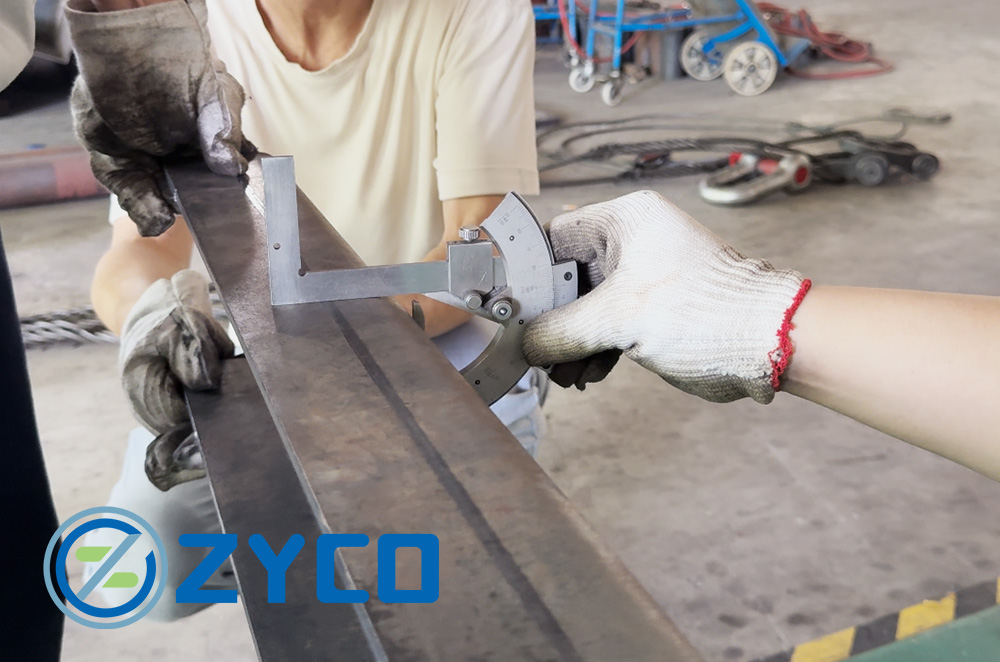
The slider gap and lower die V-mouth selection of the bending machine will also affect the accuracy. For example, if the V-gap is too small, the sheet metal can be easily crushed and the angle can be "over-bent" due to excessive force. If it is too large, the sheet metal will not fit properly and the angle will rebound beyond the specified value after bending. There is also the parallelism of the slider. If it has not been calibrated for a long time, the gap on the left is 1mm and the gap on the right is 1.2mm. The left and right angles of the folded workpiece can differ by more than 1°. It may not be obvious to the naked eye, but you will find that the holes do not match during assembly.


3. Operation skills: Standard operation is the key

The operator's operating techniques and habits will also affect the bending accuracy.


(1) Workpiece positioning must be accurate

When placing the workpiece for bending, it is necessary to ensure that the workpiece is positioned accurately. The workpiece can be firmly fixed in the correct position with the help of the positioning device on the bending machine or by using auxiliary fixtures to prevent the workpiece from shifting during the bending process. For workpieces with complex shapes, it is even more important to carefully determine the positioning points to ensure that the benchmarks for each bend are consistent.


china press brake machine manufacturers


(2) Order of step-by-step bending

When the workpiece needs to be bent multiple times, the order of bending is very important. An incorrect bending sequence can cause interference from previously bent sections during subsequent bending, affecting accuracy. Generally speaking, the principle of working from the outside in, from simple to complex, should be followed: first complete the sections that have the least impact on subsequent bending, then gradually proceed to more complex bending operations.


Aluminum sheet cutting machine 


4. Daily maintenance: Equipment maintenance is essential

Daily maintenance of the bending machine is the premise for ensuring its long-term stable and high-precision operation. The equipment should be cleaned and lubricated regularly, and the wear of each component should be checked, such as whether the cutting edge of the mold is worn, whether the transmission components are loose, etc. Timely replacement of severely worn parts and tightening of loose parts can effectively avoid precision problems caused by equipment failure or component aging.

In short, to improve bending accuracy, it is necessary to comprehensively consider multiple aspects, including materials, equipment debugging, operating skills, and daily maintenance. Paying attention to every detail and strictly following the specifications for operating and maintaining the equipment can keep the bending accuracy at an ideal state and produce high-quality metal processing products.

hydraulic cnc bending machine 

Chinese Valentine's Day-The Qixi Festival

2025-10-14

Tomorrow July, 7th Chinese Calendar will be a romantic day for Chinese people,the Chinese Qixi Festival, also known as the Double Seventh Festival, is a celestial celebration of love and romance that transcends the boundaries of time and space. A tale as old as time, it originates from the myth of the Cowherd and the Weaver Girl, star-crossed lovers separated by the Milky Way and allowed to reunite once a year on the seventh day of the seventh lunar month.

On this auspicious day, couples express their love for each other through heartfelt gestures, gifts, and prayers for lasting happiness and prosperity. The night sky is adorned with the soft glow of lanterns and the twinkling of stars, as whispers of love and longing mingle with the gentle breeze.

The Qixi Festival is a time of reflection and renewal, a reminder that love knows no bounds and can conquer even the most challenging of obstacles. It is a celebration of the enduring power of love, a testament to the human spirit's capacity for resilience and hope.

As we gaze upon the heavens and marvel at the beauty of the universe, let us take a moment to cherish the love in our hearts and the connections that bind us to one another. For in love, we find solace, strength, and a glimpse of the divine that unites us all in a tapestry of dreams and desires.

May the Qixi Festival inspire us to reach for the stars and embrace the magic of love in all its forms. Let us honor the legacy of the Cowherd and the Weaver Girl, and celebrate the eternal bond that unites us in this vast and wondrous world.


The importance of forklift lights

2025-10-14

            Regardless of their job, every employee must follow all precautions. Workplace safety may refer to the correct operation of a machine or vehicle. Forklifts are commonly used in warehouses, production halls, sorting plants, logistics centers and large stores. Forklifts are constructed to enable heavy loads to be transported over short distances. Forklifts significantly impact the efficiency and effectiveness of employee activities.

          It turns out that more than 30% of the most serious workplace accidents involve machines. Visibility plays a big role in this. Forklift operators are aware of the problem. Before a forklift operator starts working, he must ensure that he can see the machine's surroundings perfectly and is clear enough in the workplace.

          In accordance with applicable standards, forklifts must be equipped with a lighting system. Proper lighting is enough to keep employees safe while working. The best solution is to install LED or halogen lights on the forklift or overhead guard. This way, there is ample lighting area in front of and around the forklift. This type of truck sometimes works in dark places. Lack of proper lighting and strong beams are directly related to risks in the workplace.

Mandatory forklift lights

Forklifts may be used on public roads. Of course, the operator must obey traffic rules. If you want your forklift to become an active participant in road traffic, it must meet a number of requirements. Firstly, a license plate with a license plate light is mandatory. Proper lighting is an important piece of equipment for your machine.

Sometimes, a moment of negligence is enough to cause tragedy in the workplace. Therefore, it is recommended to equip forklifts with basic and additional lights. The lighting system then ensures full visibility of the operator and those in the vicinity of the forklift.

The world witnessed history today-93 Parade

2025-10-14

On September 3rd,2025, the majestic display of military prowess and national pride took center stage during the grand parade in the heart of the capital. The rhythmic beats of marching bands filled the air, while the precision of soldiers' movements mesmerized onlookers. The gleaming uniforms and polished weaponry reflected the dedication and discipline of the armed forces, showcasing their unwavering commitment to safeguarding the nation.

As the sun illuminated the rows of soldiers, each step forward symbolized a legacy of honor and sacrifice. The parade ground became a canvas of history, where heroes of the past stood in silent salute to the heroes of today. Spectators from all walks of life marveled at the seamless coordination and seamless unity displayed by the troops, embodying the spirit of camaraderie and solidarity.

Amidst the clamor of cheers and applause, the parade also served as a poignant reminder of the sacrifices made by those who defend the nation's sovereignty. Their unwavering courage and valor, etched in every step taken, echoed through the hearts of the audience, igniting a sense of pride and gratitude for the defenders of the realm.

The resplendent display of military might was not just a demonstration of power, but a testament to the enduring spirit of resilience and determination that defines the nation. As the last echoes of the marching bands faded into the distance, the message was clear - united in purpose, unwavering in resolve, the nation stood firm, a beacon of strength and unity in a world of uncertainty.

In the afterglow of the parade, as the nation reflected on the spectacle witnessed, one thing was certain - the spirit of unity and patriotism that resonated through the parade ground would endure long after the last soldier had marched away. It was a day of celebration, of remembrance, and of unity, a day when the nation stood together, proud and resolute, in the face of whatever challenges may come its way.

From Piston to Flow Understanding Reciprocating Pump in One Article

2025-09-26

Reciprocating pump is fluid transfer device that directly supply energy to liquid in the form of pressure energy through the reciprocating motion of pistons/plungers within cylinders. They are the most widely used positive displacement pumps in industrial applications, such as mud pump, pressure test pump, high pressure pump, cementing pump, and injection pump. Whether in oilfield water injection, high pressure cleaning, or drilling platforms, they play an extremely important role and hold an irreplaceable position. But have you ever wondered how a simple reciprocating motion generates stable pressure energy to drive fluid conveyance? Below, we'll introduce the most fundamental reciprocating motion, gradually guiding you toward a thorough understanding of the reciprocating pump's operating principle.


Core Components of Reciprocating Pump

1. Power end: Crankshaft, connecting rod, crosshead, intermediate rod, etc.;

2. Hydraulic end: Piston/plunger, piston seal/plunger seal, shock-resistant pressure gauge, safety valve, etc.;

3. Control valves: Suction valve, discharge valve (typically check valves);

4. Others: Lubrication system, cooling system, etc.

Working Principle of Reciprocating Pumps

The electric motor drives the pump's crankshaft to rotate via a large and small pulley and a narrow belt. The crankshaft drives the connecting rod, piston or plunger to perform reciprocating motion. When the piston or plunger moves backward, the inlet valve opens, allowing liquid to enter the pump body until the piston or plunger reaches its final position (crankshaft rotates 180°), concluding the suction process. The piston or plunger then begins its forward stroke. During this phase, the liquid within the pump's valve chamber is compressed, increasing pressure. Consequently, the inlet valve closes while the outlet valve opens, allowing the liquid to be expelled through the outlet valve by the piston or plunger.

Materials of Reciprocating Pumps

1. Power-end components are predominantly castings, primarily made of materials such as QT450 and QT600.

2. Hydraulic-end components are flow-through parts requiring selection based on customer-provided parameters:

  • Medium characteristics: medium name, specific gravity, viscosity, corrosiveness, toxicity, etc.
  • lParticle diameter and content of solids in the medium.
  • lMedium temperature: (°C)
  • lRequired flow rate
  • lPressure: suction tank pressure, discharge tank pressure.

3. Commonly used materials include but are not limited to the following:

45#, 304, 316L, 2205, 17-4PH, 0Cr17Ni2.

Reciprocating Pump Working Cycle

1. Suction Stroke

  • lDuring the suction stroke, the piston or plunger moves backward, creating a low-pressure zone within the cylinder.
  • lThe inlet valve opens due to external fluid pressure, drawing liquid into the pump body.
  • lAs the crankshaft continues to rotate, the piston or plunger gradually moves to its final position, completing the entire suction process.

The key to this stage lies in ensuring the sealing integrity of the inlet valve to prevent air ingress or liquid backflow, thereby guaranteeing the pump's operational efficiency and stability.

2. Discharge Stroke

  • lWhen the piston or plunger begins to move forward, the fluid inside the cylinder is compressed, causing the pressure to rise rapidly.
  • lThe inlet valve closes, and the outlet valve opens under pressure. Liquid is expelled from the pump body through the outlet valve and enters the delivery pipeline.

This process requires the drain valve to possess excellent pressure resistance and rapid response capabilities to accommodate frequent opening and closing demands under high pressure conditions. Efficient operation throughout the entire working cycle relies on the precise coordination between all components, thereby ensuring continuous and stable fluid delivery.

Advantages of Reciprocating Pumps

1. Compatible with virtually any fluid;

2. High efficiency, exceeding 90%;

3. Adaptable to diverse operating conditions;

4. Extended service life;

5. Simple structure for easy maintenance and servicing;

Flow Rate and Pressure of Reciprocating Pumps

1. Flow rate is determined by the piston or plunger, stroke length, and rotational speed.

2. Pressure is determined by the pump's power, valve sealing integrity, and discharge resistance.

Reciprocating pumps are a type of positive displacement pump, to be, that achieves fluid conveyance through periodic changes in the volume of its working chamber. The mechanical energy from the prime mover is directly converted by the pump into pressure energy for the conveyed fluid. The pump's flow rate depends solely on the change in working chamber volume and the frequency of this change per unit time, and is (theoretically) independent of the discharge pressure.

Elephant Machinery specializes in reciprocating piston pump and plunger pump. Designed in compliance with relevant national standards such as GB/T9234-2018, as well as international standards including API 674 Third Edition and ISO 13710:2004, our pumps meet flow and pressure requirements across diverse application fields. We welcome inquiries from professionals in all industries at any time and will provide you with the most professional solutions!

Tags