头部背景图片

The "quality guardian" of the textile industry ICI Mace Snag Tester

2025-07-17

In the textile industry, fabric quality is of vital importance, so fabric testing requires the assistance of a series of testing instruments. As a professional testing instrument, ICI Mace Snag Tester has gradually become a powerful assistant for many textile companies and laboratories.


What is the Mace Snagging Tester?

The ICI Mace Snag Tester is an instrument designed to determine the tendency of fabrics to snag during normal wear. It is suitable for woven and knitted fabrics made of textured yarn, non-textured yarn, spun yarn, etc. It evaluates the anti-snagging performance of fabrics by simulating the snag conditions that fabrics may encounter in actual use.


Working principle and structure

The working principle of ICI Mace Snag Tester is to place a nail hammer suspended by a chain around the guide rod and put it on the surface of the sample on the rotating drum. After the rotating drum rotates a certain number of times at a constant speed, the sample is removed and rated against the rating chart in the rating box. The degree of snagging is evaluated according to the visual rating standard from level 5 (no obvious snagging) to level 1 (severe snagging).


Standards

China ICI Snagging Equipment complies with many international and domestic standards, such as ASTM D3939, GB/T 11047, JIS L1058, etc.


Advantages and Features

• Efficient multi-station design: 2, 4 or customized stations can be set according to needs, and multiple samples can be tested at the same time, which greatly improves the test efficiency, saves time and labor costs, and is very suitable for large-scale production enterprises and professional testing laboratories.

• Accurate simulation of real wearing conditions: It can accurately simulate the snagging scenes that fabrics may encounter during daily wear and use, making the test results closer to actual use and helping companies accurately evaluate the quality and durability of products.

• Easy to operate: The operation of the instrument is relatively simple, and the interface design is friendly, which is easy for users and even novices to use.

• Wide applicability: It is suitable for all kinds of woven and knitted fabrics, whether it is made of textured yarn, non-textured yarn or staple yarn, it can perform effective snagging tests.


ICI Mace Snag Tester is an important testing instrument in the textile industry, providing reliable fabric snagging testing solutions for textile enterprises and laboratories. It not only helps enterprises improve product quality and enhance market competitiveness, but also provides consumers with better quality and more durable textile products.


AVENO recommended product:
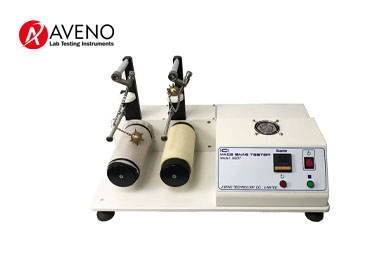
ICI Mace Snag Tester AG07

Mace Snagging Tester


Any demand can be referred to us!

Sales Dept Tel: +86 15280858852

Email: sales@avenotester.com

Skype: sales@avenotester.com

Web: www.avenotester.com
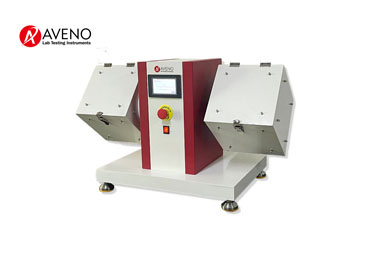


Unveiling the Mystery of the ICI Pilling and Snagging Tester

2025-07-17

In the textile industry, product quality is the foundation of an enterprise. When consumers buy textiles, in addition to paying attention to style and color, their trust in quality mainly depends on the durability and appearance retention of the product. Some clothes will pill after being worn a few times, while some will not lose their shape even after being worn for several years. Therefore, pilling can be said to be the "appearance killer" of textiles. Pilling is one of the important factors affecting the quality and appearance of textiles. The ICI pilling tester can help companies control the pilling performance of textiles.


1. What is the ICI Pilling Tester?

The ICI Pilling Tester is a test device that is specialized in evaluating the pilling and fuzzing properties of textiles by simulating the external forces such as friction and rubbing that textiles are subjected to during actual use.


2. Wide range of applications

ICI pilling tester has a very wide range of applications, covering all kinds of textile products, such as textiles, clothing, furniture fabrics, etc., which have certain requirements for pilling performance. ICI pilling tester can provide strong support for their quality control.


3. Aveno's ICI Pilling and Snagging Test Equipment is easy to operate and can observe data intuitively:

  • Convenient operation: ICI pilling tester uses a convenient test method, which greatly shortens the test time and improves the test efficiency. Under the premise of ensuring the accuracy of the test, it can quickly complete the test of a large number of samples, helping enterprises to grasp the product quality in time and speed up the production progress.
  • Intuitive and accurate data: The instrument can intuitively present parameter settings and test data on the screen interface, so that testers and enterprises can clearly understand the pilling degree of the fabric.


ICI Pilling tester for Fabric can help enterprises control product quality, help enterprises improve product quality, enhance consumers' trust in enterprises, and also protect consumers' rights and interests, so that consumers can buy high-quality textiles that meet standards. Therefore, for textile manufacturers, having a reliable and easy-to-operate ICI Pilling Tester is undoubtedly an important guarantee to gain an advantage in the fierce market competition.


AVENO recommended product:

ICI Pilling and Snagging Tester AG05

ICI Pilling and Snagging Tester

Any demand can be referred to us!

Sales Dept Tel: +86 15280858852

Email: sales@avenotester.com

Skype: sales@avenotester.com

Web: www.avenotester.com
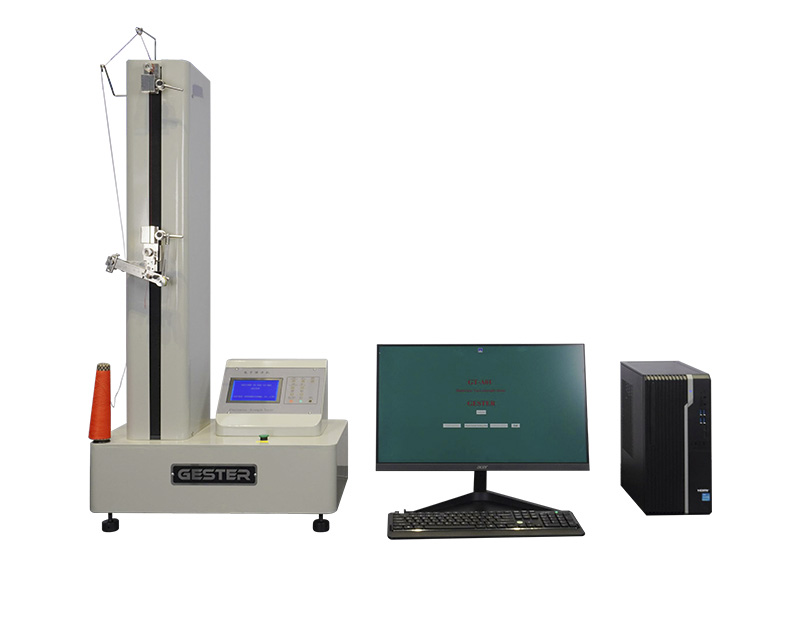

Enhance Yarn Strength Testing Efficiency GT-A01 Single-Yarn Strength Tester

2025-07-11
Enhance Yarn Strength Testing Efficiency: GT-A01 Single-Yarn Strength Tester

In the modern textile industry, the strength and elongation of yarns are critical performance indicators. The GT-A01 Single-Yarn Strength Tester is a high-precision instrument designed specifically to measure the breaking strength and elongation of single yarns. It is suitable for quality testing of various yarns. This article will provide an in-depth look at the application scenarios, main features, installation and operation methods, and the significance of this device in textile testing.


Single Yarn Strength Tester

Application


The GT-A01 Single-Yarn Strength Tester is primarily used to determine the breaking strength and elongation of single yarns, accurately measuring breaking load and extension within the range of 5000 centi-grams force. The device features electronic operation combined with mechanical action and is equipped with scales of 0-500cg force and 0-5000cg force, with the extension scale graduated in millimeters and as a percentage of the standard test length (500mm). This device is ideal for textile testing laboratories and quality control departments of manufacturing enterprises.

Main Features


The GT-A01 Single Yarn Strength Tester boasts the following prominent features:

1. Dynamic Data Sampling Frequency Over 800Hz: High-frequency sampling ensures peak value capture, providing the most accurate representation of textile material properties.
2. Sharp Blue LCD Panel: The operator simply selects the required test module and standard, with each button's graphical icon clearly illustrating its current function. This greatly simplifies the screen by only displaying commands relevant to the current task.
3. High-Performance MCU and A/D Converter: Equipped with Mitsubishi 16-bit MCU and A/D converter, offering excellent anti-interference performance and rapid data transfer.
4. Real-Time Data Display: Ongoing test data (e.g., mean square value, average, max, min, etc.) is displayed in real-time.
5. Multiple Force Unit Switching: The force unit can be freely switched between N, Kgf, 1b, in, and cN.
6. Comprehensive Report and Diagram Handling: Test reports and diagrams can be processed by a computer and printed out.
7. Bidirectional Control: Operators can use the LCD control panel to operate the unit and print testing data without a PC.
8. Data Export and Analysis: Data can be exported to Excel for detailed analysis, and data curves can be overlaid for comparison.

Installation and Operation

Leveling
Use a spirit level to check the levelness of the four corners of the machine, and use a spanner to adjust any uneven corners.

Installation Steps
1. Connect the data cable, confirm the power supply is AC220V, plug in the power cable, and turn on the power switch.
2. Turn on the computer and open the testing software.

Operation Steps
1. Click "Enter new test" and input the relevant test information and parameters.
2. Click "Next Step" to enter the testing interface. The lower fixture will automatically search for the gauge distance.
3. Install the sample: Refer to the following steps to install the sample and select the appropriate tension weight based on yarn density.
4. Click "Start" or press the green "START" button to begin the test. 5. After the test is completed, the results will be displayed. Repeat the test multiple times using the same method.
6. Observe the data for each test in the "Single test data" section of the software.
7. Click "Statistical value" to process the data.
8. Click "Data Saving" in the statistics interface to save the data.
9. Click "Printing" to export the PDF report file.
10. Click "Browsing" to review historical data.

Note
The control panel test is for demonstration purposes only and is not recommended because the data needs to be printed on a specified printer.

The GT-A01 Yarn Tensile Strength Tester, with its high precision and efficiency, along with its user-friendly interface and extensive functionality, provides a powerful solution for yarn performance testing in textile enterprises. With comprehensive and accurate test data, this device helps companies improve yarn quality control, ensuring product stability and consistency, thereby gaining a competitive edge in the market.

Choose the ISO2062 Single Yarn Testing Machine to make your textile testing more precise and efficient!

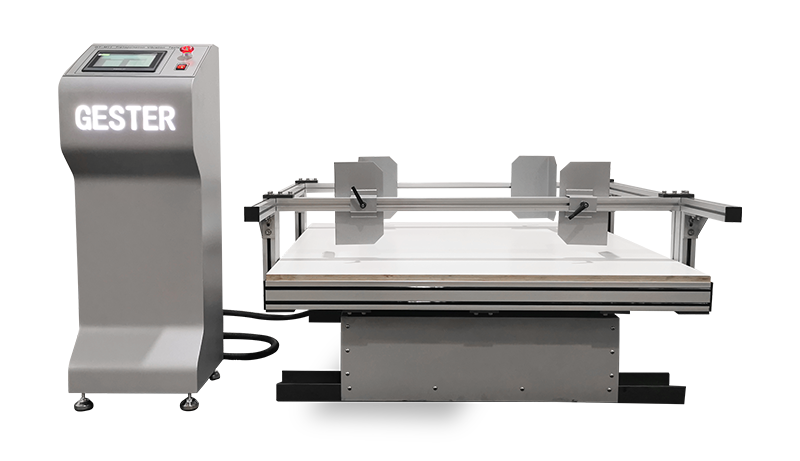
What is The Transportation Vibration Tester GT-M11

2025-07-11
What is The Transportation Vibration Tester GT-M11

Ensuring the integrity and safety of goods during logistics and transportation is crucial. Potential hazards such as bumpy roads, sharp turns, sudden stops, and uneven terrain are common. These conditions can cause product damage, affecting their quality and usability. Therefore, the Transportation Vibration Tester GT-M11 plays an important role by simulating and testing these adverse conditions, enhancing the durability of packaging and products.

Transportation Vibration Tester GT-M11


Introduction to Transportation Vibration Tester GT-M11


The Transportation Vibration Tester GT-M11 can reproduce various stresses and strains that products endure during transportation. By simulating conditions such as vibration, impact, and compression, the Transportation Vibration Tester GT-M11 helps optimize packaging solutions, thereby reducing the risk of product damage and improving customer satisfaction.

Applications and Importance


The Transportation Vibration Tester is widely applicable and can be used in various industries, especially for:

1. Toys: Ensuring that delicate components remain intact and functional.
2. Electronics: Testing the resilience of devices against shocks and vibrations.
3. Furniture: Confirming that assemblies withstand transportation without damage.
4. Gifts and Ceramics: Ensuring that fragile items arrive in perfect condition.
5. Communications Equipment: Maintaining the functionality of sensitive instruments.
6. Automotive Parts: Testing the durability of parts under vibrational and impact conditions.
By using the transportation simulation vibration tester, manufacturers can further improve the quality of goods and their packaging, thereby reducing returns and enhancing their reputation for quality.

Compliance with Standards


The transportation simulation vibration tester complies with internationally recognized testing standards, including ISTA and ASTM D999. These standards ensure that the tests conducted are rigorous and reliable, providing a high level of assurance in the results.

Key Features of the transportation simulation vibration tester


The Transportation Vibration Tester GT-M11 boasts numerous features that make it a top choice for vibration testing:

  • Buffer Start Function: This feature minimizes the initial shock to the equipment and the sample, ensuring a smooth start and reducing wear and tear.
  • Low Noise Operation: The transportation simulation vibration tester operates quietly, making it suitable for various settings without causing significant noise pollution.
  • Digital Vibration Frequency Display: The digital meter provides precise readings of the vibration frequency, allowing for accurate control and monitoring.
  • Synchronization Silencing Belt Transmission: This feature ensures smooth and quiet operation, enhancing the longevity of the machine.
  • Easy Sample Clamping: The guide rail type clamping system is user-friendly and safe, allowing for quick and secure sample setup.
  • Robust Base: The transportation simulation vibration tester’s base is made of heavy channel steel with vibration damping pads, providing stability and eliminating the need for additional foot screws.
  • DC Motor Speed Regulation: The motor offers smooth operation and strong load capacity, ensuring consistent performance under various test conditions.
  • Rotary Vibration Testing: Also known as the "monkey type" vibration, this mode complies with European and American transportation standards, ensuring comprehensive testing.

Comprehensive Testing Solution


The Transportation Vibration Tester GT-M11 provides a comprehensive solution for testing and improving the durability of products during transit. By simulating various transportation conditions, it helps manufacturers enhance their packaging and product design, ensuring that goods reach their destination safely and intact.

Investing in the Transportation Vibration Tester GT-M11 is an investment in quality, reliability, and customer satisfaction. Its adherence to international standards and advanced features make it an indispensable tool for any manufacturer committed to delivering high-quality products. The transport simulation vibration tester is an essential tool for ensuring product durability and safety during transportation.

How to choose a high pressure water injection pump?

2025-07-11

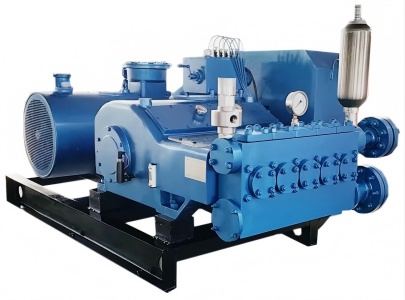
The key to ensuring safe, efficient, and economical water injection operations is to select a suitable high pressure water injection pump. When selecting a high pressure water injection pump, it is necessary to consider a variety of factors, such as flow rate, pressure, operating environment, and medium.


  • Flow rate and pressure: The two important parameters of a high pressure water injection pump are output flow rate and pressure. It is necessary to determine the flow rate and pressure range required for water injection operations to avoid selecting a pump that is too large, which would result in waste, or too small, which would fail to meet water injection requirements.


  • Water injection requirements: It is necessary to clearly define the water injection requirements, such as the characteristics of the reservoir, the target production rate of the reservoir, and the water injection medium. Different water injection requirements may require different types of high pressure water injection pumps.


  • Power and power supply: It is necessary to consider the power supply requirements of the water injection pump to ensure efficient and stable operation. Additionally, select an appropriate motor or engine based on the power of the water injection pump.


  • Water Injection Medium: It is necessary to thoroughly understand and analyze the water quality being injected, including whether it contains sand, is corrosive, or is high temperature, to select the appropriate pump material.


  • Durability and Stability: High pressure water injection pumps are designed for long-term heavy-duty operation, so their durability and stability are of utmost importance. Selecting pumps with stable performance, high quality materials, and robust construction is key to ensuring their long-term stable operation.


  • Maintenance and service: Understand the technical support and maintenance services available for the pump. Selecting a supplier with a good reputation that can provide timely technical support and after-sales service is the core factor in ensuring continuous equipment operation.


  • Intelligence: Prioritize intelligent pumps that offer unmanned operation, multi-terminal remote monitoring, and real-time data synchronization. (Elephant Injection Pumps feature an intelligent pump station system supporting remote start/stop, speed adjustment, data retrieval, automatic power-off alarms, and viewing of issue data.)

Finally, when selecting water injection equipment, we need to consider not only the purchase cost, but also the operating efficiency and stability of the pump.Elephant Machinery is a professional supplier of high pressure water injection pumps. With its extensive industry experience and expertise, it can provide customers with customized solutions. If you have any questions about high pressure water injection pumps, please feel free to contact us. We will provide you with the most optimized and economical solutions.

How to keep reciprocating pumps running properly in hot weather?

2025-07-11

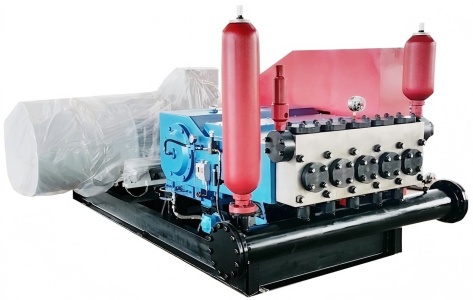
Friendly reminder: In recent days, temperatures have risen sharply, and high temperatures may lead to machine overheating, lubrication failure, seal failure, and other issues. In severe cases, it may even cause power outages or machine shutdowns. To ensure the normal operation of the reciprocating pump, the following measures will be taken:

1.Enhance Heat Dissipation
- Ensure the pump is well-ventilated during operation. If the ambient temperature is high, use ventilation equipment (fan) for cooling.
- Avoid direct sunlight exposure. When using a reciprocating pump outdoors, employ a sunshade (or canopy) to prevent direct sunlight.

2.Lubrication Maintenance
- Replace high-temperature lubricating oil to prevent viscosity reduction under high temperatures.
- Increase the frequency of lubricant changes. In high-temperature climates, lubricants may degrade and oxidize. Check for impurities in the oil and observe if its color changes. Replace immediately if any changes are detected.

3.Motor Protection
- Regularly inspect the cooling system of the motor to ensure proper functioning and prevent burnout due to power failure.

4.Seal Inspection
- Seals are vulnerable components in reciprocating pumps. High temperatures can accelerate their wear and shorten their service life. Regularly inspect the seals for wear and check for any leaks. Replace them promptly if any issues are detected.

5.Operator Training
- Enhance emergency training for operators to enable them to determine whether the pump is functioning normally based on factors such as motor noise, vibration, and smoke, and to master corresponding response measures.

The measures mentioned above can effectively mitigate the impact of high temperatures on reciprocating pumps. We urge all customers to take such situations seriously and jointly prioritize on-site safety and the stable operation of equipment.Additionally, our Elephant reciprocating pumps can be optionally equipped with an intelligent unattended pump station system. This system supports unmanned operation, features temperature sensors for high-temperature early warning, enables multi-terminal remote monitoring, and ensures real-time data synchronization. Moreover, it offers remote start/stop, speed adjustment, data retrieval, automatic power-off, and alarm functions, significantly improving operational efficiency.
We welcome inquiries and purchases! Feel free to contact us!

How to Select the Right High/Low Temperature Servo Motor?

2025-07-04

Selecting a suitable high/low temperature servo motor requires a comprehensive consideration of environmental conditions, performance requirements, material compatibility, and system reliability. Below are the key steps and considerations:

1. Define Operating Environmental Conditions

Temperature Range: Confirm the minimum and maximum temperatures the motor must withstand (e.g., -40°C to +85°C), as well as the rate of temperature change.

Humidity, Dust, and Corrosiveness: High/low-temperature environments may involve additional factors (e.g., condensation, salt spray), requiring materials with appropriate protection ratings (IP rating).

Vibration and Shock: Mechanical strength may degrade under extreme temperatures, so the motor’s structural vibration resistance must be evaluated.

2. Key Performance Parameters

Torque and Speed:

At low temperatures, increased lubricant viscosity may raise starting torque, requiring additional margin.

At high temperatures, magnetic performance (e.g., permanent magnet demagnetization) may degrade, necessitating high-temperature-resistant materials (e.g., samarium-cobalt magnets).

Power Matching: To prevent overheating due to efficiency loss at high temperatures, calculate actual thermal dissipation under load.

Feedback System: Encoders or resolvers must operate reliably in extreme temperatures.

3. Materials and Structural Design

Temperature-Resistant Materials:

Housing: Aluminum alloy (lightweight) or stainless steel (corrosion-resistant).

Seals: Silicone or fluorocarbon rubber (resistant to low-temperature brittleness and high-temperature aging).

Lubricants: Fully synthetic grease (e.g., PTFE-based) suitable for a wide temperature range.

Thermal Management:

High-temperature environments: Enhance cooling (e.g., heat sinks, forced air cooling).

Low-temperature environments: Optional heating elements to prevent condensation.

4. Electrical Compatibility

Insulation Class: Select materials with at least Class F (155°C) or Class H (180°C) insulation.

Cables and Connectors: Use shielded cables resistant to high/low temperatures to prevent cracking or melting.

5. Brand and Certifications

Special Certifications: Such as military (MIL-STD), automotive (AEC-Q200), or aerospace standards.

Supplier Experience: Prioritize vendors with proven experience in high/low-temperature motor applications.

6. Testing and Validation

Environmental Simulation Testing: Test motor start-stop and load performance in extreme temperatures using thermal chambers.

Lifetime Testing: Evaluate performance degradation after long-term thermal cycling.

7. Cost and Maintenance

Total Cost of Ownership: Higher-spec motors may cost more but reduce downtime losses.

Maintenance Convenience: Modular designs simplify seal or bearing replacement.

Recommended Selection Process

Define Requirements: Environmental parameters, load curves, dynamic response needs.

Preliminary Model Selection: Screen motors based on torque-speed curves.

Field Testing: Conduct small-batch trials and monitor performance.

Common Pitfalls

Ignoring Startup Characteristics: Locked-rotor current may surge at low temperatures, requiring protective circuitry.

Over-Reliance on Spec Sheet Data: Manufacturer data is often measured under ideal conditions; real-world derating is necessary.

By following a systematic selection process, high/low-temperature servo motors can achieve stable operation in extreme environments, balancing performance and reliability.


Zhonggu Weike Power Technology Co., Ltd. is a National Specialized, Sophisticated, and Innovative Enterprise specializing in the R&D, manufacturing, and application of special motors for harsh environments, including vacuum, high-temperature, cryogenic, and radiation conditions. Our products are widely used in aerospace, satellite communications, space observation, biomedical engineering, and genetic sample storage.

How Can Electric Motors Operate in a Vacuum Environment? Examples of applications

2025-07-04

With advancements in technology, the demand for electric motors operating in extreme environments has grown significantly. Among these, vacuum environments pose unique challenges for electric motors. This article explores how motors can function properly in a vacuum and introduces some typical application cases.


I. Special Requirements for Motors in a Vacuum Environment

A vacuum environment (typically defined as pressure below 1×10⁻⁵ Pa) affects motor operation in several ways:

Heat Dissipation Issues: The absence of air convection in a vacuum renders traditional cooling methods ineffective.

Material Outgassing: Certain materials release gases in a vacuum, contaminating the environment.

Lubrication Challenges: Conventional lubricants tend to evaporate or decompose in a vacuum.

Electrical Insulation Problems: The performance of insulating materials may change under vacuum conditions.

Thermal Expansion Differences: Variations in thermal expansion coefficients between materials become more pronounced with temperature changes.


II. Key Technologies for vacuum compatible motors

1. Special Heat Dissipation Designs

Use of high thermal conductivity materials (e.g., copper, aluminum) for housing

Design of heat-radiating fins to increase surface area for radiative cooling

Integration of heat pipes or liquid cooling systems (for high-power motors)


2. Selection of Vacuum-Compatible Materials

Use of low-outgassing materials (e.g., stainless steel, ceramics, specialty plastics)

Avoidance of high-outgassing materials like rubber and standard plastics

Selection of vacuum-compatible insulating materials (e.g., polyimide, PTFE)


3. Special Lubrication Systems

Use of solid lubricants (e.g., molybdenum disulfide, graphite)

Application of specialized vacuum-compatible greases

Design of self-lubricating bearing systems


4. Sealing Technologies

Use of metal seals or specialized elastomer seals

Design of multi-stage sealing systems

Consideration of thermal stress effects on seals


5. Special Electromagnetic Design

Optimized winding design to minimize heat generation

Consideration of corona discharge in a vacuum

Use of high-temperature-resistant electromagnetic materials


III. Typical Application Cases of Vacuum Motors

1. Aerospace Applications

Satellite Attitude Control Motors: Used for adjusting solar panels and Earth orientation.

Space Robotic Arm Drive Motors: Employed in the International Space Station and satellite servicing missions.

Rocket Propulsion System Valve Control Motors: Regulate fuel and oxidizer flow.


2. Semiconductor Manufacturing

Wafer Handling Robot Motors: Transport silicon wafers inside vacuum chambers.

Lithography Machine Precision Positioning Motors: Enable nanometer-level positioning accuracy.

Vacuum Deposition Equipment Rotary Motors: Ensure uniform coating deposition.


3. Scientific Research Equipment

Particle Accelerator Vacuum Pump Motors: Maintain ultra-high vacuum conditions.

Fusion Reactor Internal Drive Motors: Used in tokamak devices for various actuators.

Space Simulation Chamber Equipment Motors: Simulate space environments for testing on Earth.


4. Medical Devices

Proton Therapy System Gantry Motors: Precisely position patients in a vacuum environment.

Electron Microscope Stage Drive Motors: Enable nanometer-level sample movement.


5. Industrial Equipment

Vacuum Metallurgical Furnace Drive Motors: Handle materials in high-temperature vacuum conditions.

Vacuum Coating Production Line Conveyor Motors: Transport substrates in continuous production processes.


IV. Development Trends in Vacuum Motors

Higher Power Density: Deliver greater torque in limited spaces.

Longer Lifespan: Reduce maintenance needs, especially for space applications where repairs are difficult.

Smarter Control: Integrate sensors for condition monitoring and adaptive control.

New Material Applications: Use of advanced materials like carbon nanotubes and graphene.

Modular Design: Facilitate quick adaptation for different vacuum applications.


Conclusion

Motor technology for vacuum environments is a critical enabler for multiple high-tech industries. With advancements in materials science, thermal management, and precision manufacturing, the performance of vacuum motors will continue to improve, expanding their range of applications. In the future, vacuum motors will play an even more significant role in cutting-edge fields such as deep-space exploration, quantum technology, and next-generation semiconductor manufacturing.

Radiation-Resistant Stepper Motors Applications and Key Features

2025-07-04

Radiation Hardened Stepper Motors are specially designed for environments with ionizing radiation (e.g., X-rays, gamma rays, neutron radiation). These motors must maintain reliable operation under radiation exposure. Below are their primary applications and essential characteristics.

I. Typical Applications

Nuclear Industry & Power Plants

Nuclear reactors (control rod drives, valve adjustments, inspection equipment).

Nuclear waste handling systems (robotic arms, conveyor mechanisms).

Fusion experiments (e.g., precision positioning in tokamak devices).


Medical Radiation Environments

Radiotherapy equipment (e.g., collimator control in gamma knife or proton therapy systems).

Rotating mechanisms in CT/PET-CT imaging devices.


Aerospace & Deep Space Exploration

Satellite and space telescope adjustment mechanisms (exposed to cosmic rays).

Rover mobility and sampling systems (e.g., Mars/Moon exploration).


High-Energy Physics Experiments

Particle accelerators (e.g., beam control and detector positioning in CERN).


Military & Security Applications

Automated systems in nuclear submarines or weapons facilities.

Radiation-monitoring robots (e.g., post-Fukushima disaster response).


II. Key Features of Radiation-Hardened Motors

Radiation-Hardened Design

Materials: Radiation-resistant ceramics, specialty plastics, and stainless steel housing (avoiding degradable organics like rubber or epoxy).

Electronics: Radiation-hardened ICs (e.g., space-grade), opto-isolation, or simplified circuitry (reducing semiconductor reliance).


High Reliability

Certified for radiation hardening (Rad-Hard) to ensure performance stability under cumulative radiation doses.

Sealed construction or inert gas (e.g., nitrogen) filling to prevent contamination.


High-Temperature Resistance & Heat Dissipation

Efficient thermal management (e.g., metal housings, conductive coatings) for radiation-induced high temperatures.


Low Maintenance & Long Lifespan

Brushless designs or solid lubricants to avoid lubricant breakdown from radiation.


Electromagnetic Compatibility (EMC)

Shielding against electromagnetic interference (e.g., nuclear EMP) to prevent signal disruption.


Precision Control & Torque Stability

Maintains micro-stepping accuracy without step loss (critical for medical/industrial positioning).


III. Additional Notes

Difference from Standard Motors: Radiation-resistant variants are costlier and often custom-built.

Alternatives: In low-radiation settings, shielded standard motors may suffice for cost savings.

Ctrl-Motor has been engaged in the R&D, production and sales of vacuum motors, high and low temperature motors,reducers,etc for 12 years,The high and low temperature motors can be adapted to any extreme conditions from -196℃ to 300℃, and the vacuum degree can reach 10-7pa, we can provide 10^7Gy radiation protection and salt spray protection products. 

The Impact of High Temperature on Motor Performance and Countermeasures

2025-07-04

In modern industrial automation, motors serve as core driving components and are widely used in various equipment and systems. With continuous technological advancements, the performance requirements for motors have become increasingly stringent. For instance, in high-temperature environments, elevated temperatures can significantly affect motor performance, efficiency, and lifespan, as detailed below:

1. Reduced Efficiency

Increased Resistance: The resistance of motor windings (copper wires) rises with temperature, leading to higher copper losses (I²R) and reduced efficiency.

Changes in Iron Losses: High temperatures may exacerbate eddy current losses and hysteresis losses in the core (especially in permanent magnet motors), further decreasing efficiency.

2. Decreased Output Power

Thermal Limitations: Motors are typically designed based on rated temperatures. Under high temperatures, heat dissipation capacity declines, potentially forcing derated operation (reducing output power) to prevent overheating.

Demagnetization of Permanent Magnets (PMSMs): High temperatures can weaken the magnetic properties of permanent magnets, reducing magnetic field strength and consequently lowering torque and power output.

3. Accelerated Insulation Aging

Insulation Material Lifespan: High temperatures accelerate the aging of motor insulation materials (e.g., enameled wires, slot insulation). Empirical rules indicate that insulation life halves for every 10°C temperature increase (Arrhenius Law).

Breakdown Risk: Prolonged exposure to high temperatures may cause insulation cracking, leading to short circuits or ground faults.

4. Bearing and Lubrication Issues

Lubrication Failure: High temperatures reduce the viscosity or cause oxidation of lubricating grease, resulting in poor lubrication and increased bearing wear.

Mechanical Deformation: Thermal expansion of bearings or shafts may alter fitting clearances, causing vibration or seizing.

5. Impact on Control Systems

Sensor Drift: Temperature-sensitive components (e.g., thermocouples, Hall sensors) may produce erroneous readings, affecting control accuracy.

Electronic Component Failure: High temperatures reduce the reliability of drive circuits (e.g., IGBTs, capacitors), increasing failure rates.

6. Other Potential Issues

Thermal Stress: Differences in thermal expansion coefficients may cause structural deformation (e.g., between the stator and housing).

Cooling System Overload: Forced cooling systems (fans, liquid cooling) may operate at full capacity for extended periods in high-temperature environments, shortening their lifespan.

Countermeasures

Optimized Heat Dissipation: Enhance ventilation, adopt liquid cooling, or implement heat pipe technology.

Material Selection: Use high-temperature-resistant insulation materials (e.g., Class H insulation) and high-temperature lubricants.

Temperature Monitoring: Install temperature sensors for overheating protection or power derating.

Environmental Control: Avoid operating motors in enclosed or high-temperature areas; install additional cooling systems (e.g., air conditioning) if necessary.

Conclusion

High temperatures comprehensively affect a motor’s electrical performance, mechanical reliability, and control system stability. Proper thermal design and temperature management are crucial to ensuring stable motor operation in high-temperature environments. If your application requires prolonged operation under high temperatures, it is advisable to use motors specifically designed for such conditions to ensure sustained and reliable performance.

Zhonggu Weike Power Technology Co., Ltd. is a National Specialized, Sophisticated, and Innovative Enterprise specializing in the R&D, manufacturing, and application of special motors for harsh environments, including vacuum, high-temperature, cryogenic, and radiation conditions. Our products are widely used in aerospace, satellite communications, space observation, biomedical engineering, and genetic sample storage.

With a professional team in technology, manufacturing, and service, as well as Asia’s most comprehensive environmental and dynamic transmission testing facilities, we are committed to providing expert, high-quality solutions for every customer.

Tags