头部背景图片

Why do customers now prefer Electro-Hydraulic Press Brake?

2025-08-01

In the past, many customers considered price first when purchasing a press brake, but now, more and more users are turning their attention to Electro-Hydraulic press brake.

Whether the customers are from the Middle East, Europe, Southeast Asia or South America, we have found one thing in common: they are more willing to pay for high performance, low energy consumption and intelligence.

So, "Why do customers now prefer Electro-Hydraulic Press Brake?" The answer is actually very simple —— it solves problems that traditional equipment cannot solve.


✅ Reason 1: Higher bending accuracy and more stable quality


The electro-hydraulic bending machine adopts left and right independent cylinder control (Y1/Y2), and performs closed-loop synchronous control through a servo proportional valve. Compared with traditional torsion shaft bending machines, it has obvious advantages:
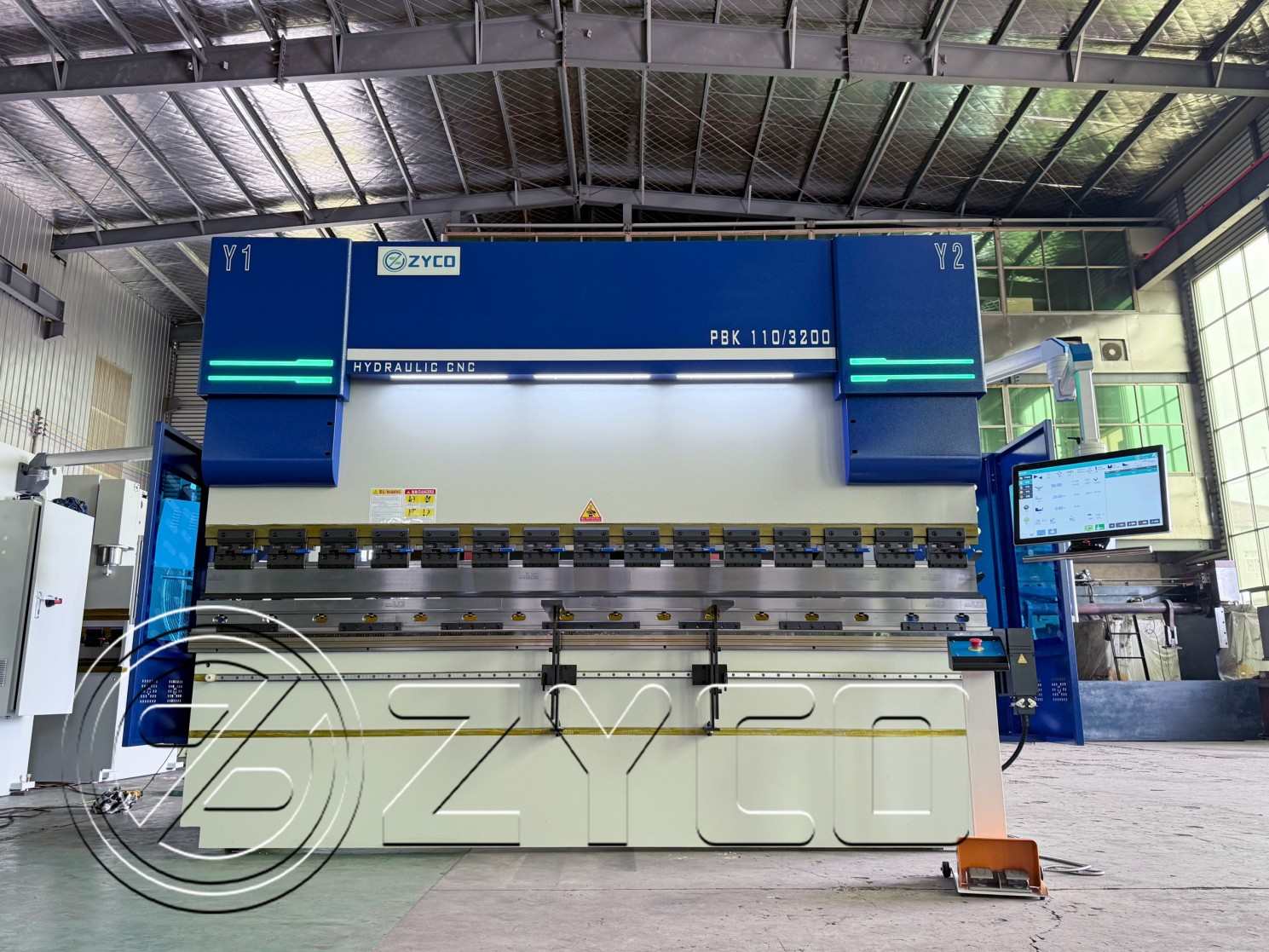
 

automated sheet metal bending


· The system monitors the cylinder position in real time through the grating ruler and automatically corrects the deviation every second;

· The bending angle error can be controlled within ±0.5°;

· The angles at both ends of the long workpiece are consistent, and there is no need for repeated debugging;

· The automatic compensation system can make intelligent corrections based on the plate thickness and material.

Result: Improved pass rate, reduced rework rate, and higher customer satisfaction.


✅ Reason 2: Energy saving and noise reduction, low operating cost


The electro-hydraulic bending machine is equipped with a servo pump control system, which runs the hydraulic system only when performing bending actions, greatly reducing energy consumption:

· Energy saving is 30%~60% compared with traditional hydraulics;

· Noise is as low as 70 decibels, making the workshop quieter;

· The oil temperature is constant, the oil ages slowly, and the hydraulic system has a longer life.

Result: The electricity bill + oil replacement cost saved in one year is enough to buy a set of molds.


✅ Reason 3: Supporting automation upgrades, saving manpower and increasing efficiency


The electro-hydraulic system has a stable structure and high control accuracy, making it naturally suitable for access to automation systems, such as:

· Robotic Hand loading and unloading;

· Automatic mold change (ATC);

· MES system data linkage;

· Laser angle measurement system.

Result: Fewer workers, higher efficiency, and 24-hour production line is possible.


✅ Reason 4: Simple operation and low training cost


The matching CNC systems (such as DELEM DA53T, DA66T, EASYCAT ET18, ESA S660W, etc.) all support:
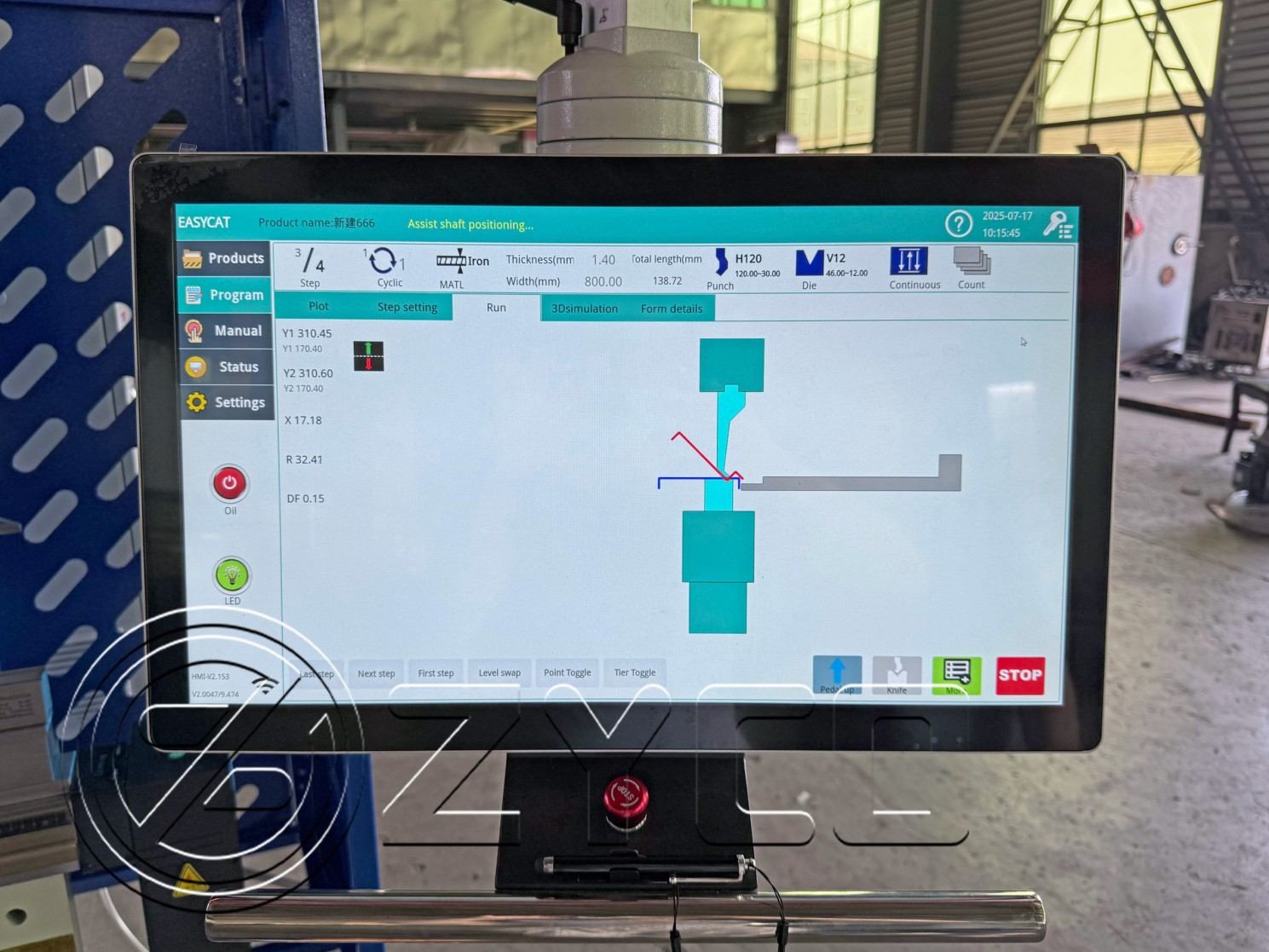
 

hydraulic sheet metal brake


· Multi-language operation interface (English, Spanish, French, etc.);

· Graphical programming, even beginners can quickly get started;

· Bending simulation function allows early detection of collisions and angle deviations.

Result: Customers no longer have to rely on "experienced workers", and newcomers can easily get started.


Summary


In 2025, ZYCO electro-hydraulic bending machine is not only an equipment choice, but also the "standard configuration" for global sheet metal processing companies to move towards high quality, high efficiency and intelligent manufacturing.

If you are an importer, distributor or end customer, and are looking for a bending solution with high precision, low energy consumption, easy maintenance and strong automation support, the electro-hydraulic bending machine will be your best choice.
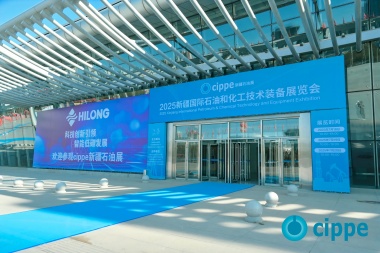
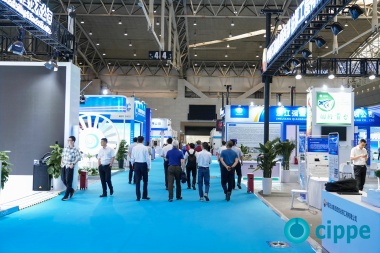
Elephant Machinery arrives as scheduled, bringing reciprocating pumps to the Xinjiang International Petroleum Exhibition

2025-07-25

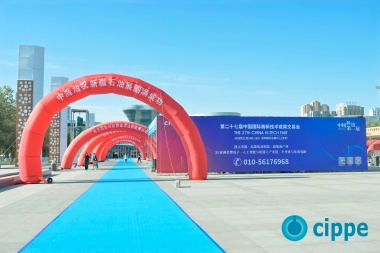
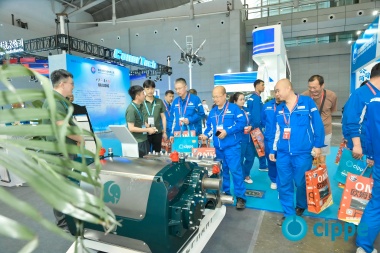
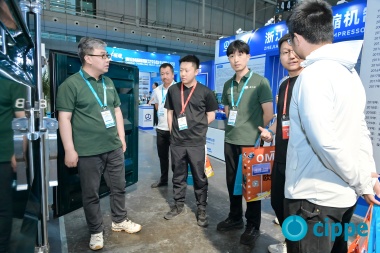
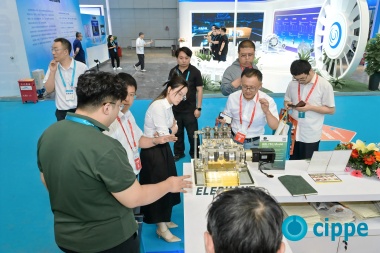
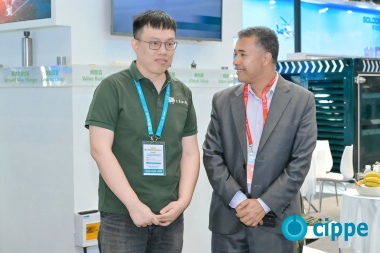
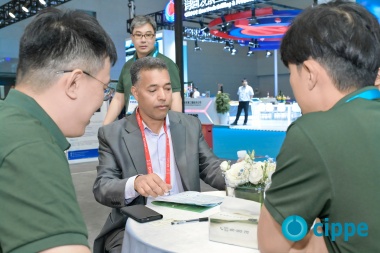
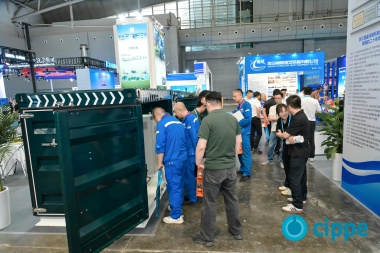
From July 18 to July 20, Elephant Machinery will be at Booth E4020 at the Urumqi Xinjiang International Petroleum and Chemical Technology and Equipment Exhibition to meet with you and discuss business opportunities.


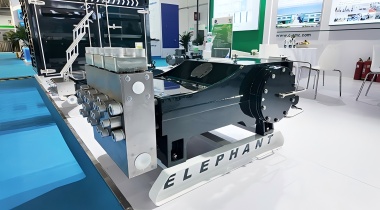
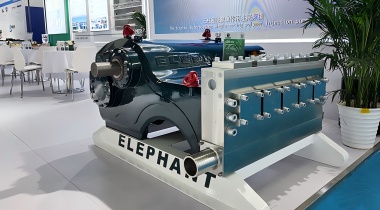
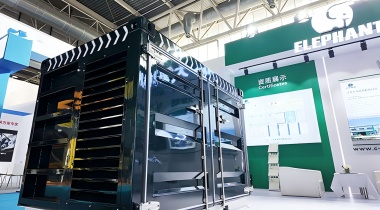
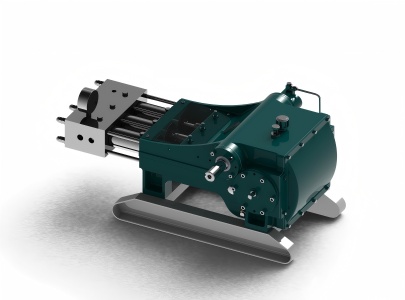
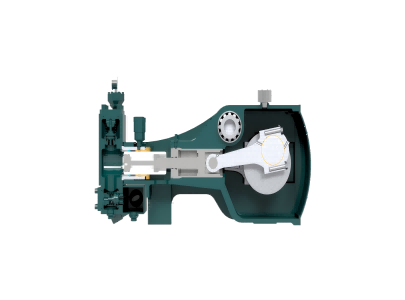
At this event, we showcased our DS200 triplex pump, DW400 quintuplex pump, and DXBH-66 intelligent unmanned pump skid, and discussed cutting-edge reciprocating pump technology in the petroleum industry with attendees.


On the first day of the exhibition, a long line formed at the Elephant Machinery booth, attracting many domestic and international visitors to stop and chat.


As a key hub along the Belt and Road Initiative, Xinjiang serves as a “super transit hub” for Elephant Machinery to expand its reach into Central Asia, Eastern Europe, and North Africa.


Elephant Machinery is committed to building a world-class brand in reciprocating pumps, adhering to the principle of “product is king,” and deeply engaging in the energy infrastructure market along the Belt and Road Initiative to support the thriving development of global oil and gas exploration and production. The company continuously updates and improves its products, dedicated to providing global customers with more convenient, reliable, efficient, and intelligent reciprocating pump solutions.

What is the difference between a jet pump and a plunger pump?

2025-07-25

The jet pump and the plunger pump are two different types of pumps, with the main differences reflected in the following aspects:


1.Working Principle

  • Jet Pump: It is a fluid pressurization device that primarily utilizes high-pressure working fluids (water, air, steam) to generate a high-speed jet through a nozzle, which enters a high-pressure chamber, thereby increasing the pressure to meet operational requirements. It relies entirely on the dynamic motion between fluids. It has strong self-priming capability and can handle gas-liquid mixed fluids.

  • Plunger Pump: The motor drives the pump's crankshaft to rotate via large and small pulleys and a narrow belt. The crankshaft then drives the connecting rod and plunger to perform reciprocating motion. When the plunger moves backward, the inlet valve opens, allowing liquid to enter the pump body until the plunger reaches its rearmost position (180° rotation of the crankshaft), completing the suction process. The plunger then begins to move forward, compressing the liquid in the pump's valve chamber, increasing the pressure. As a result, the inlet valve closes, and the discharge valve opens, allowing the liquid to be pushed out by the plunger through the discharge valve. The flow rate can be adjusted by changing the size of the plunger.


2.Structural Differences

  • Jet Pump: Simple in structure, primarily generates power through fluid movement, with lower maintenance costs in the long run (no vulnerable parts) and lower sealing requirements.

  • Plunger Pump: Mainly generates power through the reciprocating motion of the plunger. Compared to the jet pump, it has higher long-term maintenance costs and extremely high sealing requirements to prevent plunger leakage.


3.Application Scenarios

  • Jet Pump: Deep well water extraction, chemical industry (capable of transporting corrosive media,etc).

Plunger Pump: High-pressure cleaning, petroleum industry (mud pump, water injection pump, etc.), water well drilling, etc.


The jet pump primarily relies on hydrodynamic force for operation, making it suitable for simple working conditions and offering corrosion resistance. On the other hand, the plunger pump operates through the reciprocating motion of a plunger, making it ideal for high-pressure, high-efficiency, and stable-flow applications. You can choose the appropriate pump based on different working conditions and requirements. Elephant Machinery offers both plunger pump and jetting pump in our product lineup. Visit our website (www.elephantmudpump.com) to select the product you need—we will be your trusted partner!

Elephant Factory Acceptance Ceremony Successfully Held Crude Oil Transfer Pump

2025-07-25

Elephant Machinery recently welcomed representatives from Sudan's energy sector and the Sudan National Petroleum Pipeline Company for a factory visit and inspection of the ordered CBW-2800 crude oil transfer pumps.

The equipment underwent rigorous testing, with all items passing acceptance in a single attempt.


Elephant Machinery is honored to receive recognition in the international petroleum equipment industry. In our pursuit of innovation in reciprocating pump applications, we remain committed to our founding principles: reliability, durability, and user-friendly operation. We listen to every customer’s feedback, integrating their needs into our designs, and crafting reciprocating pump solutions with craftsmanship—delivering convenience, reliability, efficiency, and intelligence.

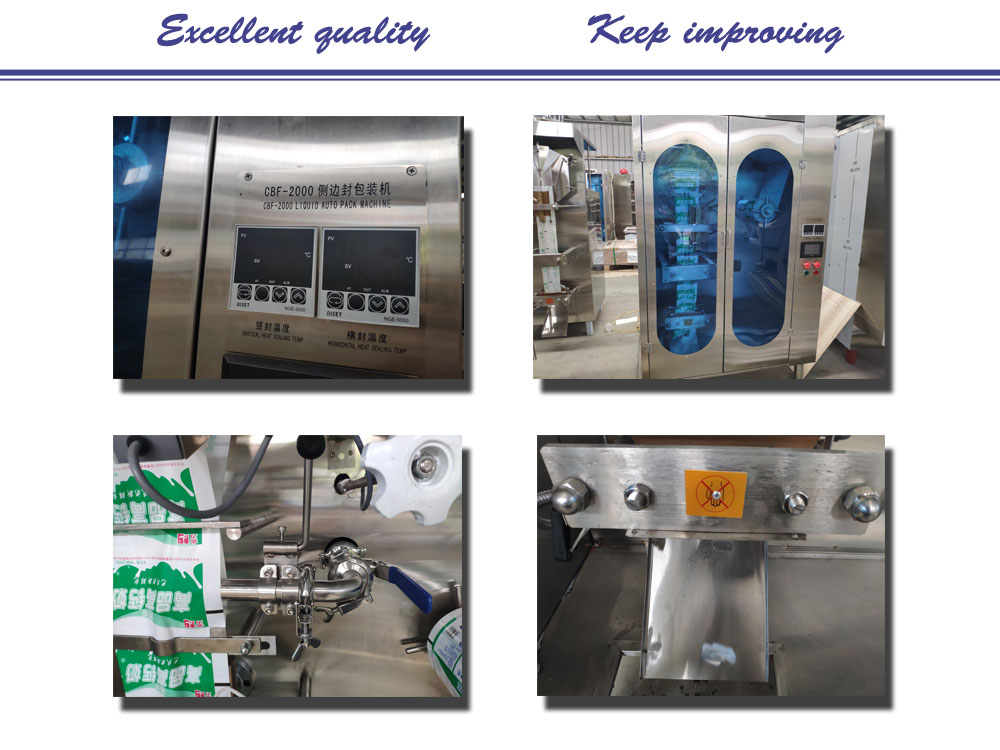
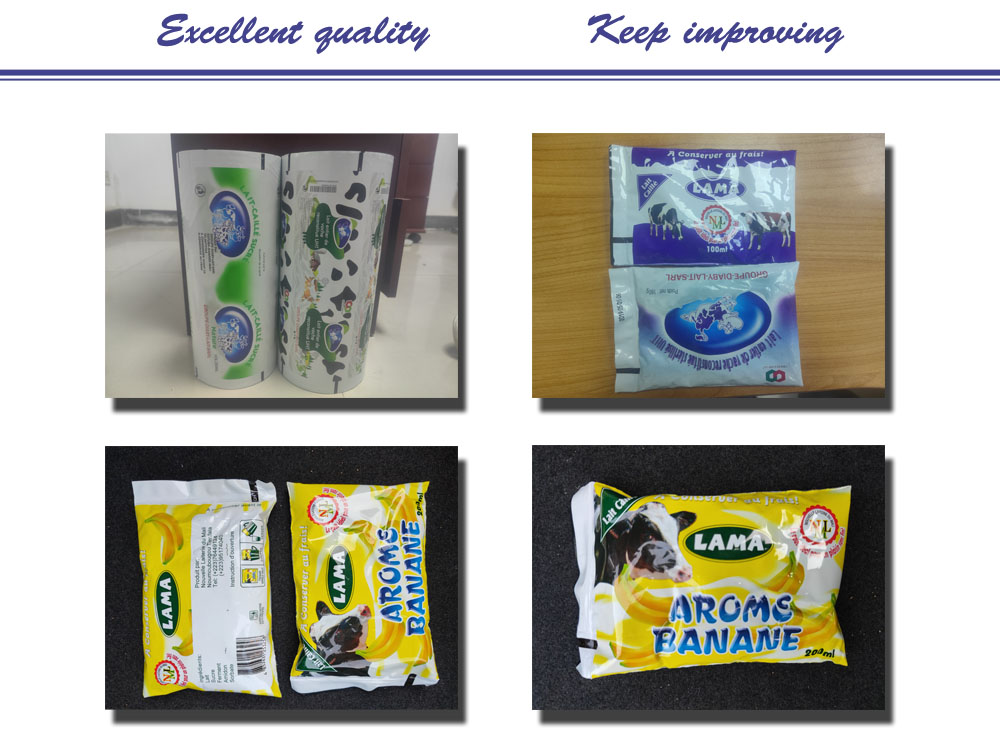
Maintenance and working principle of side-seal liquid packaging machine

2025-07-25

Introduction:

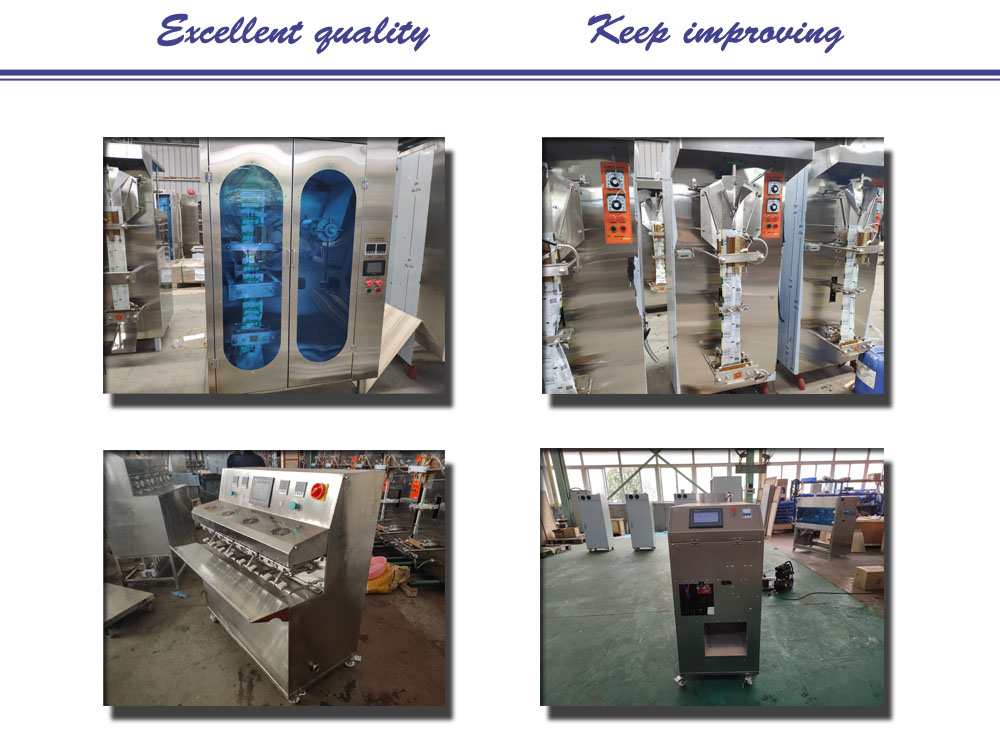
Side-seal liquid packaging machine is a key equipment in the packaging industry, mainly used to fill liquids such as yogurt, milk and juice into bag packaging. The working principle of this machine is to form the roll film into a bag shape and seal it while filling.

Working principle:

Film conveying and forming: The roll film is loaded onto the film roll and conveyed to the forming tube through a series of rollers and guides. The forming tube forms the flat film into a cylindrical shape, preparing for the subsequent filling and sealing process.

Filling and sealing: As the pre-formed film roller moves forward, the filling nozzle accurately distributes the liquid product into the formed bag. At the same time, the sealing mechanism, which usually consists of upper and lower sealing rods equipped with heating elements, applies heat and pressure to seal the edges of the packaging bag. The sealing process is carried out on both sides of the packaging bag, hence the name "side sealing". Sealing parameters such as temperature, pressure and time can be precisely controlled to ensure a strong and leak-proof seal.

Maintenance:

Daily cleaning: After each production, thoroughly clean the internal and external surfaces of the machine, especially the filling area, sealing rod and film conveying path. Remove any residual liquid, dirt or packaging material to prevent contamination and potential failures in subsequent operations. Use a clean soft cloth or suitable cleaning agent to ensure that electrical components are not corroded by moisture.

Lubrication: The milk packing machine needs to regularly lubricate the moving parts of the machine, such as gears, chains and linear guides, with recommended lubricants. Proper lubrication reduces friction, wear and tear, ensures smooth operation and extends the service life of the machine. Please follow the manufacturer's guidance on lubrication intervals and lubricant types.

Seal component inspection: Regularly check the sealing strip for wear, damage or residue accumulation. Clean the sealing surface and replace any worn sealing elements in time to maintain stable sealing quality. In addition, check the heating elements and temperature sensors to ensure precise temperature control.

Film feeding system adjustment: Monitor the film feeding tension and guide mechanism to ensure smooth and consistent film feeding. Adjust the tension control device and check the film guide device for any wear or misalignment, which may affect the film forming and packaging quality.

Electrical system inspection: Check electrical connections, wiring and control system components for any signs of damage, looseness or malfunction. Ensure that the machine's control panel, sensors and actuators are functioning properly to maintain accurate operation and safety.

Conclusion:

The yogurt packaging machine plays a vital role in the efficient packaging of liquid products. By understanding its working principles and implementing appropriate maintenance measures, operators can optimize machine performance, ensure stable packaging quality and extend its service life. Regular maintenance can not only avoid potential production downtime, but also ensure the safety and hygiene of packaged products, meeting the needs of the packaging industry and the expectations of consumers.

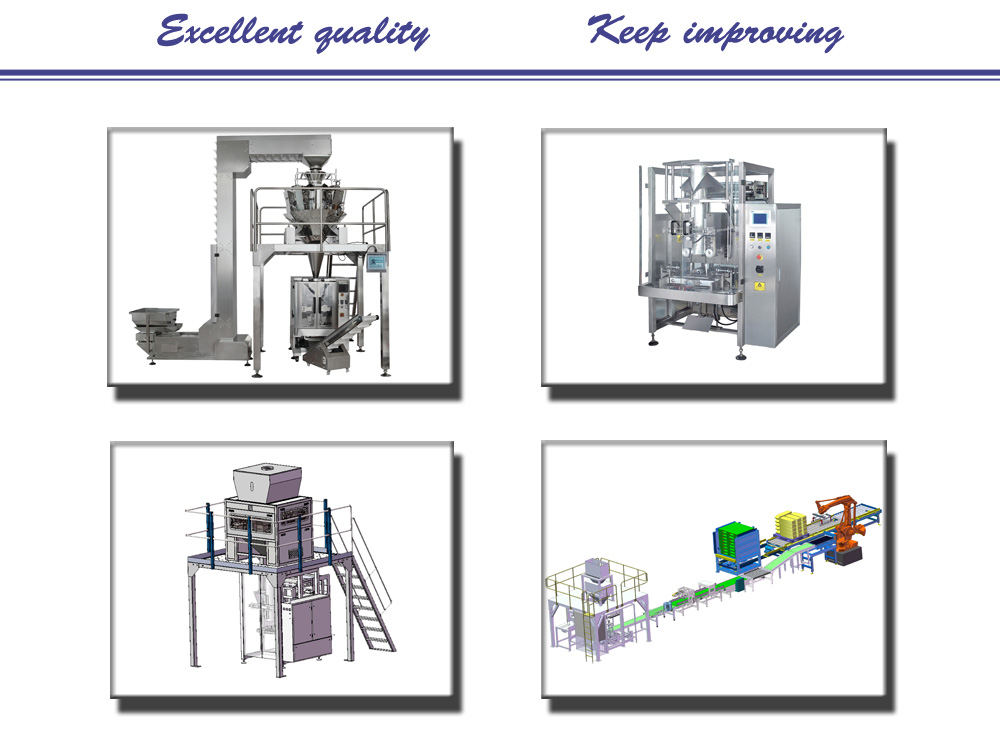
Maintenance of Granule Packaging Machine

2025-07-25

Introduction

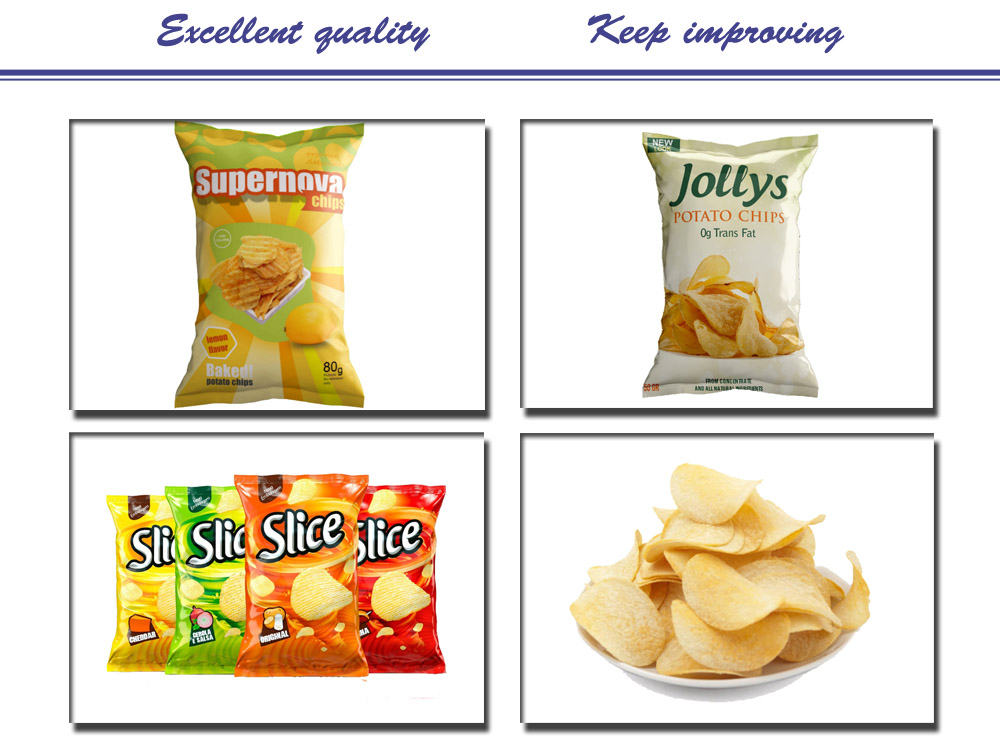
The potato chip packaging machine is an efficient and intelligent packaging solution for a variety of products such as potato chips, peanuts and French fries. It is equipped with advanced features and technologies to ensure accurate, fast and reliable packaging.

Maintenance Tips

Regularly check and lubricate the moving parts of the machine to reduce friction and wear. Please follow the equipment manufacturer's recommendations on lubrication schedules and lubricant types.

Keep the machine clean and free of dust, debris and food residues. Clean the machine after each use to prevent the accumulation of contaminants that can affect packaging quality or damage components.

Regularly check the electrical system and wiring of the machine. Make sure all connections are secure and functioning properly to prevent electrical failures and ensure safe operation.

Monitor the performance of the machine during operation. Watch for signs of abnormal noise, vibration or inconsistent packaging, which may indicate potential problems that require maintenance or repair.

Arrange regular professional maintenance and servicing by qualified technicians to solve any potential problems and ensure the best performance and life of the machine.

Structural Description

French fries packaging machines usually consist of several key components:

HMI (Human Machine Interface) and PLC (Programmable Logic Controller) systems: This is the control center of the machine, allowing the operator to easily program and monitor packaging parameters.

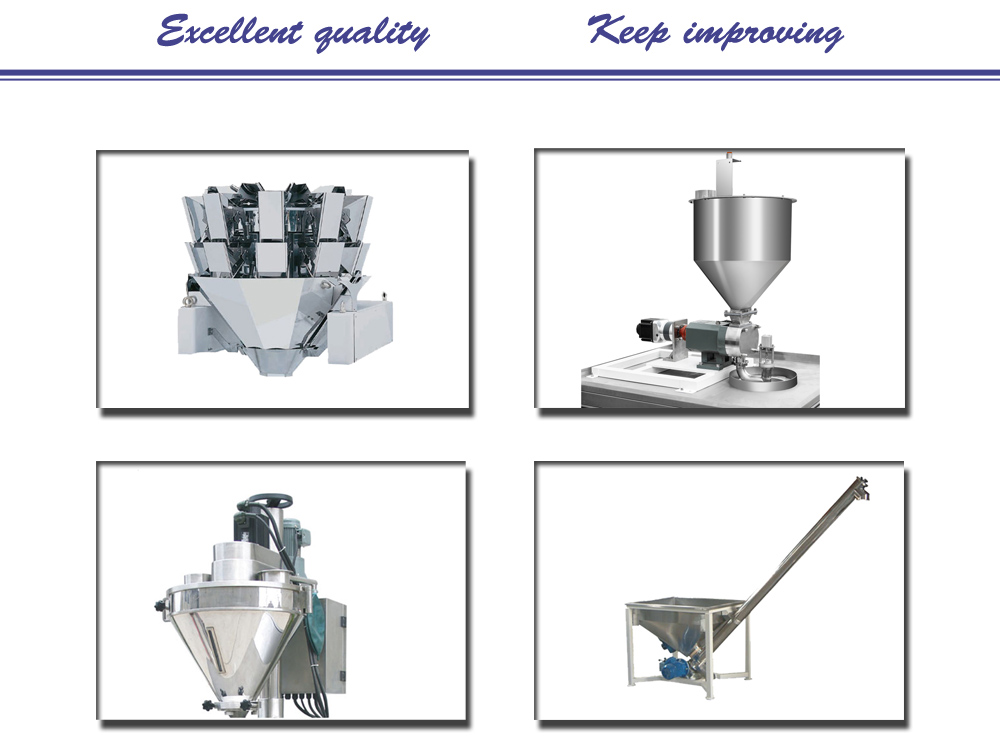
Feeding system: The machine is equipped with a volumetric feeder or weigher (such as a multi-head weigher) to accurately measure and feed the required amount of product into the packaging bag. The feeding system ensures a steady product flow and accurate dosage.

Packaging system: The machine is equipped with a film feeding and forming mechanism, a sealing system, and a cutting device. The film is fed through the machine, formed into bags, sealed, and then cut into individual packages. The sealing system uses heat to form a strong, leak-proof seal on the packaging material.

Conveyor system: The conveyor belt delivers the packaged product out of the packaging area, thereby facilitating smooth integration into the production line.

Material introduction

The granule packaging machine is made of high-quality materials to ensure durability, reliability, and food safety:

Stainless steel: Most parts of the machine, including the frame, contact parts, and sealing surfaces, are made of stainless steel. Stainless steel has excellent corrosion resistance, is easy to clean, and meets food safety standards. It ensures that the machine can withstand the harsh industrial environment and maintain hygiene during operation.

Food-grade plastics: Some parts of the machine, such as packaging film rolls and certain seals, may be made of food-grade plastic materials. These plastics are non-toxic, chemically and moisture-resistant, and suitable for direct contact with food.

The Functionalities and Benefits of Sachet Water Packaging Machines

2025-07-25

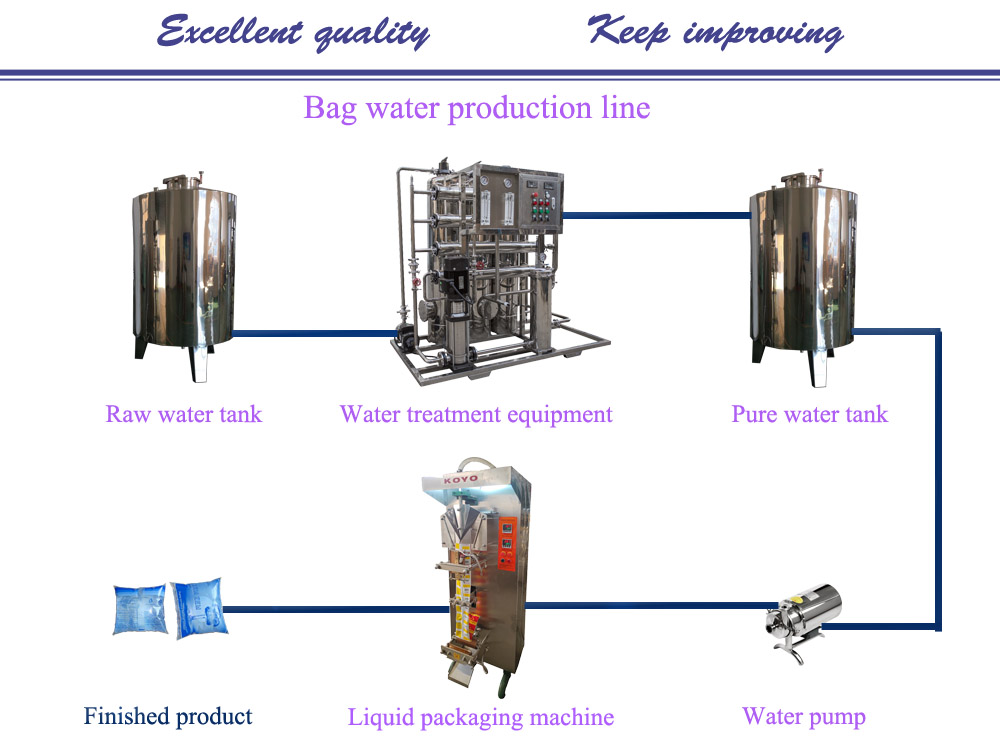
Sachet water packaging machines have transformed water distribution. They automate the entire process from filling to sealing, boosting production output and cutting manual labor. These machines can fill and seal thousands of sachets per hour with high precision, making water packaging more efficient.

Cost-effectiveness is another advantage. By reducing manual labor and streamlining the process, companies can save on overhead costs and enhance profitability. These machines also ensure product quality. Advanced filling and sealing technologies mean each sachet is accurately filled and securely sealed, preserving water freshness and purity.

Sustainability is key.Sachet water machine often use recyclable materials and produce less waste than traditional plastic bottles. This aligns with environmental goals and supports eco-friendly solutions. They also help reduce plastic consumption and carbon footprint.

Accessibility and affordability are important too. Sachet water packaging machines offer clean drinking water in small, cost-effective quantities, making it accessible to underprivileged communities.

Health and safety are prioritized. Made of stainless steel and following strict hygiene standards, these machines ensure hygienic and secure sealing, crucial for drinking water safety.

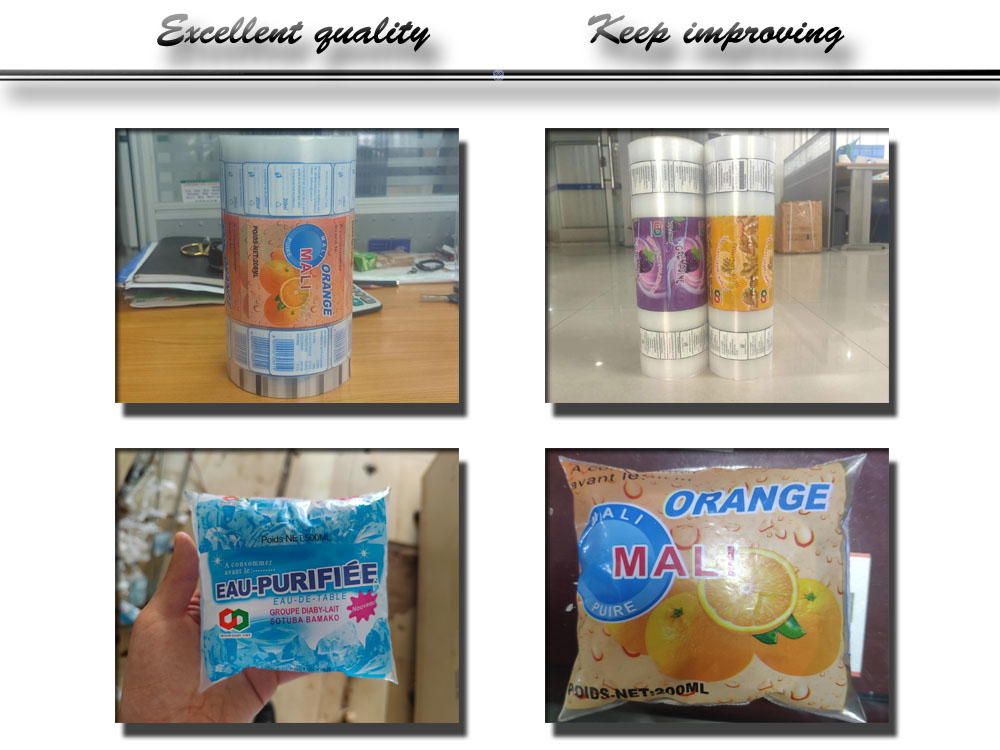
They are versatile. Beyond water, they can package various liquids like milk, juice, etc. And modern machines have innovative features such as easy-to-tear panels for better recyclability and user convenience.

In conclusion, water production line are vital in the beverage industry. They meet the demand for portable hydration and ensure safe, hygienic, and consistent product delivery. As the on-the-go hydration market grows, these machines will play a crucial role. Investing in them allows companies to future-proof operations, meet consumer needs, and contribute to a sustainable future.

The important role of RO water treatment equipment

2025-07-25

In areas where clean water is scarce, especially in Africa, water treatment equipment is like a beacon of hope. Among them, the RO system (reverse osmosis system) is an outstanding solution, representing advanced water treatment equipment that can transform impure water into safe drinking water.


Structure and function

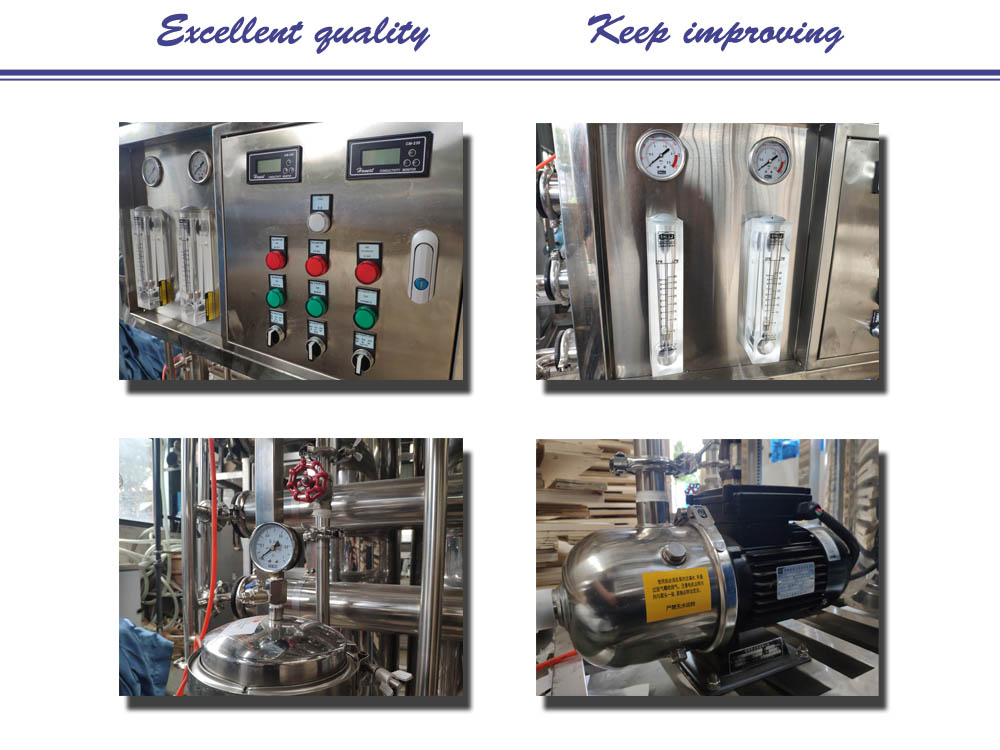
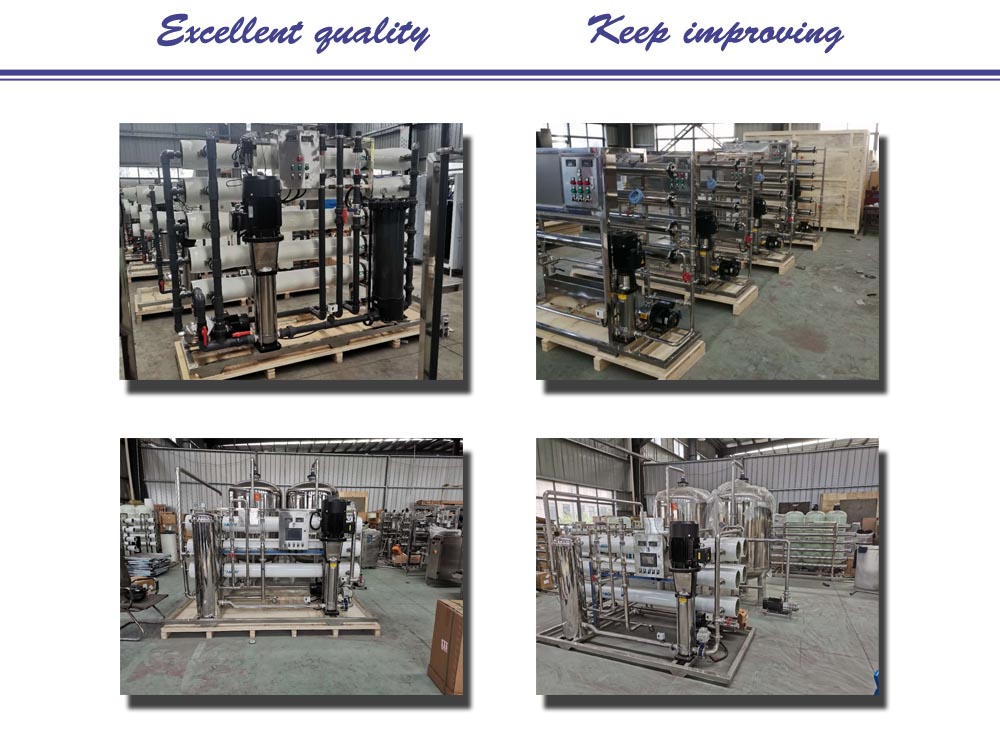
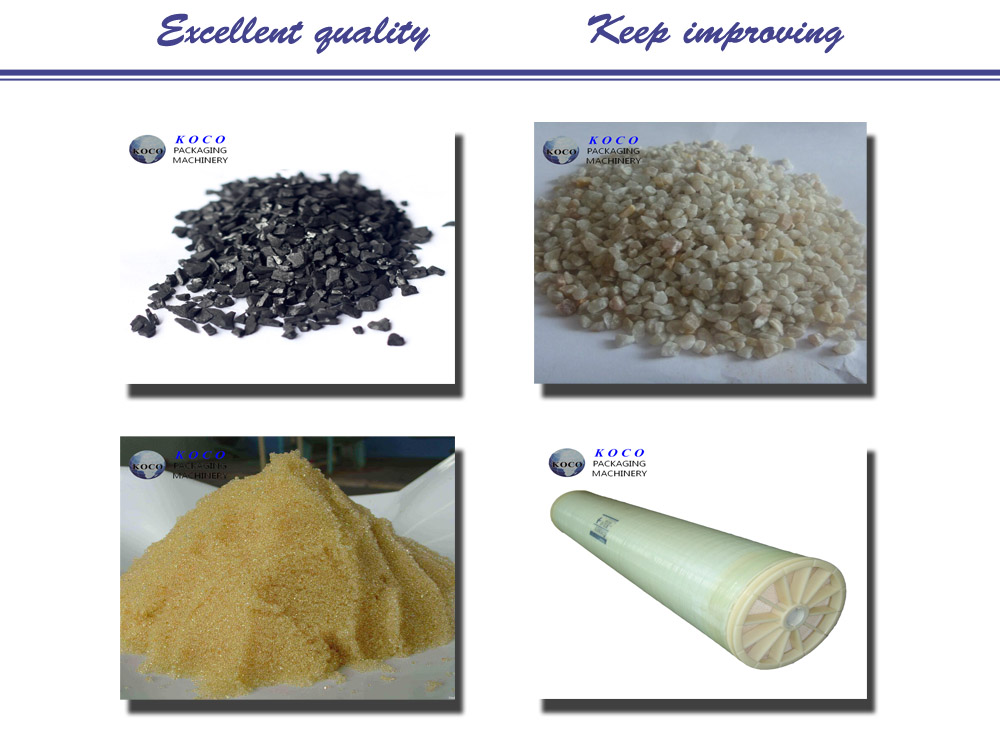
As shown in the figure, a typical RO system contains several key components. Three cylindrical pressure vessels contain semipermeable membranes - the heart of the system. These membranes act as molecular filters and can remove up to 99% of pollutants, including bacteria, viruses, heavy metals and dissolved solids. The equipment also includes a pre-filter (usually activated carbon and sediment filters, as shown in the material diagram), a high-pressure pump and a water storage tank. The pre-filter first removes larger particles and chlorine to protect the fragile RO membrane. The pump then presses the water through the membrane to purify it.


Application and impact on the human body

The application of water treatment machinery is very wide. They provide reliable clean water to communities, industries and medical institutions. In Africa, where waterborne diseases are prevalent, these systems have significantly reduced diseases caused by contaminated water. They empower communities by reducing the time spent fetching water from distant sources, allowing people, especially women and children, to focus on education and economic activities.


Maintenance Considerations

Proper maintenance is essential to the longevity and efficiency of water treatment machinery. Regular replacement of pre-filters (every 3-6 months) and reverse osmosis membranes (every 2-3 years) ensures optimal performance (specific replacement and cleaning schedules depend on usage and water quality). Granular activated carbon (black granules in the picture) and ion exchange resins (amber granules) must also be regenerated or replaced regularly. Monitoring water pressure and water quality can help detect problems early. For African communities, training local operators and developing maintenance plans are key steps to achieving sustainable water security.


Conclusion

Water treatment equipment is more than just water ro system, it is a lifeline. As shown in the figure, every component, from mechanical equipment to filtration materials, plays a vital role in providing a clean water source. For African countries facing water challenges, these systems provide a sustainable path to improving public health, economic development, and overall quality of life. By investing in and maintaining these systems, communities can unlock a future where clean water is no longer a privilege, but a reality.

What is the shelf life difference between hot-fill and cold-fill juice?

2025-07-25

In the beverage industry, hot-fill and cold-fill juices are two common packaging methods. Here is a detailed comparison of the differences between the two:


Sterilization Process

Hot-fill beverages are heated to high temperatures (85°C-95°C) to eliminate bacteria, yeast, mold, and other microorganisms. The hot product is then filled into sterilized containers. As the product cools, a vacuum forms inside the container, extending the shelf life. In contrast, cold-fill beverages do not require heating. The product and container are sterilized separately before filling, using methods such as filtration, UV, or chemical sterilization. After filling, the product is sealed in a sterile environment to prevent contamination.

Shelf Life

Hot-fill beverages generally have a longer shelf life, generally 6 to 12 months. Some hot-fill juices can be stored for up to 18 months without refrigeration. However, cold-fill beverages have a shorter shelf life. If not refrigerated, they can usually be stored for 1 to 6 months, and some require refrigeration and have a shelf life of only a few days to a few weeks.


Nutritional value and flavor

Hot-filled beverages may lose some heat-sensitive nutrients due to high-temperature processing and cause flavor degradation. Cold-filled beverages retain more natural nutrients and flavors because they are not processed at high temperatures. Its taste and nutritional content are closer to the original juice.

Production cost

Hot filling requires heating and cooling processes, consumes more energy, and increases production costs. In addition, it also requires heat-resistant packaging materials such as glass jars or aluminum cans, which are relatively expensive. Cold filling uses standard PET plastic or other packaging materials, which reduces material costs. However, it requires an aseptic filling environment and advanced equipment, so the initial investment is higher.


Equipment requirements

Hot filling requires equipment that can sterilize at high temperatures and handle heat-resistant packaging materials. Cold filling requires aseptic filling equipment and an aseptic production environment. For small-scale production, a "small juice filling machine" may be more appropriate. For bag packaging, a "bag juice filling machine" or "juice bag filling and sealing machine" can be used for hot filling and cold filling.

Product safety

Hot filling can effectively kill bacteria and other microorganisms to ensure product safety. However, it may slightly reduce the content of some nutrients. Cold filling ensures product safety by maintaining a sterile environment during the filling process, but requires strict control of the production process to prevent contamination.


Market positioning

Hot-filled beverages are usually positioned as affordable, long-shelf-life products suitable for mass consumption. Cold-filled beverages, on the other hand, emphasize freshness and naturalness, and usually target the mid-to-high-end market, attracting consumers who pursue nutritious and delicious beverages.

In summary, hot-filled and cold-filled beverages each have their own advantages and disadvantages. Hot filling is ideal for extending shelf life and reducing the use of preservatives, while cold filling can retain nutrition and flavor, but requires stricter production control. When choosing a packaging method, manufacturers should consider factors such as product characteristics, target market, and cost budget to make the most appropriate choice.
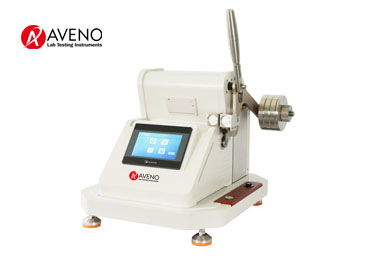
AVENO Digital Tearing Tester Upgrade

2025-07-17

Digital tear tester is used to measure the tear strength of various woven fabrics (Elmendorf method). It can also be used to measure the tear strength of paper, plastic cloth, film, electrical tape, metal foil and other materials.


Meets the following standards:

Textiles: GB/T 3917.1 Textiles - Tear properties of fabrics - Part 1 Determination of tear strength by impact pendulum method

ASTM D 1424, DIN 53862, ISO 13937-1, ISO 4674-2, ISO 9290, etc.


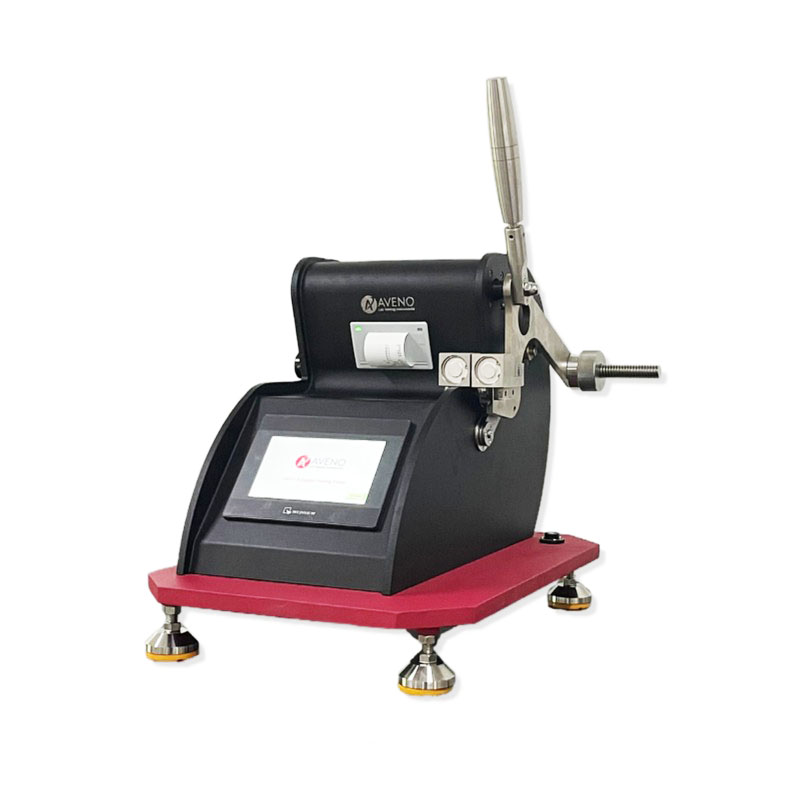
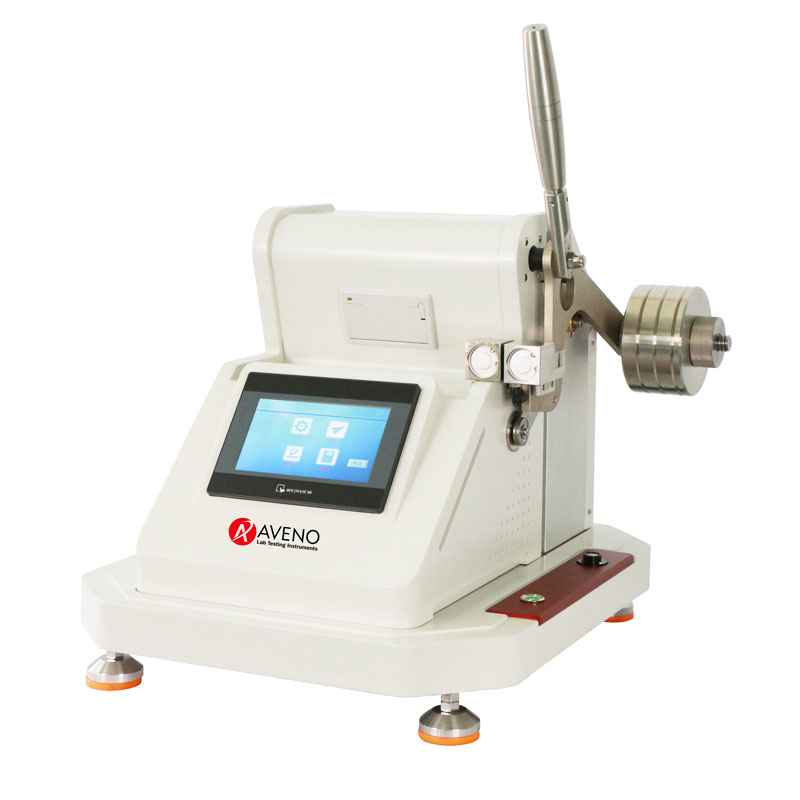
AVENO R&D department continuously studies the equipment and combines the customer experience to upgrade the Digital Elmendorf Tearing Tester:

Digital tear testerDigital Elmendorf Tearing Tester

Old Model Digital Tearing Tester                                 New Model Digital Tearing Tester


Fabric Tearing Testing machine Features:

1. Color touch screen control system, Chinese and English operation interface, built-in thermal printer, print data reports.

2. Advanced calculation method (potential energy method calculation) to ensure accurate testing and good repeatability.

3. All data and statistical results can be freely checked in the host.

4. Pneumatic sample clamping and pendulum release to ensure consistent clamping force and reduce operation steps.

5. Automatic sample cutting to reduce operation steps.

6. The test unit can be selected and automatically converted between N, gf, cN, kgf, mN and lbf to meet different standard requirements.

7. USB interface, professional computer analysis software, computer data storage (obtained national software copyright registration certificate).

8. Equipped with automatic correction function of pendulum friction damping to improve measurement accuracy.


AVENO recommended product:

Digital Tearing Tester AG11-3

Digital Tearing Tester AG11-3


Any demand can be referred to us!

Sales Dept Tel: +86 15280858852

Email: sales@avenotester.com

Skype: sales@avenotester.com

Web: www.avenotester.com


Tags