In today's fast-paced production environment, PE film roll bag water packaging machine has become a powerful assistant for many companies to improve production efficiency and ensure product quality. The following will focus on the production process, operation manual and simple maintenance tips of this machine.
Equipment production process
Liquid filling: The liquid filling system of the PE film roll bag water packaging machine is a key part. Water or other liquid products can usually be injected into the PE film roll bag by gravity drop or pumping.
PE film roll supply: juice packaging machine is equipped with a special PE film roll supply device. The PE film roll material is placed in rolls. During the transmission process, the system will maintain a constant tension to avoid damage caused by excessive relaxation or tension of the film roll, ensuring that the film roll smoothly enters the bag making link, laying a good foundation for subsequent operations.
Bag making and sealing: When the PE film roll is delivered to the designated position, the bag making and sealing systems of the packaging machine begin to work together. First, the machine will cut the bottom of the roll film according to the preset size to form independent bag blanks. Then, the bag blank is turned into a three-dimensional bag through the middle seal. Then fill the liquid, and finally, use heat sealing technology to seal the bag mouth.
Operation Manual
Preparation before starting the machine: The operator needs to conduct a comprehensive inspection of the equipment, including whether all components are installed in place, whether the connection is firm, whether the power supply and air source are normal, etc. At the same time, according to the production plan, prepare the corresponding PE roll film materials and liquid products, and install the roll film correctly on the supply device to ensure that it can be unfolded smoothly. Check whether the parameter settings of the control system, such as filling volume, packaging speed, etc., meet the current production requirements, and make timely adjustments if there are deviations.
Start the equipment: After checking that everything is correct, press the start button and the packaging machine starts running. In the initial stage, the operator should closely observe the operating status of the equipment and pay attention to whether there are abnormal sounds, vibrations or liquid leakage. If there is any abnormality, the machine should be stopped immediately to investigate the cause, and production can only be continued after the fault is eliminated.
Maintenance Manual
Daily Cleaning: After each use, the dust, stains and residual liquid on the surface of the equipment should be cleaned in time. The surface and components of the machine can be wiped with a soft damp cloth. For some corners that are easy to hide dirt, such as the filling port and the sealing port, they should be cleaned carefully to prevent dirt accumulation from affecting the performance of the equipment and product quality.
Regular Lubrication: According to the requirements of the equipment manual, lubricate the rollers, gears and other parts of the conveyor belt regularly to reduce friction, reduce wear, and ensure the smoothness and reliability of the equipment operation. When lubricating, pay attention to the selection of suitable lubricants and add them according to the prescribed amount of oil to avoid excessive or insufficient oil.
Component Inspection and Replacement: Regularly check the wear of vulnerable parts, such as sealing rings, cutters, heat sealing components, etc. Once the parts are found to be worn, aged or damaged, they should be replaced in time to prevent the fault from expanding and affecting the production progress and product quality. .
Electrical System Maintenance: The electrical control system of the equipment should be inspected and maintained regularly. Check whether the wires and cables are damaged or aged, whether the terminals are loose, etc. Keep the inside of the electrical control cabinet clean to prevent dust and debris from entering and affecting the normal operation of electrical components.
In Mali, Africa, a water revolution is quietly taking place. Bag water, also known as "Eau-purifiée", is more than just a product; it meets one of the most basic human needs - clean drinking water. As the bag water market in Mali continues to grow, it is becoming increasingly clear that the Malian people are increasingly concerned about the safety of drinking water. In this blog, we will explore the reasons behind the booming bag water market in Mali and why its future prospects are so bright.
1. Growing consumer demand:
The demand for pure water in Mali has soared, and the demand for clean drinking water is growing not only in Mali, but also throughout Africa. Consumers are becoming more aware of the importance of safe drinking water to their health and are looking for convenient and affordable options. Bag water meets this need, providing a hygienic, portable way to replenish water that can be easily obtained even in remote areas.
2. Health and hygiene awareness:
As the education level of the Malian people continues to improve, more and more people are aware that polluted water can cause irreparable damage to their health. As a result, people are turning to clean drinking water, and bagged drinking water is very popular in Mali because it is considered safer drinking water. This has led to a surge in demand for bagged water, especially in urban areas where health awareness is growing.
3. Climate Change and Water Scarcity:
Mali is facing the harsh reality of climate change, which has led to water shortages in the country, and bagged water is essential to ensure that consumers have access to clean drinking water even in times of drought. This makes bagged water a necessity in the country.
4. Economic Growth and Urbanization:
As Mali's economy grows and urbanization progresses, the middle class continues to grow, and their demand for convenience and personal health is also growing. Bagged water meets these needs. It is not only safe, but also easy to transport and store.
5. Technological Advances:
Bagged water benefits from advances in equipment technology, which has improved production efficiency and reduced costs. Breakthroughs in packaging machinery and water treatment technology have improved the quality of bagged water, making it more attractive to consumers.
6. Support from the government and non-governmental organizations:
The Malian government also recognizes the importance of bagged water to health. They provide support by encouraging local water plants to produce clean bagged water in large quantities.
7. Market innovation:
Businesses in the bagged water industry need to meet the needs of consumers. This includes providing flavored water, water rich in essential minerals, and even increasingly popular bagged water for cooking.
Due to climate change and water shortages in Mali, coupled with the country's economic growth, consumers' demand for healthy diets continues to grow. This is also accompanied by a continued increase in demand for packaging equipment. The three machines developed by our company, sachet water making machine, water packaging machine, and koyo water sachet machine, are very popular in the African market. With the growing demand for clean and convenient drinking water, Mali's bagged water market has also ushered in development opportunities. And the bagged water equipment industry has also ushered in rapid development. The prospects for Mali's packaged water are not only promising, but with the support and continued investment of the government and local companies, Mali's packaged water market will become a model for other African countries facing similar water shortages.
The industrial revolution has led to serious pollution of natural freshwater resources around the world, and water treatment machinery has become an indispensable link in providing clean and safe drinking water. These systems play a vital role in converting wastewater into drinking water, ensuring that people have access to healthy and pure drinking water. Given the importance of water treatment equipment in our daily lives, proper maintenance is essential to ensure its optimal performance and lifespan.
Regular cleaning and inspection
Regular cleaning of water treatment equipment is key to its efficient operation. Over time, contaminants and impurities can accumulate within the membrane, leading to reduced production efficiency and potential failure. It is recommended to develop a regular cleaning schedule. This may include disassembling certain components and using suitable cleaning agents to remove any scale buildup. In addition, inspecting the equipment for signs of wear, such as leaks or corrosion, can help prevent major problems. Prompt replacement of damaged parts will ensure the integrity of the entire water treatment process.
Water quality monitoring
Regular monitoring and testing of treated water quality is another important aspect of maintaining water treatment equipment. By regularly analyzing the output water, you can quickly identify any deviations from the expected water quality standards and take corrective measures in a timely manner. This not only ensures that the water is safe to drink, but also helps adjust the equipment settings for optimal performance.
Water treatment equipment relies on activated carbon, quartz sand, resin, PP cotton membrane and reverse osmosis membrane to remove impurities from water. These materials have a limited lifespan and need to be replaced regularly. Monitoring water quality can help you determine when these filter materials have failed and need to be replaced.
Maintenance of reverse osmosis water system
Reverse osmosis membranes are key components in many water treatment units and require special attention. Reverse osmosis membranes are prone to scaling and harboring microorganisms, which can seriously affect their performance. To extend the life of these membranes, it is critical to monitor the influent water quality and ensure that all pretreatment processes (activated carbon, quartz sand, resin filtration and PP cotton membrane filtration) are operating properly.Implementing a proper chemical dosing program to control scaling and microbial growth is also helpful. In addition, maintaining the correct operating pressure and flow rate helps prevent the membrane from being overstressed and ensures the continuous production of high-quality treated water. Regularly checking the pressure gauges and flow meters of the reverse osmosis system can help you detect any performance anomalies so that adjustments and maintenance can be made in a timely manner.
Preventive maintenance measures
Preventive maintenance is the key to avoiding unexpected downtime and expensive repairs. This includes scheduling regular maintenance checks by qualified technicians who can assess the condition of your water treatment equipment and identify potential problems before they become serious. During these checks, technicians can check electrical systems, test safety devices, and ensure that all components are operating as intended.Another important preventive measure is to keep proper records of all maintenance activities. These records should contain details of inspections, cleaning procedures, parts replacements, and any repairs that have been performed. Having this information at hand can help you track the maintenance history of your equipment and make informed decisions about future maintenance needs. It also provides valuable data for troubleshooting and is very useful when seeking warranty claims or manufacturer technical support.
All in all, with proper care, your water ro system can continue to be an indispensable tool in providing clean drinking water. By following these maintenance tips and keeping a close eye on the condition and performance of your water treatment equipment and reverse osmosis system, you can provide a healthier and more sustainable water supply for yourself and your community.
In the fast-paced and highly competitive food industry, precision, efficiency, and quality are non-negotiable. Multihead weighers have emerged as a cornerstone technology, playing a crucial role in shaping the modern food production landscape. Their impact extends across various aspects of food manufacturing, packaging, and distribution, making them an essential asset for businesses aiming to thrive in this dynamic sector.
1. Unparalleled Precision for Consistent Product Quality
One of the most significant contributions of multihead weighers to the food industry is their ability to achieve unparalleled precision in weighing. In food production, where every gram matters, these weighers utilize advanced algorithms and multiple weighing heads to ensure that each package contains the exact amount of product specified. For instance, in the production of snacks like chips, candies, or nuts, consumers expect a consistent quantity in every bag. Multihead weighers can accurately measure and combine products from multiple hoppers, eliminating variations in weight. This precision not only enhances the consumer experience by providing reliable product quantities but also helps food manufacturers maintain their brand reputation for quality and consistency.
2. Dramatic Boost in Production Efficiency
In the food industry, time is of the essence, and any delay in production can lead to significant losses. Multihead combination weighers are designed for high-speed operation, enabling food manufacturers to increase their production throughput substantially. Unlike traditional weighing methods that are often slow and labor-intensive, multihead weighers can weigh and package products at a much faster rate. They can process a large number of items per minute, continuously feeding, weighing, and discharging products without significant interruptions. This increased speed allows food companies to meet high-volume production demands, especially during peak seasons or when fulfilling large orders. Moreover, the automated nature of multihead weighers reduces the need for manual intervention in the weighing process, freeing up human resources to be allocated to other critical tasks in the production line, further enhancing overall efficiency.
3. Cost-Effective Operations
Multihead weighers contribute significantly to cost-effective operations in the food industry. By ensuring accurate weighing, they minimize product waste. In traditional weighing systems, over-filling packages is a common occurrence, resulting in unnecessary product loss. With multihead weighers, the precise measurement of products ensures that the amount of product used in each package is optimized, reducing costs. Additionally, the high-speed and automated operation of multihead weighers lead to lower labor costs. Fewer workers are required to manage the weighing process, and the increased production efficiency means that the same amount of output can be achieved with less time and resources. This cost-saving method is particularly crucial for food businesses, as it allows them to remain competitive in the market by keeping their production costs in check while maintaining high-quality products.
4. Facilitating Product Diversification
The food industry is constantly evolving and consumers constantly seeking new and innovative products. Multihead weighers offer the flexibility that food manufacturers need to adapt to these changing market demands. These weighers can be easily adjusted and programmed to handle a wide variety of food products, regardless of their shape, size, or weight. Whether it's packaging different flavors of snacks, mixed nuts, or a combination of various food items, multihead weighers can be configured to meet specific product requirements. This flexibility enables food companies to introduce new product lines or modify existing ones quickly, expanding their product portfolio and appealing to more consumers. It gives businesses a competitive edge by allowing them to respond promptly to market trends and consumer preferences.
5. Upholding Stringent Food Safety Standards
The food industry must prioritize food safety as a top concern, and multihead weighers play a vital role in upholding stringent safety standards. These weighers are designed with materials and construction that comply with food-grade regulations, preventing any contamination of the products during the weighing process. They are easy to clean and maintain, reducing the risk of bacteria or other contaminants accumulating on the equipment. Additionally, the automated and precise nature of multihead weighers reduces the potential for human error in the weighing process, which could otherwise lead to product contamination or incorrect ingredient proportions. By ensuring that the weighing process is hygienic and accurate, multihead weighers contribute to the overall safety and integrity of food products, protecting consumers and safeguarding the reputation of food brands.
In conclusion, multihead weighers have become an indispensable part of the modern food industry. Their ability to provide precision, enhance efficiency, reduce costs, enable product diversification, and ensure food safety makes them a key driver of success for food manufacturers. Whether you're a small-scale food producer or a large-scale multinational corporation, investing in high-quality multihead weighers is a strategic decision that can bring numerous benefits and help your business thrive in the competitive food market.
High temperature environment can affect the efficiency and accuracy of stepper motors, which may lead to step loss.
1、 Working principle of stepper motor
A stepper motor is a type of motor that converts electrical pulse signals into rotational angle outputs. Each time a pulse signal is received, the stepper motor rotates a fixed angle, usually 1.8 or 0.9 degrees. Therefore, stepper motors can accurately control the rotation angle and speed, and are often used in mechanical equipment that requires precise control.
2、 The impact of high temperature environment on stepper motors
High temperature environments can have a negative impact on the operation of stepper motors. Firstly, high temperatures can cause the temperature of the coils inside the motor to rise, thereby increasing resistance and affecting motor performance. Secondly, the aerodynamic performance in high-temperature environments is poor, which can reduce the cooling efficiency of the motor. Finally, high temperature may also cause expansion and deformation of motor materials, intensify friction, and affect the accuracy and efficiency of the motor.
3、 Step loss problem of stepper motor in high temperature environment
In high temperature environments, the problem of step loss in stepper motors is quite serious. When the temperature of the motor increases, the resistance of the coil will increase, which will cause a decrease in current and affect the rotation of the motor. In addition, high temperature environments can weaken the cooling efficiency of the motor, further exacerbating the problem of step loss. Therefore, to ensure the stability and accuracy of the stepper motor, special protection and control are required in high-temperature environments.
4、 How to solve the problem of step loss in stepper motors under high temperature environment
To solve the problem of step loss of stepper motors in high temperature environments, we can start from the following aspects:
1. Use high temperature resistant materials: Choosing high temperature resistant materials can reduce the high temperature impact on the motor.
2. Regular motor inspection: Regularly check the temperature and condition of the motor to promptly identify and solve problems.
3. Strengthen cooling measures: Increase cooling measures for the motor, such as adding heat sinks, installing fans, and reducing motor workload.
4. Use temperature sensors: Install temperature sensors to monitor the motor temperature in a timely manner, and issue alarms and handle issues promptly when the temperature is too high.
High temperature environment can have a certain degree of impact on the efficiency and accuracy of stepper motors, and even cause step loss problems. To ensure the stability and accuracy of the stepper motor, it is best to use high temperature resistant stepper motor
Ctrl-Motor is the overseas business office established in Shenzhen by DDON (Chengdu, headquartered in Sichuan, China. The company has a team of nearly 100 senior engineers, specializing in the production of special motors ranging from deep low temperature of - 196°C to ultra - high temperature of +300°C and extreme environments.
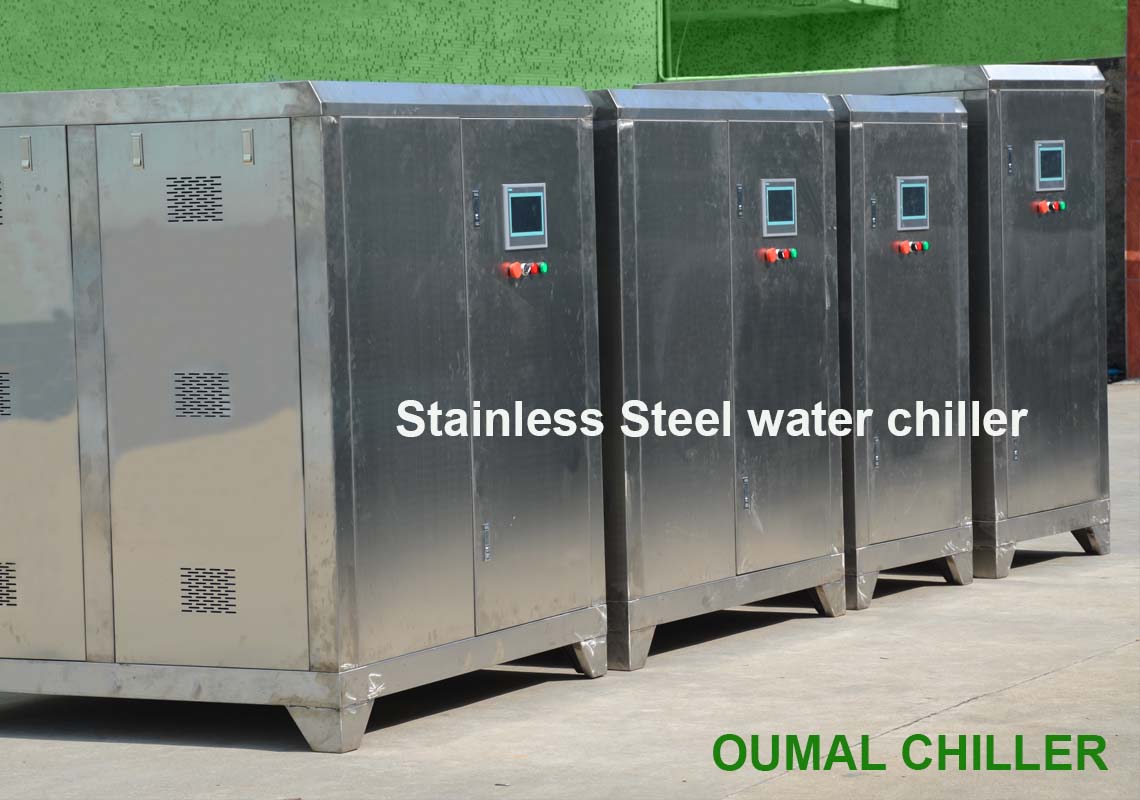
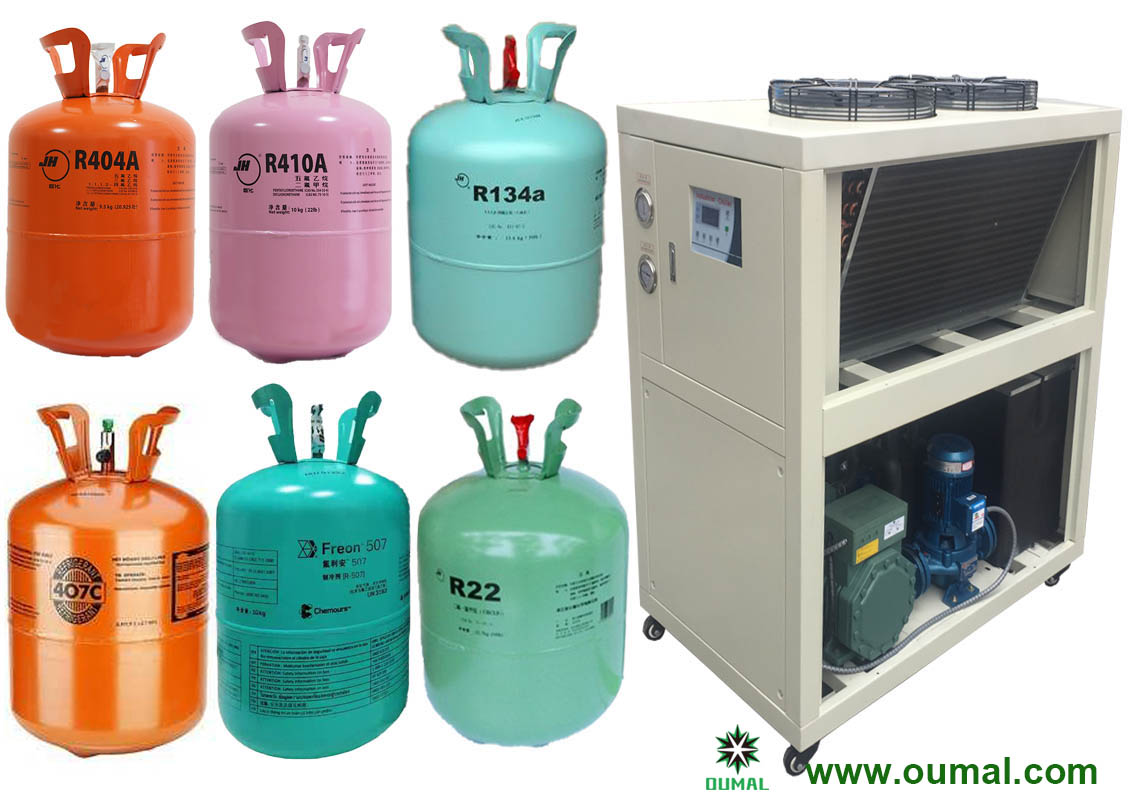
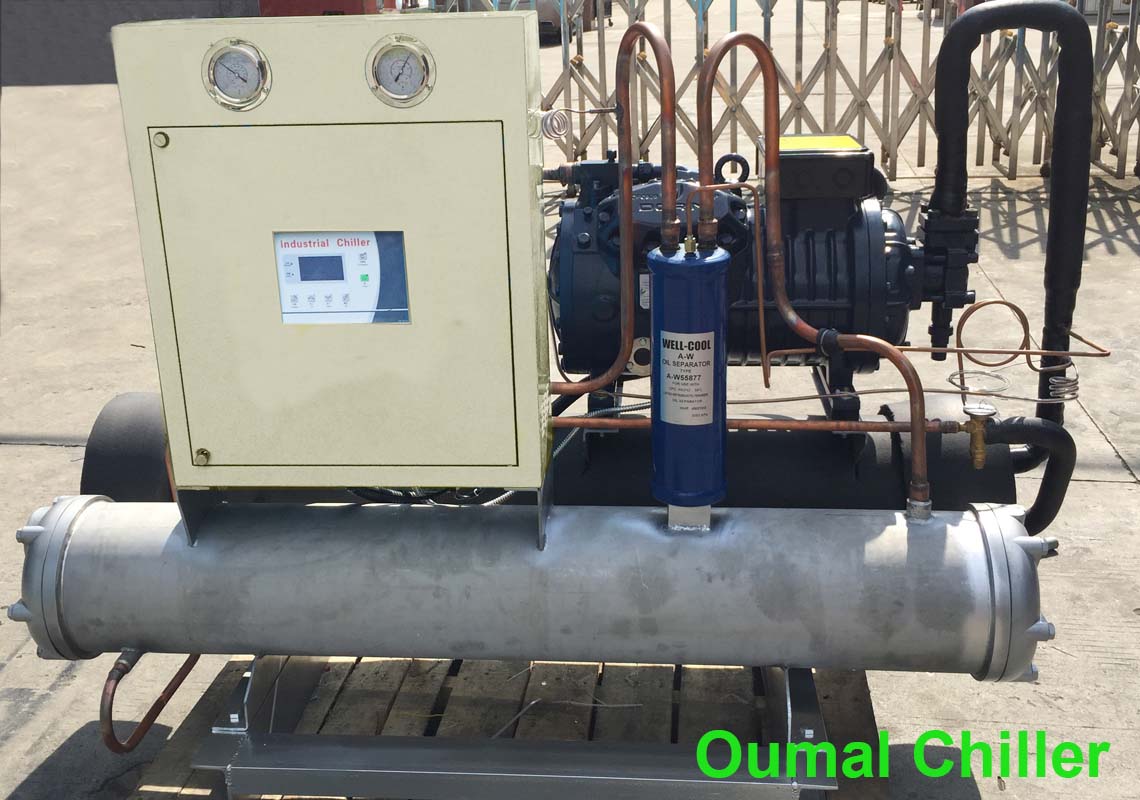
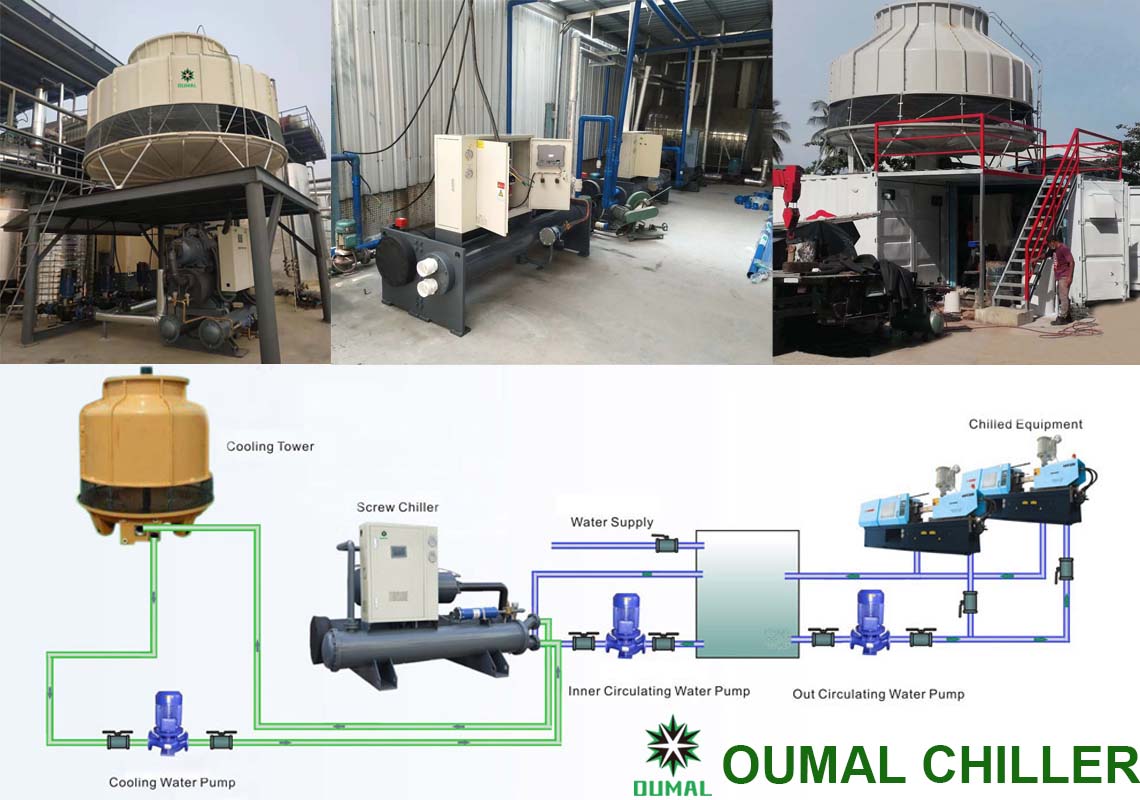
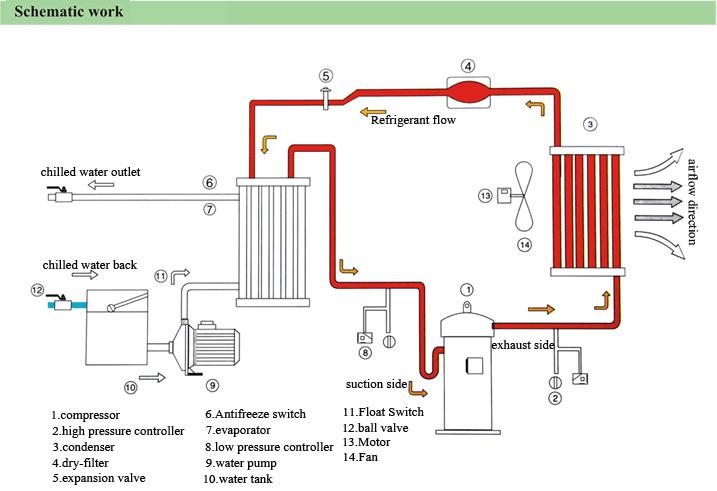
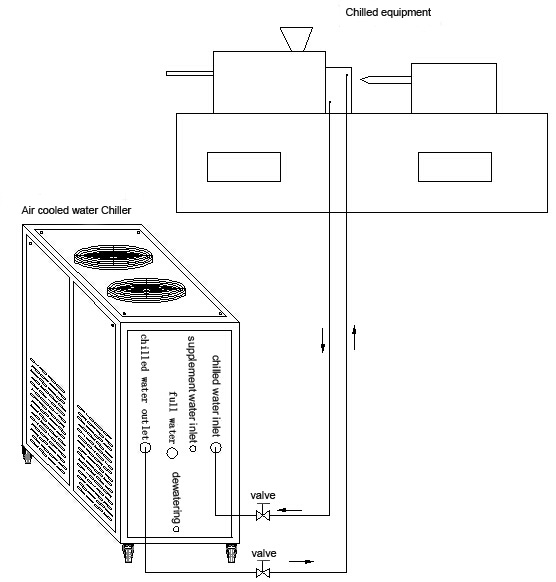
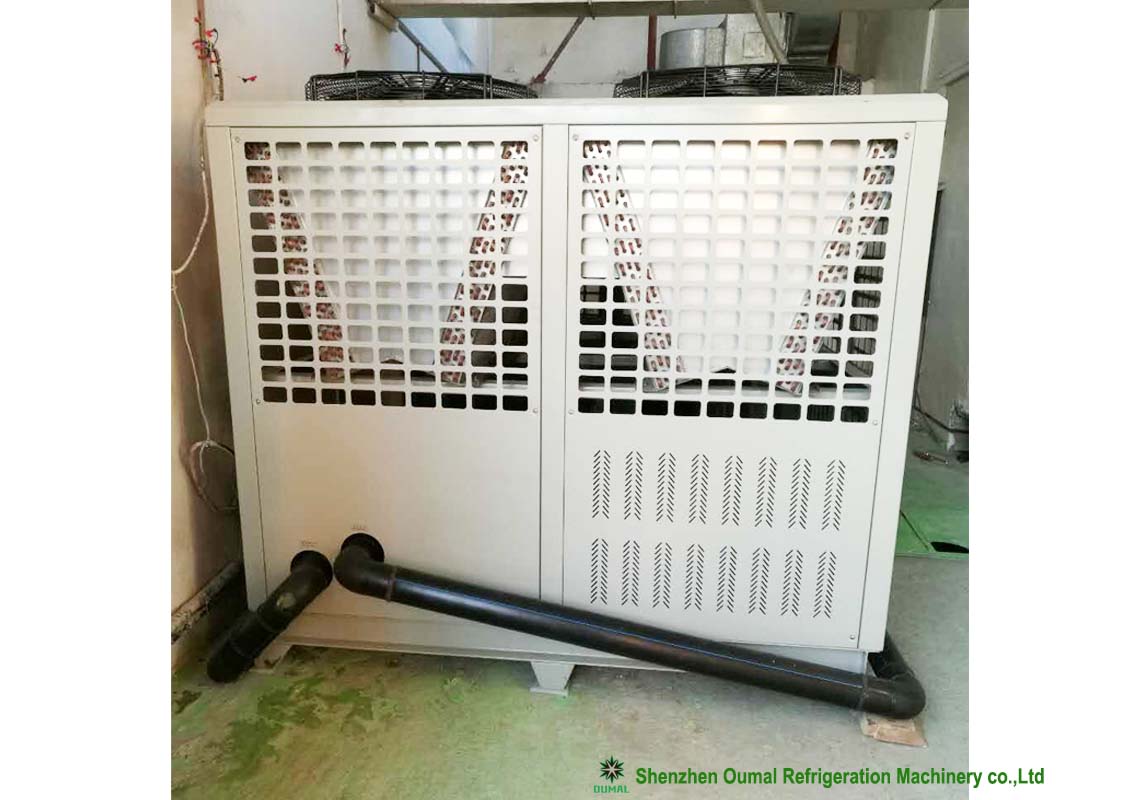
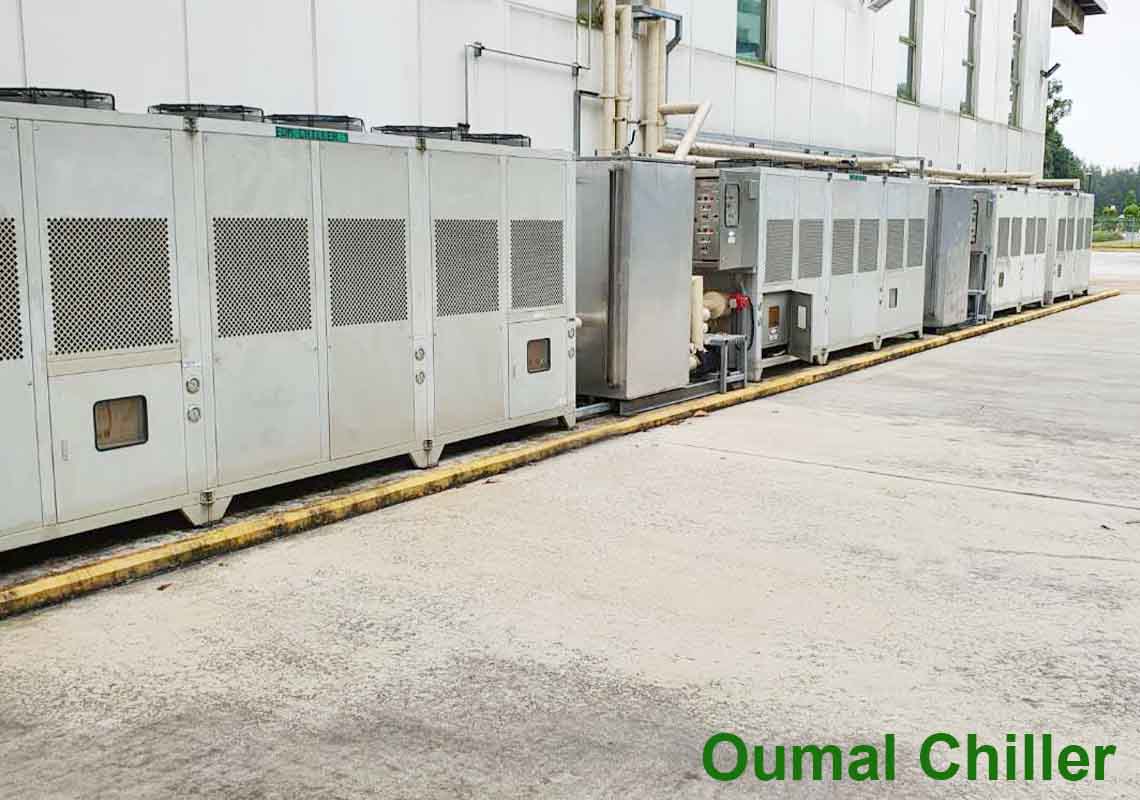
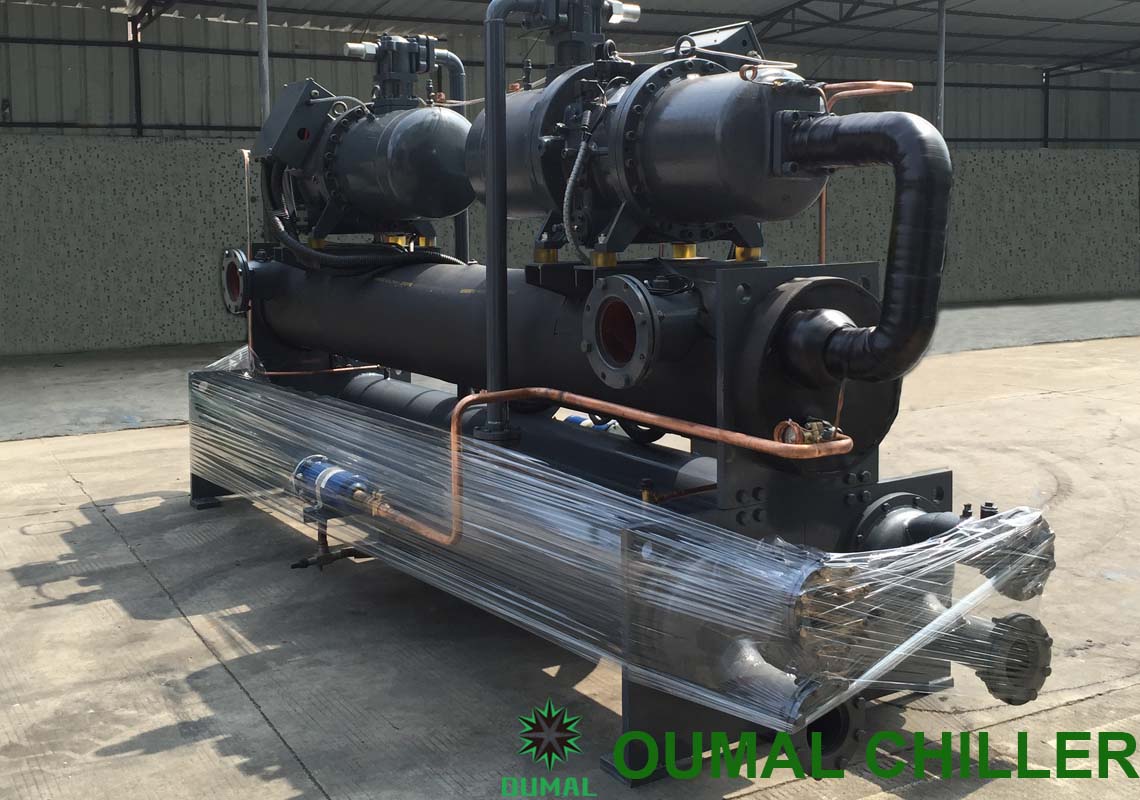
Water-cooled screw chillers are widely used in industrial cooling water systems and commercial central air conditioning refrigeration. Its normal operation and regular maintenance are essential to ensure the cooling effect of the chiller, extend the life of the water-cooled screw chiller, and avoid unexpected shutdown of the chiller. Next, Oumal Refrigeration will introduce the maintenance points of water-cooled screw chillers in detail to help users better maintain the equipment and ensure its stable operation.
1. Regular inspection: Perform routine inspections to check for leaks, loose connections, or any signs of wear. Check electrical components, refrigerant levels, and water flow.
2. Regular cleaning
External cleaning: Regularly remove dust and dirt from the outside of the unit, keep the surface clean to ensure heat dissipation, use a soft cloth or vacuum cleaner for cleaning, and avoid using water or chemical cleaners.
Internal cleaning: Regularly check the inside of the condenser and evaporator to remove any dirt or impurities that may have accumulated. Professional cleaning agents and tools can be used to ensure internal cleanliness and prevent blockage.
3. Check the cooling system
Cooling water: Check the quality and concentration of cooling water regularly to ensure that it is within the recommended range. If the cooling water is contaminated or the concentration is too high, it may cause scaling or corrosion in the system.
Water pumps and pipes: Check the operating status of the water pump to ensure that it is operating normally. Check the pipes for leaks or blockages and repair them in time.
4. Check the filter: Clean or better the filter regularly to prevent blockage, which reduces airflow and cooling efficiency. Check the lubrication level and ensure that the bearings and moving parts are fully lubricated as recommended by the manufacturer. Check the control settings, sensors and safety devices regularly to ensure their normal operation.
5. Check the refrigeration system
Refrigerant: Check the amount and pressure of refrigerant regularly to ensure that it is within the normal range. If a refrigerant leak is found, contact a professional immediately for repair.
Compressor: Check the operating status of the compressor, pay attention to whether there is any abnormal noise or vibration, and lubricate and maintain the compressor regularly to ensure its normal operation.
6. Electrical system inspection
Wires and cables, check the integrity of wires and cables to ensure that there is no damage or aging, and check whether the wiring is firm to avoid looseness and poor contact.
Control system: Check the operating status of the control system to ensure it is normal, and regularly calibrate and maintain the control system to ensure its accuracy and stability.
7. Record keeping: Keep detailed records of maintenance activities, repairs and maintenance plans. This information helps track the long-term performance of the chiller and helps troubleshoot potential problems.
The following is the recommended maintenance schedule for screw water-cooled chillers by Oumal chiller.
Check the compressor lubricating oil level
monthly
Check the water flow of the circulating water system
monthly
Check voltage and power supply
monthly
Check the tightness of wire connections and electrical insulation
Every 3 months
Check and adjust the temperature setting
Every 3 months
Check the filter drier
Every 3 months
Cleaning the heat exchanger and water tower
Every 3 months
Replace the compressor oil filter
40000Hours
The maintenance of water-cooled screw chillers is the key to ensuring the normal operation of the equipment and extending its service life. By regularly cleaning, checking the cooling system, refrigeration system and electrical system, and paying attention to other matters, users can effectively maintain the equipment and reduce the failure rate. It is recommended that users cooperate with professional maintenance personnel to perform regular professional maintenance to ensure the popular operating status of the equipment.
This article analyzes the system architecture and technical characteristics of rapid temperature change test chambers, by systematically studying the technical parameters and functional design of key components, it provides theoretical guidance for equipment selection and process optimization.
1.Technical Principles and System Architecture
Rapid temperature change test chambers operate based on thermodynamic transfer principles, achieving nonlinear temperature gradient variations through high-precision temperature control systems. Typical equipment can attain temperature change rates ≥15℃/min within a range of -70℃ to +150℃. The system comprises four core modules:
Conclusion: With increasing reliability requirements in advanced industries, future development will emphasize intelligent operation, high precision, and multidimensional environmental simulation. Subsequent research should focus on integrating equipment with product failure mechanism models to advance environmental testing from verification to predictive analysis.
In the field of industrial manufacturing that pursues efficiency, precision and innovation, the BOLT VII 6025 dedicated laser cutting machine is leading a new round of changes in plate processing with its excellent performance and wide range of applications. This cutting tool that combines high technology and practicality is designed to meet the high-precision processing needs of large-format and thick plates in modern industry, making every cut a perfect interpretation of precision and efficiency.
Go beyond the limit and control large-format thick plates
The pentalaser BOLT VII 6025 laser cutting machine, with its powerful 20kW laser power, can easily control a variety of materials such as carbon steel, stainless steel, aluminum alloy and electrolytic plates. It is particularly good at processing large-size plates with a length of no more than 6 meters and a width of no more than 2.5 meters. Even when facing thick plates, it can handle it with ease and show extraordinary cutting ability. Its unique design concept makes the processing of large-format thick plates no longer a problem, but a stage to demonstrate technical strength.
Intelligent sensing ensures consistent quality
The cutting head is equipped with an innovative non-contact sensor device, which is another highlight of the BOLT VII 6025 cutting machine. Under the precise control of the system, this precision device realizes the flexible floating of the Z axis, effectively copes with the slight unevenness of the plate surface, directly eliminates the cutting error caused by it, and ensures the accuracy and smoothness of each cutting line. This intelligent adjustment capability not only improves the processing quality, but also greatly reduces the cost and time of post-processing, allowing production efficiency and product quality to leap forward simultaneously.
Heavy-duty workbench, unlimited carrying capacity
The maximum load capacity of the workbench reaches an astonishing 12242kg, providing solid and reliable support for the processing of heavy plates. Whether it is the cutting of large mechanical parts or the precise cutting of building materials, the BOLT VII 6025 laser cutting machine can easily cope with it, showing strong carrying capacity and stable working performance.
In the tide of intelligent manufacturing, the BOLT VII 6025 special laser cutting machine has become an ideal choice for many industry users with its excellent performance, intelligent operation and wide range of applications. It not only improves production efficiency and reduces production costs, but also adds unlimited possibilities to product processing with its excellent quality. In the future, with the continuous advancement of technology and the continuous expansion of applications, the BOLT VII 6025 laser cutting machine will surely shine in more fields and lead a new chapter in industrial cutting.
CNC (computer numerical control) has changed the face of the manufacturing industry by automating the motion of factory tools and machinery using pre-programmed software. It has changed the process of how components are manufactured where all the three-dimensional cutting jobs can be done with the help of a single set of prompts. CNC routers and CNC milling machines are two of the more popular types of CNC machinery that manufacturers can consider for their workshop or manufacturing facility.
To assist your decision on that matter, this article compares the characteristics, applications, and suitability of CNC routers vs milling machines. This comparison will serve as your comprehensive guide to understand the nuances of each tool, whether you are a hobbyist seeking to optimize your workshop or a business owner aiming to strengthen production capabilities.
What is a CNC Router?
Generally, a CNC router is a computer-controlled cutting machine that is primarily used for softer applications. It acts like a normal hand held router, but with the added advantage of being able to computer control it, which minimizes the possibilities of cutting errors by small percentages. These machines are powerful tools that can slice, engrave, carve, and shape different materials with great efficiency and precision.
Key Features
Common characteristics of CNC routers are:
● High-RPM Spindles: CNC routers don't simply run higher RPMs than milling machines, they run much faster feed rates as well, meaning less time will be spent cutting. With a high-speed operation, they're well suited for softer materials.
● Gantry Style: Most CNC routers fall under the gantry-style design, where the cutting head moves over a stationary workpiece. Having two vertical columns on each side with the cutting tool spanning a horizontal frame, this design is perfect for working on large sheets of material.
● Multi-Dimensional Axis: CNC routers usually can move in 3 to 6 axes. Standard 3-axis machines can cut up and down (Z-axis) as well as in the X and Y direction, while more advanced 4-axis and 5-axis models can cut rotationally, coming in from other angles to create more intricate designs.
● Larger Work Area: In general, CNC routers have a larger cutting space, making them very convenient for working with sheet materials as well as for large format objects.
● Material Compatibility: CNC routers are typically designed for softer materials like wood, plastics, foam, composites, and softer metals such as aluminum and magnesium.
What is a CNC Milling Machine?
CNC milling machines are heavy-duty, computer-operated cutting tools for machining harder materials with high precision. Unlike routers, which prioritize cost and speed, milling machines are designed for strength and rigidity and can handle heavier cutting operations with impressive precision.
● Rigidity: CNC mills are built with a heavy-duty, permanent frame that allows them to perform highly vertical and horizontal cutting. This inflexible construction enables them to process more resilient materials while ensuring the utmost precision.
● Low-Speed High-Torque Spindle: A CNC mill uses a spinning spindle like a router except that it only spins between 1,000 to 20,000 RPM compared to a router. These industrialist titanium cuts give them the ability to make shallower cuts in harder things, but without sacrificing accuracy
● Multiple Axes: Basic CNC mills work on 3 axes while more advanced models can have up to 12 axes of movement. Such a wide range of motion allows complex machining that is impossible with simpler equipment.
● Precision: CNC mills are only the same CNC machines that can be designed with precision and dimensional accuracy in mind, making design projects with tight tolerances and intricate designs perfect for doing.
● Material Compatibility: CNC milling machines can cut harder materials, they are perfect for cutting metals (steel, titanium, stainless), plastics, and composites. They could offer the services to cut these materials at a high speed all without losing precision and accuracy.
Key Differences Between CNC Router and Milling Machine
Design and Structure
CNC routers are generally built in lightweight, gantry configurations, with the cutting head moving over a stationary workpiece. This involves two vertical columns on either side of the cutting tool, which moves along a horizontal framework. It is less rigid than a milling machine and thus has considerably lower precision capabilities, however is much faster and has a much larger area of operation.
CNC milling machines are designed with a robust, cast iron or steel framework that ensures exceptional rigidity and stability when in operation. They have a fixed frame and a movable workpiece for vertical and horizontal cutting.
Material Compatibility
CNC routers are made to cut softer materials. They shine at cutting wood, plastics, foam, composites, and soft metals — aluminum and magnesium. They can also work quickly, which is ideal for processing these materials without excessive heat or damage.
Due to this fact, CNC milling machines are designed to work with much hard and inflexible materials. They are able to process steel, stainless steel, titanium, copper, and other solid metals that would harm or damage a CNC router. Different sorts of metals like aluminum and steel are too hard for regular routers to do a good job because they will go deep while CNC routers won't.
Precision and Accuracy
The CNC router has a relatively good precision that is sufficient for many applications (it is usually not comparable to a milling machine). They have a less rigid construction and higher operating speeds that result in increased vibration and a propensity for deflection during cutting operations.
They offer much higher precision and accuracy compared to CNC milling, which makes them great for complex geometries and intricate designs. Their inflexible construction minimizes vibration and tool deflection, making for extremely precise cuts within tight tolerances. CNC mills use more advanced control systems that allow the cutters to move very precisely over rigid structures.
Speed and Torque
CNC routers run at much higher RPM than milling machines (18,000–24,000+ RPM). During high-speed operations, feed rates are high and material removal is rapid within soft material. However, the rotary cutters of CNC routers provide less torque, making them less effective for deep cuts in hard materials.
While CNC milling machines turn at slower RPM than routers, they offer much greater levels of torque. This enables them to make deeper, more aggressive cuts in harder materials without stalling or damaging the cutting tools. Because CNC mills operate at lower speeds with high torque, they are more efficient at removing large quantities of material from tough workpieces.
Cutting Area and Z-Axis Depth
Since CNC routers have a larger cutting area than milling machines, so they are mostly used to process large sheets of material. The expanded work envelope enables both the manufacture of larger components and the concurrent production of multiple, smaller parts. That said, a CNC router does tend to have a shallower Z-axis travel depth meaning that although routers are great at processing standard material width quickly, the overall thickness of material they can adequately process is thinner with shallower depths and usually less appropriate for cuts with depth.
The smaller cutting area of CNC milling machines especially when compared to routers limits the workpieces that they can accommodate. They replace this limitation with a much larger travel capability in the Z-axis. These CNC mills can work with thicker materials and make deeper cuts, which is crucial for many metalworking applications.
Cost and Maintenance
CNC routers are usually cheaper and easier to maintain, but they do have residual dust and swarf that need regular cleaning, especially when used for cutting wood.
CNC milling machines require a considerable initial investment owing to their rugged design, sophisticated technology, and accuracy. They also have much higher operational costs, associated with costlier tooling, higher power requirements, and more frequent maintenance. CNC mills require more maintenance since they work with tougher materials and at higher stress levels.
Applications and Use Cases
CNC Router Applications
CNC routers can be found in a number of industries and offer a versatile and efficient method for shaping softer materials. Some common use cases include:
● Woodworking: CNC routers perform exceptionally well in woodworking applications, such as producing drawer fronts, drawers, shelves, countertops, and cabinet doors.
● Sign Making: CNC routers are heavily utilized in the sign industry to cut signs out of different materials like plastic, foam, wood, bronze, and aluminum. With 3D capabilities, sign makers can create signs with dimension and texture.
● Modeling and Prototyping: Working in plastics, wood, foam and aluminum to build models and prototypes for product development.
● Music Instruments Sector: Production of musical instrument parts with a high level of repeatability and high precision resulting in customized musical instruments with distinct requirements.
● Exhibition & Display: Collaborating for custom tradeshow & exhibition works using acrylic, vinyl, glass, and wood.
CNC Milling Machine Applications
Industries that require precision machining of tougher materials to exact tolerances rely heavily on CNC milling machines. Their applications include:
● Aerospace: Fabricating aeronautical parts out of materials such as titanium and aluminum, where high precision and light-weighting durability is important.
● Automotive: Parts such as cylinder heads, drive axles, suspension parts, exhaust parts, and gearboxes can all be made with the efficiency and precision the automotive industry requires.
● Medical Devices: Manufacturing precision parts for medical devices and implants where tight tolerances and biocompatible materials are essential.
● Electronics: Making precision housings, heat sinks, and other components for electronic devices.
● Mold Making: This includes the creation of complex molds for injection molding and other forming processes, wherein precision directly impacts the quality of the end products.
● General Manufacturing: Manufacturing of common components like gears, shafts, nuts, bolts, flanges, etc., used in a variety of industrial applications.
CNC Router Pros and Cons
Pros
Speed and Efficiency: For machining certain materials, CNC routers can be much faster than other technologies, enabling quick and efficient production times and higher throughput.
Lower Start-Up Cost: CNC router machines generally have a lower start-up cost than milling machines, making them more attainable for small businesses and hobbyists.
Flexible for Soft Feed Material: Great for cutting wood, plastics, foam, and mild metals like aluminum.
Continuous Operation: Once running, operates continuously for indefinite periods with minimal to no loss of accuracy or scalability at no extra cost.
Cons
● Limited Material Joules: Of lower torque and less rigid construction, making it less effective with harder materials (like steel or titanium).
● Less Precision: CNC mills are far superior for complex jobs that require accuracy and tight tolerances.
● Dust and Residue: They create a lot of dust and residue and will need to be effectively extracted.
CNC Milling Machines Pros and Cons
Pros
● High Precision: High accuracy and tight tolerance ability to manufacture complex components.
● Material Versatility: Machinable on a variety of materials, including but not limited to soft aluminum to hardened titanium and stainless steel.
● Sturdy build: The rigid design limits vibration and minimizes deflection, which gives developers superior surface finishes and dimensional accuracy.
● More Z Axis Depth: More significant material removal and allows thicker stock.
● Complexity in Geometry: Force vector path multi-axis capabilities make possible the production of complex 3D shapes and textures.
Cons
● Invest More Money: Much higher upfront costs than CNC routers.
● Operates Slower: In some applications, machining times would take longer due to lower RPM operation.
● Reduced Work Envelope: Generally, has a smaller workpiece limit than the larger bed size of CNC routers.
How to Choose Between a CNC Router and Milling Machine
Material Type
The materials you plan to work with should be a primary consideration in your decision.
● Choose a CNC router if you'll primarily be working with wood, plastics, foam, or soft metals like aluminum.
● Opt for a CNC mill if your projects involve harder metals like steel, stainless steel, or titanium, or if you need to machine materials with exceptional hardness.
Project Size and Scope
Consider the dimensions of your typical workpieces.
● A CNC router is preferable if you need a larger work surface for processing sheet materials or creating large-format items.
● A CNC mill might be better if your projects are smaller but require deeper cutting capabilities or more complex three-dimensional features.
Precision Requirements
Assess how critical dimensional accuracy is for your applications.
● If your projects can tolerate moderate tolerances and don't require extremely fine details in hard materials, a CNC router may be sufficient/
● If you need tight tolerances, superior surface finishes, or intricate features in tough materials, a CNC mill is the better choice.
Budget Constraints
Consider both initial investment and ongoing operational costs.
● CNC routers offer a lower entry point and generally less expensive operation, making them suitable for businesses with limited capital or those just starting out.
● CNC mills represent a larger investment but may provide better long-term value for applications requiring their specific capabilities.
Production Timeline
Think about your production speed requirements.
● CNC routers operate at higher speeds and can process softer materials more quickly, making them advantageous for higher-volume production of appropriate items.
● CNC mills work more slowly but can handle materials and operations that routers cannot, so the timeline must be balanced against capability requirements.
Conclusion
Hope this article helps you in your selection between CNC Router and Milling Machines based on your manufacturing requirements, material, precision, and budget. In this comparison, we have shown you the main differences between these two CNC technologies.
Have questions about CNC machines? Exploring the right option for your specific application is crucial, and consulting with industry professionals can provide valuable insights tailored to your unique requirements. Consider reaching out to manufacturers or visiting showrooms to see these machines in action before making your final decision.
The automated manufacturing tool known as Computer Numerical Control (CNC) operates through programmed code instructions to shape and cut materials including metal, wood, foam and plastic. The process of learning CNC equipment setup and operation requires both study and practice yet basic CNC mastery enables both hobbyists and professionals to create precise parts efficiently.
This guide provides step-by-step education for beginners who lack CNC experience through detailed explanations of standard CNC workflow preparation and programming and machining and maintenance procedures. The article provides essential information about CNC terminology and equipment components and safety protocols which every CNC operator must learn.
What is a CNC Machine?
CNC machines operate as automated milling and routing tools with drilling and cutting capabilities which use computerized controls to transform stock materials into custom parts and designs. The automation of manual machining operations through CNC systems delivers enhanced precision and speed together with repeatability and complex capabilities beyond what human craftsmen could achieve.
The main CNC machine categories consist of milling machines, lathes, routers, laser cutters and plasma cutters. Advanced 5-axis CNC machines have the capability to execute complex three-dimensional cutting operations. The majority of CNC machines used by hobbyists function as vertical milling machines with adjustable beds or small routers.
Common Types of CNC Machines
● CNC Mill - A versatile computer controlled vertical milling machine center, typically with a movable table or bed that the workpiece is secured to. Common configurations are 3-axis (X, Y, Z motion) and 5-axis (with rotary axes) controlled.
● CNC Router - A gantry style machine that moves a spindle over a stationary table and is ideal for routing wood or soft materials. Z-axis is controlled, allowing intricate 2D and 2.5D shapes.
● CNC Lathe - Highly rigid and accurate computerized turning center that rotates the part while the cutting tools move radially to cut complex patterns on the sides of the workpiece.
● CNC Plasma Cutter - Uses a digitally controlled plasma arc to melt and cut electrically conductive materials like stainless steel or aluminum. Tolerances down to 1mm.
● CNC Laser Cutter - A CO2 laser beam burns through sheet stock by either vector cutting outlines or rastering patterns. Ideal for precise, clean cuts in wood, acrylic, fabrics, and paper.
● CNC Waterjet - An extremely high pressure stream of water with abrasives cuts through metal, glass, foams, plastics, and composites along a programmed path with zero heat damage or fumes.
Key Components and Terminology
It's vital to understand the physical components and motion capabilities of a CNC machine before attempting operation:
● Axes - The moving directions labeled X, Y, Z that the tool or part can be positioned along using coordinated motion control.
● Spindle - The electric high speed motor that rotates the cutting tool or bit at RPMs sufficient for machining.
● Collet - The clamping chuck on the machine's spindle that grips and secures the cutting tools.
● Gantry - The bridge assembly that allows movement of spindles or material over the workspace below.
● Working Envelope - The maximum part size capacity based on the machine's travels along each axis.
● Controller - The computer and monitor that converts CAM-generated G-code into electrical signals that command axis stepper motors.
● Stepper Motors - Precise digital actuators that can position the axes or spindle speed based on input pulses.
Preparation Before Using a CNC Machine
A CNC device requires proper setup before turning on the power for any cutting operation to proceed safely. The failure to properly set up the machine and workspace creates risks that range from equipment damage to serious injuries from flying debris and sparks and other potential hazards.
Safety Precautions and Gear
You should examine both the operational manual and risk assessments for the CNC model you operate because it contains unique hazards. General safety tips include:
● Protect your eyes with safety glasses and your ears with ear protection and wear shoes that cover your entire foot while operating equipment.
● Check for machine stability before adjusting the leveling feet when operating on an uneven floor surface.
● The work area must have open pathways for access and no slippery surfaces should exist.
● Long hair should be secured and all loose clothing and jewelry and other objects must be removed to prevent them from getting trapped in machine parts.
● Keep a first aid kit and fire extinguisher easily accessible in the work area.
● The machine operator needs to install methods that reduce risks according to the machine specifications and material cutting requirements.
Understanding the Blueprint or CAD Design
CNC machining requires a digital design file generated from CAD software which defines the desired part geometry. Common file types are .DXF files or CAM specific files with toolpath information. The operator must fully understand the critical dimensions, geometries, any datum references or other specifics called out in the blueprints or models before attempting to replicate them physically.
Pay attention to fine details regarding necessary hole sizes, surface finishes, tolerances, or notes clarifying setup instructions or machining steps. Planning may be required for necessary fixture creation or workholding choices as well.
Choosing the Right Material and Tools
The raw material blanks must match the type and dimensions specified in the cutting plan. Ensure adequate stock is available for the entire job or production run with consideration for potential scrap and defects needing discarded. Stable sheet goods should be flattened if warped to allow proper holding.
Selecting suitable cutting tools is also mandatory for efficient material removal without tool failure or damage risk. Consider factors like these when tooling up:
● Flute count, helix angle, length, diameter based on optimum chip loads
● Tool coating durability for the specific material hardness and run durations
● Insert shape and angle tuned for effective shearing action
● Tool stick out constraints to minimize vibration and deflection
Sharp and undamaged tooling is essential for clean, accurate cuts and optimized machine performance.
Step-by-Step Guide to Operating a CNC Machine
Once the necessary safety steps have been performed and the job has been programmed and tooled up for, the hands-on CNC operation can commence. The following procedural checklist summarizes the key usage steps that typical small-scale CNC workflows follow from power-on to finished parts.
Step 1: Setting Up the Machine
Locate the master electrical disconnect switch and set it to "ON" to energize the device. Then toggle the operational power button to initialize the control panel and operating system. Stepper motors will likely need to index their positions as part of this startup synchronization.
Per manufacturer guidance, certain critical machine components may require time to reach steady-state operating temperatures before cutting begins. Spindle bearings, ballscrews, and electronics need proper heat levels and lubricant viscosity to function accurately and reliably.
Step 2: Securing the Workpiece
Degrease and clean the table surface or subplate where workpieces will be mounted. Select appropriate vises, clamps, toe clamps or custom fixturing solutions to securely hold parts in place while managing chip and coolant runoff.
Improperly aligned parts risk tool strikes, dimensional errors, unwanted vibration and other technical issues. Confirm with indicators like dial test indicators that the workpiece is both immobile and precisely oriented relative to the machine zero position.
Step 3: Loading the CNC Program
.NC files contain numerical control instructions to direct machine movements and functions. Other extensions like CNC or TAP also store coded cutting data. CAM software converts 3D models to G-code toolpaths automatically.
Use USB drives, Ethernet networks or the controller interface to upload program files created offline into the CNC system's memory storage location. Verify the proper file name and storage path to avoid operational issues.
Step 4: Tool Setup and Calibration
Carefully insert cutting bits fully into the machine's collet or chuck, avoiding contact with the delicate flutes. Tighten to appropriate torque specifications with matched wrench sizes.
Input or digitize each tool's radial dimensions and tip length values to record into the tool library offset register. This allows compensation for differences during program run time.
Trial actual hole drilling, surfacing or profile cutting to dial-in and validate entries. Continually refine offset data until satisfied with tool behavior before starting final program.
Step 5: Setting Machine Zero
The CNC controller orients all commanded positioning, rapid moves and cutting passes to a defined coordinate system tied to the workpiece location and stock boundaries.
Instruct the machine to travel to touch off points helping correlate the vise or fixture coordinates to the workspace axis positions reported. This "zeroing process" syncs the programming perspective to actual tool tip placement.
Step 6: Dry Run and Simulation
Always simulation full G-code program execution at rapid speeds without engaging cutting. Seriously risk and liability reduction step to validate positioning, catch any crashes.
Many advanced CNC controllers include a realistic 3D graphical environment rendering the entire machining sequence. Use to help visualize program behavior.
Step 7: Executing the Machining Process
With a proven, vetted toolpath program now loaded, carefully begin the full production run. Monitor constantly for any alarm conditions or abnormalities requiring an immediate feed hold or full stop. No unattended operation.
Control feed rates, spindle speeds and other critical parameters must match both program settings and equipment capacities to achieve target finish quality and prevent tool breakage. A conservative approach is smart initial practice.
Step 8: Finishing the Process
Upon fully completing all encoded operations without any axis overtravel errors, the CNC machine will signal job done status. Inspect finished part inside the machine before removal.
Carefully remove workpiece from fixture or vise without damage after power disabled. Also clear tool debris and machining detritus from moving components near way covers to prevent accumulation.
Post-Processing and Quality Checks
Deburring and Surface Finishing
Manually reviewed the machined workpiece for any remaining burrs, casting flash or undesirable surface inconsistencies needing improvement using bench grinding or sanding techniques. Edge rounding helps strengthen components against crack propagation as well.
Dimensional Inspection and Tolerances
Confirm all critical to function dimensions and 3D geometries match engineering requirements and product specifications before proceeding to secondary operations or customer delivery. Record data trends.
Common Errors and Troubleshooting
Pay close attention to these known CNC machining fault modes when inspecting finished pieces for accuracy:
● Chatter marks - Insufficient rigidity during cutting passes
● Tapered walls - Improperly trammed or aligned machine axes
● Steps in floors - Dull cutters with reduced chip loads
● Overcut radii - Excessive tool stick out and deflection
Thoughtfully tune operating parameters and mechanical adjustments until achieving satisfactory tolerance and surface finish capability. Eliminate the root cause - don’t just treat one-off symptoms.
Maintenance Tips for CNC Machines
Consistently performing scheduled preventative maintenance extends the productivity and lifespan of CNC equipment. Follow the OEM recommendations for cleaning methods, lubricants, and component replacement intervals.
Daily, Weekly and Monthly Checklists
● Blow off metal chips and debris near moving components using compressed air after operations
● Vacuum coolant tanks and chip conveyors to avoid clogging sensitive pumps and tooling
● Check machine structure bolts for any loosening due to vibration
● Lubricate linear rails, ballscrews and gear cases per guidance
● Inspect machine wiring for rodent or moisture damage
Tool Wear and Replacement
Replace or resharpen cutting bits immediately once tolerances start to suffer or finish quality degrades. Worn tools increase heat and forces, accelerating component fatigue. Proactively managing tooling condition prevents damage cascades.
Software and Firmware Updates
Import updated G-code postprocessors, machine interfaces and motor control firmware from vendors when available to fix bugs and unlock new capabilities. However, carefully test any revisions adequately before relying upon for production.
CNC Programming Basics (Optional for Beginners)
While generating optimized toolpaths from CAD files involves specialty CAM software expertise, beginners can start learning fundamentals with these concepts:
Intro to G-Code and M-Code
These instruction sets use alphanumeric formats to control axes motion, spindle actions, coolant states and other CNC functions. Mastering code structures helps operators program manually or troubleshoot files.
CAM Software Overview
Powerful interface programs like Fusion 360, MasterCAM and SolidWorks translate 3D models into machining operations, accounting for fixtures, tools and stock. The output is simulatable G-code.
Editing and Optimizing CNC Code
Understanding how to modify speeds, feeds, tool selections within code files allows refining cycle times, quality factors and tool loads. But changes can also introduce new problems if unfamiliar with underlying calculations.
Conclusion
Learning to safely and efficiently operate CNC machining centers requires studying key concepts like coordinate systems and G-code programming before attempting cutting. Additionally, properly preparing raw materials, creating fixtures, and selecting suitable cutting tools are all vital for success.
Carefully stepping through important procedures like defining machine zero, mounting workpieces, loading programs, and calibrating offsets will build core competencies over time. Gradually implement speeds and feed rates that optimize cycle times without compromising finish quality or accuracy.
Consistently maintaining CNC equipment and inspecting parts for errors allows continually dialing in tolerances and surface finishes towards optimum performance. Mastering these fundamental principles of CNC usage is challenging but very rewarding.