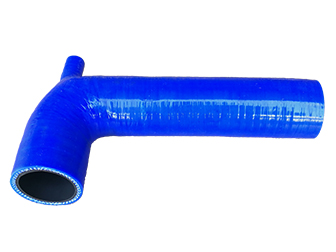
Selecting a hydrogen fuel cell hose involves more than matching dimensions and material types. Different fuel cell circuits require hoses suited to their specific media and operating conditions.
In this article, “hydrogen hose” is used as a shortened term for “hydrogen fuel cell hose.” It refers to silicone hoses used in hydrogen fuel cell systems for applications such as fuel supply, air intake, and thermal management. It does not refer to every type of hose used for high-pressure hydrogen storage or dispensing.
For OEM purchasing teams and engineers, understanding CSA HGV 4.2 and UL 94 V-0 helps clarify what these specifications actually cover. This guide explains their differences and highlights the technical details buyers should verify when sourcing silicone hoses for fuel cell systems.
Key Takeaways
- CSA HGV 4.2 addresses specific compressed hydrogen hose applications and assembly requirements.
- UL 94 V-0 classifies the vertical burning performance of tested polymeric materials.
- A material flammability rating does not establish the compliance of an entire hose assembly.
- Hose selection should reflect circuit function, operating media, and application conditions.
Why Safety Requirements Matter for Hydrogen Fuel Cell Hoses
Hydrogen fuel cell systems use several types of hoses for fuel supply, air intake, and thermal management. Anode lines, cathode lines, and coolant circuits serve different functions, so they should not be evaluated as interchangeable components.
For hoses used in hydrogen fuel supply circuits, a low hydrogen permeation rate is an important safety characteristic. It helps limit hydrogen passing through the hose wall and reduces the potential for gas loss into the surrounding environment. This is particularly important because hydrogen is highly flammable and requires careful control throughout the fuel delivery system.
Fuel-related applications require attention to the intended gas service and system conditions. Air-side hoses must suit their operating environment, while coolant lines need appropriate resistance to the specified cooling medium. Material cleanliness is also important because substances released from hose materials may affect sensitive fuel cell components.
Understanding CSA HGV 4.2 for Hydrogen Hose Applications
What Does CSA HGV 4.2 Cover?
ANSI/CSA HGV 4.2-2013 specifies safety requirements for the materials, design, manufacture, and testing of gaseous hydrogen hoses and hose assemblies. Its scope includes defined applications such as dispenser-to-nozzle connections, vehicle onboard fuel storage systems, and low-pressure vehicle fuel delivery systems.
Its requirements apply to specific compressed hydrogen hose applications, not automatically to every hose installed in a fuel cell vehicle.
For fuel cell hose sourcing, buyers should not assume that every hose in an anode, cathode, or coolant circuit falls within the scope of this standard. The intended service and the specific product documentation must be checked against the standard’s requirements.
Why Does the Standard Version Matter?
The 2022 edition, CSA/ANSI HGV 4.2:22, revised the scope to focus on hoses and hose assemblies used to dispense compressed gaseous hydrogen to vehicles. It excludes vehicle onboard fuel storage systems and bulk storage transfer applications.
This distinction matters when reviewing supplier documentation. A reference to the 2013 edition should not automatically be interpreted as compliance with the 2022 edition. Buyers should check the stated version and confirm that its scope matches the intended application.
They should also confirm which hose model, construction, and intended service are covered by the supplier’s compliance statement. A general reference to CSA HGV 4.2-2013 is not sufficient to establish that a particular hose configuration meets the requirements for a specific application.
What Does UL 94 V-0 Mean for Silicone Hose Materials?
UL 94 evaluates the flammability of plastic materials under specified laboratory conditions. V-0 is a vertical burning classification.
During the test, a prepared material specimen is exposed to a controlled flame in a vertical position. The evaluation considers afterflame time, afterglow, and whether flaming particles fall and ignite the cotton indicator below the specimen.
A V-0 classification confirms that the tested material meets the specified criteria. It does not establish the fire performance of the complete hose assembly. The classification applies to the tested material at the specified specimen thickness and under the stated test conditions.
When reviewing this rating, buyers should check the material identification, specimen thickness, and supporting test information rather than relying on the rating alone. They should also confirm that the tested material corresponds to the material used in the quoted hose construction.
CSA HGV 4.2 vs. UL 94 V-0: What Is the Difference?
Although both specifications relate to safety, they evaluate different aspects of hose and material performance.
| Comparison | CSA HGV 4.2 | UL 94 V-0 |
| Main focus | Compressed hydrogen hose applications | Material flammability |
| Evaluation subject | Hose or hose assembly | Tested material specimen |
| What it addresses | Design, construction, and testing requirements within its scope | Vertical burning behavior |
| Typical relevance | Defined hydrogen hose systems | Polymeric materials used in components |
The two specifications are not interchangeable. Meeting one does not demonstrate compliance with the other because they evaluate different aspects of hose safety.
What Should Buyers Check When Sourcing Fuel Cell Silicone Hose?
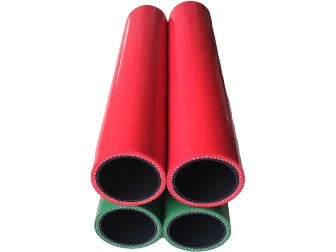
Before selecting a hose, purchasing teams and engineers should review the following factors:
- Circuit function: Confirm whether the hose serves the anode, cathode, coolant, or another connection.
- Media compatibility: Check whether the inner material suits the actual gas, air, or coolant.
- Operating conditions: Review temperature, pressure, flow requirements, and installation environment.
- Material performance: Verify relevant flame-retardancy requirements and supporting material information.
- Standard applicability: Check the exact edition and product scope behind each compliance statement.
When reviewing supplier claims, request the relevant compliance declarations, test reports, material identification, and specimen thickness where applicable. Confirm that the documents correspond to the actual hose model, material formulation, reinforcement structure, and specifications being quoted, not simply to a similar material or a different product configuration.
Silicone Hose Solutions for Hydrogen Fuel Cell Systems
Hydrogen fuel cell systems require different hose constructions for fuel supply, air intake, and cooling circuits. Material selection should reflect the operating conditions and media involved in each application.
RAINBOW Manufacturing lists several material and performance considerations for its hydrogen fuel cell silicone hoses:
- Low volatile compounds: Low volatile emissions help reduce the potential for material-related contamination of sensitive fuel cell components, including sensors and membranes.
- Flame performance: The product identifies UL 94 V-0-level fire performance.
- Electrical properties: Electrical surface resistance is identified as a relevant property of these silicone hoses. The required value should be confirmed against the specific application and supporting product documentation.
- Cooling-water compatibility: Resistance to high-purity cooling water is important in fuel cell thermal management systems.
Rainbow also identifies ANSI/CSA HGV 4.2-2013 and EN 45545 in its compliance information. Buyers should verify the relevant compliance declarations and supporting test documents for the specific hose construction and intended circuit before treating either standard as a requirement met by an individual product.
If you are specifying hoses for fuel cell anode, cathode, or coolant circuits and need to confirm which standards and test documents apply to your application, our technical team can help. Share the circuit function, operating media, temperature and pressure range, and target standards, along with any drawings or samples. We will review these requirements against the documentation available for the relevant hose construction.
Frequently Asked Questions
What Factors Affect the Service Life of Hydrogen Fuel Cell Hoses?
Several factors can influence hose service life, including operating temperature, pressure fluctuations, vibration, media compatibility, and installation conditions. Repeated thermal cycling and mechanical stress may contribute to material deterioration over time.
Selecting a hose that matches the operating environment, following the specified installation requirements, and carrying out regular inspections can help reduce premature wear and damage.
How Often Should Hydrogen Fuel Cell Hoses Be Inspected?
Inspection frequency should follow the equipment manufacturer’s maintenance recommendations and applicable service requirements. Operating temperature, pressure fluctuations, vibration, chemical exposure, and installation conditions may also affect inspection needs.
During inspection, check for cracks, abrasion, deformation, leakage, hardening, and damage around connections. Any hose showing signs of deterioration should be evaluated before continued operation.
How Can Improper Hose Routing Affect Fuel Cell System Performance?
Improper routing can place unnecessary mechanical stress on a hose. Bending below the recommended radius, twisting during installation, or contact with nearby components may contribute to deformation, abrasion, or premature damage.
Routing should account for the hose’s minimum bend radius, connection positions, movement, and surrounding components. Proper support and clearance can help reduce mechanical stress and protect hose connections during operation.