头部背景图片

The Importance of Lawn Care

2025-08-07

After six months of growth, grass blades may become covered by other grass, preventing photosynthesis and ultimately leading to wilting. Over time, these wilted blades may mold and decay, with part of it converting into organic fertilizer, while another part may foster fungal growth. In this situation, simply spraying chemicals will not address the root cause of the problem.

The Role of Lawn Aerators

Lawn aerators effectively expand the soil's surface area, increasing contact between the soil and the atmosphere, and promoting gas exchange. This equipment enhances the soil's aeration, water retention, and drainage capabilities, fostering the growth of microorganisms and reducing harmful substances in the soil. Additionally, aeration promotes root development, accelerates the decomposition of thatch and organic debris, improves soil properties, and enhances the soil's response to fertilizers, benefiting soil conservation.

Potential Adverse Effects

While aeration offers numerous benefits, there are also some drawbacks. For instance, aeration may temporarily disrupt the integrity of the lawn's surface, leading to exposed soil and dehydration. It can also exacerbate the damage caused by pests like grubs and, under suitable conditions, promote weed growth.

Working Principle of Vertical Aerators

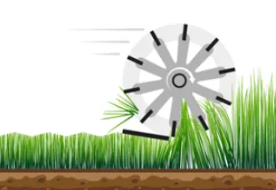
The blades of the aerator move vertically up and down to create holes, ensuring that the aeration holes are perpendicular to the ground and avoiding soil displacement, which improves the quality of aeration. The device is powered by an engine that drives the front wheels, while a crank and link mechanism allows the blades to move vertically. To compensate for the blades not moving forward with the machine after penetrating the soil, a compensation device is installed at the blade mount. When the blades enter the soil, the compensation device pushes the blades in the opposite direction of the machine's forward motion, maintaining the blades' relative stillness to the ground. After the blades are pulled out, the compensation device quickly returns them to position for the next aeration.

This type of aerator is particularly suitable for high-quality aeration in green spaces, such as the putting greens of golf courses. Although its structure is complex and it is costly in terms of energy and production, it effectively enhances the overall health and growth condition of the lawn.

Contact Us

Whether you are a gardener, landscape designer, or lawn maintenance company, our aeration blades are your ideal choice. If you are interested in our products or have any questions, please feel free to reach out to us through the following:

· Websitehttps://www.dxlfgolf.com/

· Mobile: +86 13981920100

· Email2556034587@qq.com / lfgolf888@gmail.com

· Address: Bowang Town, Bowang District, Ma'anshan City, Anhui Province, China


Choose our aeration pins to safeguard your aerator and make your lawn management more efficient and effortless!

Tips & Precautions for Maintaining Your Golf Reel Mower Blade

2025-08-07

A golf sharpener is an essential tool on the golf course✨, and its sharpness directly affects your clubs' performance and effectiveness. Therefore, regular maintenance of your sharpener is a must for every golf enthusiast and professional player! Here are some tips and precautions on how to properly maintain your sharpener📍.

1️⃣ Regular Inspection

Before using your sharpener, always check the blade to ensure there are no chips or dullness. If you find significant wear and tear, it’s time for maintenance⚒️.

2️⃣ Clean the Reel Mower Blade

Before sharpening, clean the blade thoroughly with water and a soft brush to remove any grass clippings and dirt. A clean blade is easier to inspect and maintain 🧼.

3️⃣ Use Professional Tools

When maintaining your sharpener, use professional sharpening tools like sharpening stones or machines🛠️. This will effectively retain the blade's sharpness and prevent damage.

4️⃣ Sharpening Technique

When sharpening, follow the original angle of the blade and maintain consistent pressure during the grind💪. If using a sharpening machine, ensure even speed and pressure to avoid blade distortion.

5️⃣ Test the Blade

After sharpening, use a piece of paper to test the sharpness✂️. If the blade cuts through paper easily, your maintenance was successful!

6️⃣ Blade Care

Once maintenance is complete, it's best to apply a layer of anti-rust oil on the blade to prevent rust and oxidation🌟. Also, store the tool carefully to avoid bumps and pressure.

7️⃣ Regular Maintenance

In addition to checking and maintaining before each use, you should also perform regular comprehensive maintenance on your sharpener to ensure it stays in optimal condition🗓️.

Our company offers high-quality and affordable sharpeners tailored to different models💰, meeting the needs of our customers. Whether you are a professional player or a hobbyist, you can find the right sharpener for you here!

Maintaining your sharpener not only extends its lifespan but also enhances your club's performance. We hope these tips help you better care for your golf tools⛳️!

We offer affordable and high-quality rolling blades --Reel Mower Replacement Blades, ensuring your mower operates efficiently and keeps your lawn well-maintained.

📞 Contact Information:

                         Website: https://www.dxlfgolf.com/

                         Mobile: +86 13981920100

                         Email: 2556034587@qq.com / lfgolf888@gmail.com

                         Address: Bowang Town, Bowang District, Ma'ansha City, Anhui Province, China


Understanding Lawn Mower Blade Design and Maintenance

2025-08-07

Understanding Lawn Mower Blades Lawn mowers are essential tools for maintaining a neat and healthy lawn, and the blade is one of their core components. Understanding the design, types, and maintenance of lawn mower blades, including reel mower replacement blades and Standard Rotary Mower Blades, can help improve cutting efficiency and the aesthetics of your lawn. This article provides a detailed introduction to these aspects.


1. Design of the Blade Lawn mower blades are typically made from high-strength steel, offering excellent wear resistance and corrosion protection. This design ensures that the blades remain sharp in various environmental conditions, providing outstanding cutting performance. The shape and angle of the blades are carefully engineered to achieve efficient cutting while minimizing damage to the grass, helping the lawn stay healthy after trimming.


2. Types of Blades Depending on the type of lawn mower, blades can be categorized into the following types:


Straight Blades: This is the most common blade type, suitable for most household lawn mowers, delivering stable cutting results.

Rotary Blades: Some advanced lawn mowers utilize rotary blade designs, including Standard Rotary Mower Blades, that enhance cutting efficiency and ensure a more even cut across the lawn.

Self-Propelled Blades: In some self-propelled lawn mowers, the blades are integrated with the engine's power system, providing greater cutting power suitable for larger areas of grass.


3. Maintenance and Care Maintaining the blades is crucial for ensuring optimal cutting performance. It is recommended to regularly perform the following steps:


Cleaning: After each use, clean the blades of any grass clippings and dirt to prevent buildup that can affect performance.

Sharpening: Depending on usage frequency, regularly sharpen the blades to maintain their sharpness. Dull blades not only reduce cutting efficiency but can also damage the lawn.

Inspection and Replacement: At least once a year, inspect the blades and replace them if there is serious wear or damage to keep the mower running efficiently.


4. Our Advantage As a professional factory manufacturing lawn mower blade accessories, we strive to provide high-quality blades at competitive prices. Our products undergo strict quality testing to ensure each blade operates efficiently under various conditions. With extensive manufacturing experience, we can also customize blades to meet specific customer needs.


For more information, please visit our website or contact us directly! 

Website: https://www.dxlfgolf.com/

Mobile: +8613981920100

Email:2556034587@qq.com / lfgolf888@gmail.com

Address: Bowang Town, Bowang District, Ma'anshan City, Anhui Province, China


We look forward to collaborating with you and providing the best blade solutions for your lawn mower!

Understanding Reel Mowers Precision Cutting for Lawns

2025-08-07

The Stainless Steel Reel Mower Blades, often referred to as a "clipper," functions similarly to scissors and is typically called a "trim." This type of mower is particularly suitable for finely managing lawns, which are commonly referred to as "turf." The mowing process relies on the collaboration between the reel blade and the bed knife: the bed knife remains stationary, acting as the fixed blade, while the reel blade is the moving component.

The reel rotates around a horizontal axis, and through the interaction of the Clean Cut Reel Mower Blade and the Quiet Cut Reel Mower Blade, it effectively trims the grass blades. Reel mowers place high demands on the quality of the turf as well as the specifications of the mower itself. The diameter of the reel and the number of blades directly influence the mowing performance. Common configurations of reel blades include 5, 7, or 10 blades. Mowers with fewer blades are better suited for cutting longer grass, while those with more blades are ideal for trimming shorter grass. For instance, a reel with 10 blades is particularly effective for low-cutting tasks on golf courses.


Contact Us

Whether you are a gardener, landscape designer, or lawn maintenance company, our aeration blades are your ideal choice. If you are interested in our products or have any questions, please feel free to reach out to us through the following:

· Website: https://www.dxlfgolf.com/

· Mobile: +86 13981920100

· Email: 2556034587@qq.com / lfgolf888@gmail.com

· Address: Bowang Town, Bowang District, Ma'anshan City, Anhui Province, China


6 signs that it's time to replace your press brake

2025-08-01

In sheet metal manufacturing, bending machines are a very critical link. However, many factories still have old bending machines that have been used for more than ten years. They seem to be "usable", but they have already become the "invisible killer" of production line efficiency, quality consistency and even customer satisfaction.

The following are 6 clear signals summarized from an engineering perspective, which show that your bending machine has dragged down your production capacity, profits, and even order opportunities —— it is time to consider upgrading and replacing the machine.


1. Bending accuracy is difficult to guarantee and rework is frequent


Common manifestations:

For the same batch of products, the angle deviation is ±2~3°, and the end "corner drop" is serious;

Workers repeatedly adjust the angle, resulting in high test piece costs and low yield rates;

The cumulative dimensional error after multiple bending steps is large, which affects assembly or welding.

The reason behind:

The structure of the old torsion shaft bending machine is worn and deformed;

The synchronization error is uncontrollable and there is a lack of closed-loop feedback from the grating scale;

Lack of real-time compensation mechanism.

Impact: Unstable precision → Customer returns → High quality control pressure → Lost orders

Recommendation: Upgrade to an electro-hydraulic servo bending machine (dual Y-axis independent control + closed-loop compensation), which can achieve angle control within ±0.5° and ±0.2mm repeatability.


2. Changing molds and adjusting machines is troublesome, changing orders is slow, and workers are annoyed


Common manifestations:

Changing the mold/plate thickness/angle all depends on manual adjustment, which takes 5 to 10 minutes of trial and error;

The CNC system cannot automatically adjust the gap, pressing, angle compensation, etc.;

Changing one process slows down the entire production line.

The reason behind:

Older press brakes lack automatic gap/angle/compensation systems;

The CNC system is too old (such as E21/E200) and only supports basic control;

There is no mold identification system and no prompts when changing molds.

Impact: Slow order change → High reliance on manual labor → Overall efficiency declines → Unsuitable for multi-batch flexible orders

Recommendation: Choose a new CNC bending machine with automatic die change (ATC), die recognition, and automatic loading of process programs (such as DA66T, ESA S660 system).


3. Hydraulic system frequently has problems, and maintenance becomes the norm


Common manifestations:

Oil cylinder leaks, seal fails, and system temperature rises;

The solenoid valve sometimes works and sometimes doesn't, and the action is "stuck" or "empty";

Hydraulic oil needs to be changed twice a year, and maintenance costs are rising year by year.

The reason behind:

The hydraulic system is aging, and the internal seals and valve groups are worn;

Low control accuracy, large movement impact, and increased wear;

The cooling system fails or the oil pump efficiency decreases.

Impact: Frequent downtime → High maintenance costs → Delayed delivery → Poor after-sales reputation

Recommendation: Upgrade to an electro-hydraulic servo system, using a proportional servo pump + intelligent temperature control + low-noise oil pump to extend system life, reduce energy consumption and maintenance pressure.


4. High energy consumption, high noise, poor operating environment


Common manifestations:

The main motor is running continuously, and is "wasting energy" even if it is not bending;

Noise is greater than 85 decibels and vibration is strong, affecting the health of operators;

The oil temperature rises quickly and overheating alarms frequently sound in summer.

The reason behind:

The traditional hydraulic bending machine is a quantitative pump + continuous pressure supply system;

There is no energy-saving mechanism and the motor runs at full speed throughout the entire process;

The old machine lacks energy-saving/quiet design.

Impact: Increased electricity costs → employee turnover → Failure to pass ISO environmental certification

Recommendation: Use an electro-hydraulic servo system + a low-noise hydraulic station to save 30-60% energy and significantly improve the workshop environment.


5. The equipment cannot be connected to the automation system and cannot keep up with the trend of intelligent manufacturing


Common manifestations:

Cannot connect to robotic arms/automatic stacking equipment;

The CNC system cannot communicate with the MES/ERP system;

Unable to collect data, track quality, or upload and download programs.

The reason behind:

The CNC system is closed or outdated and has no communication interface;

The control architecture does not support linkage with external devices;

No industrial bus or network connection capability.

Impact: Factory automation deployment is hindered → Falling behind peers → Wasted upgrade investment

Recommendation: Choose an open CNC system that supports OPC, Modbus, and Ethernet communications (such as Delem, ESA, Cybelec, etc.) to achieve intelligent factory connection.


6. Customer requirements have changed, and the old equipment is no longer able to meet the needs


Common manifestations:

New customer specified "stainless steel within ±1° error", which could not be achieved;

Overseas customers have stricter acceptance procedures, requiring video simulation and angle testing;

The customer needed to quickly deliver multiple model orders, and the old machine was difficult to handle.

The reason behind:

The market demands upgrades, but the equipment is not updated synchronously;

Unable to quickly respond to small-batch, high-variety orders;

Lack of digital management and control makes it impossible to meet customer quality tracking requirements.

Impact: Loss of old customers → Loss of large orders → Forced profit reduction → Loss of competitiveness

Suggestion: timely replacement of bending machines to keep up with the market rhythm will not only improve quality, but also enhance brand image and bargaining power.


Summary: Replacing bending machine ≠ spending money, it is "stop loss", not "whether it can be used", but "whether it can still help you make money"


When many companies are hesitating about whether to replace equipment, they often only look at whether the bending machine can still be used, but ignore a core fact: the real money spent is not on buying a new machine, but on rework, errors, delays, and customer loss caused by the "old machine".

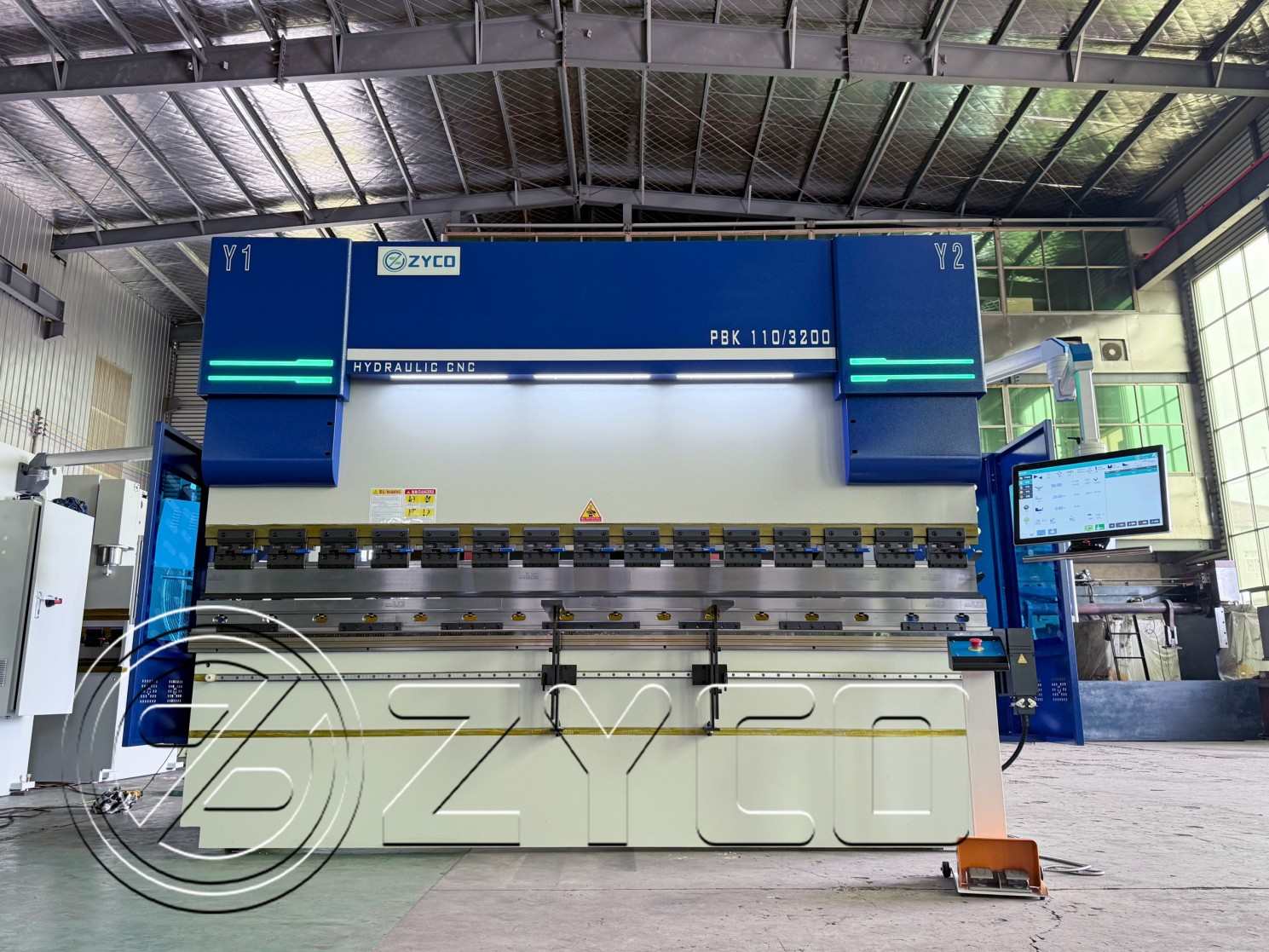
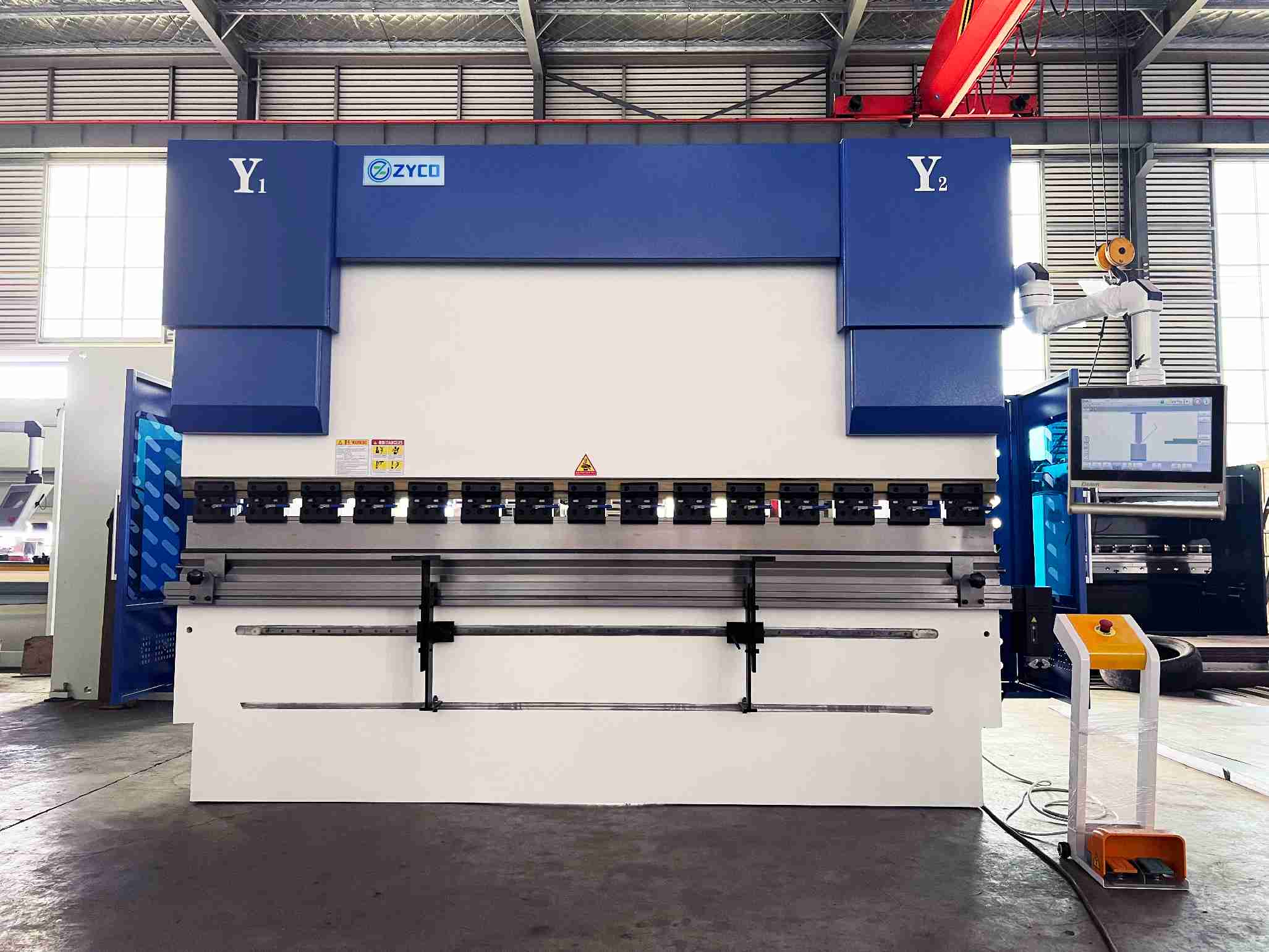
If you find that the problems mentioned above are common in your factory, you may consider replacing it with a stable and intelligent bending machine provided by ZYCO to get your production line running again!
 

press brake machine china


Why do customers now prefer Electro-Hydraulic Press Brake?

2025-08-01

In the past, many customers considered price first when purchasing a press brake, but now, more and more users are turning their attention to Electro-Hydraulic press brake.

Whether the customers are from the Middle East, Europe, Southeast Asia or South America, we have found one thing in common: they are more willing to pay for high performance, low energy consumption and intelligence.

So, "Why do customers now prefer Electro-Hydraulic Press Brake?" The answer is actually very simple —— it solves problems that traditional equipment cannot solve.


✅ Reason 1: Higher bending accuracy and more stable quality


The electro-hydraulic bending machine adopts left and right independent cylinder control (Y1/Y2), and performs closed-loop synchronous control through a servo proportional valve. Compared with traditional torsion shaft bending machines, it has obvious advantages:


automated sheet metal bending


· The system monitors the cylinder position in real time through the grating ruler and automatically corrects the deviation every second;

· The bending angle error can be controlled within ±0.5°;

· The angles at both ends of the long workpiece are consistent, and there is no need for repeated debugging;

· The automatic compensation system can make intelligent corrections based on the plate thickness and material.

Result: Improved pass rate, reduced rework rate, and higher customer satisfaction.


✅ Reason 2: Energy saving and noise reduction, low operating cost


The electro-hydraulic bending machine is equipped with a servo pump control system, which runs the hydraulic system only when performing bending actions, greatly reducing energy consumption:

· Energy saving is 30%~60% compared with traditional hydraulics;

· Noise is as low as 70 decibels, making the workshop quieter;

· The oil temperature is constant, the oil ages slowly, and the hydraulic system has a longer life.

Result: The electricity bill + oil replacement cost saved in one year is enough to buy a set of molds.


✅ Reason 3: Supporting automation upgrades, saving manpower and increasing efficiency


The electro-hydraulic system has a stable structure and high control accuracy, making it naturally suitable for access to automation systems, such as:

· Robotic Hand loading and unloading;

· Automatic mold change (ATC);

· MES system data linkage;

· Laser angle measurement system.

Result: Fewer workers, higher efficiency, and 24-hour production line is possible.


✅ Reason 4: Simple operation and low training cost


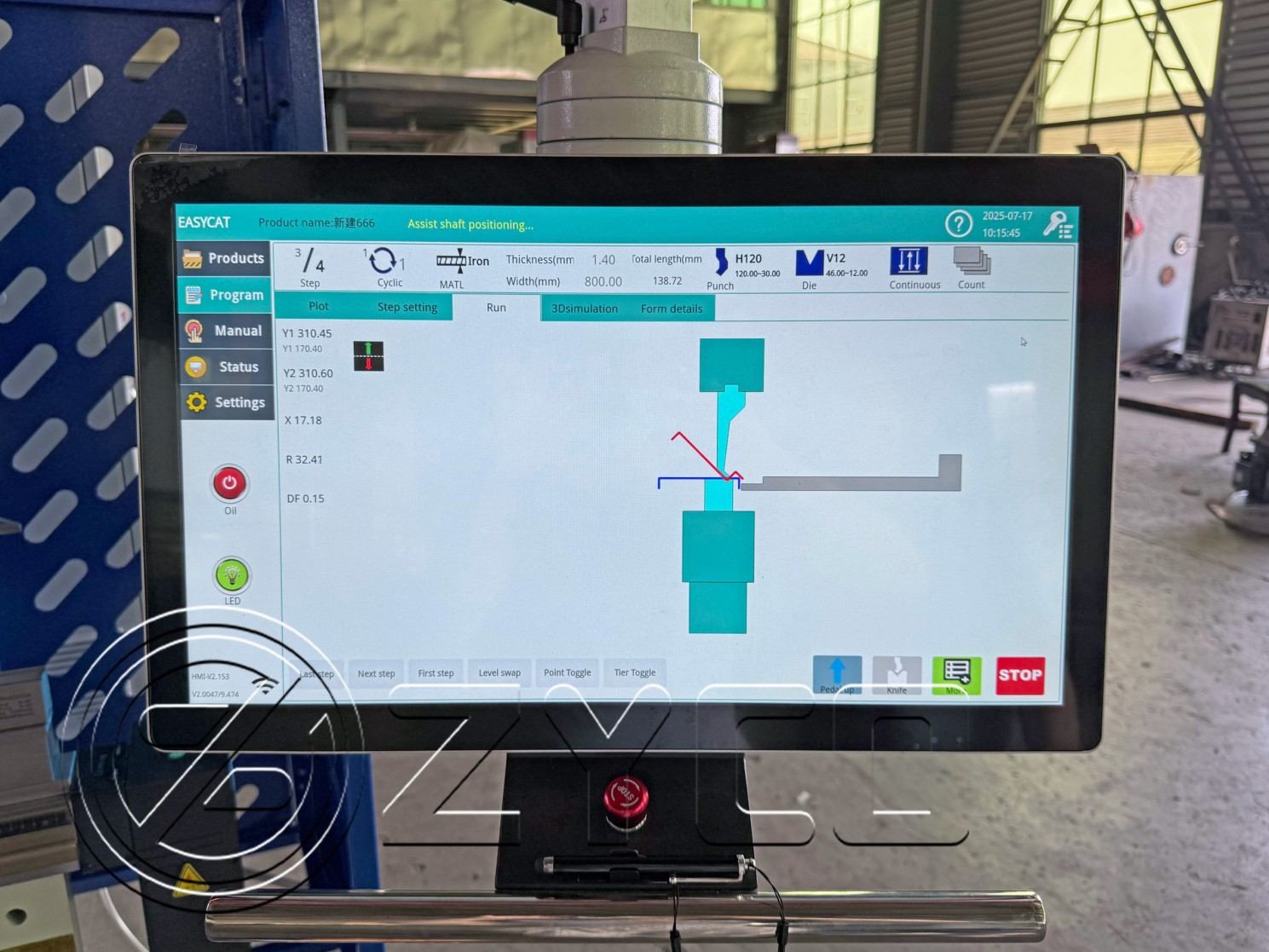
The matching CNC systems (such as DELEM DA53T, DA66T, EASYCAT ET18, ESA S660W, etc.) all support:


hydraulic sheet metal brake


· Multi-language operation interface (English, Spanish, French, etc.);

· Graphical programming, even beginners can quickly get started;

· Bending simulation function allows early detection of collisions and angle deviations.

Result: Customers no longer have to rely on "experienced workers", and newcomers can easily get started.


Summary


In 2025, ZYCO electro-hydraulic bending machine is not only an equipment choice, but also the "standard configuration" for global sheet metal processing companies to move towards high quality, high efficiency and intelligent manufacturing.

If you are an importer, distributor or end customer, and are looking for a bending solution with high precision, low energy consumption, easy maintenance and strong automation support, the electro-hydraulic bending machine will be your best choice.

Elephant Machinery arrives as scheduled, bringing reciprocating pumps to the Xinjiang International Petroleum Exhibition

2025-07-25

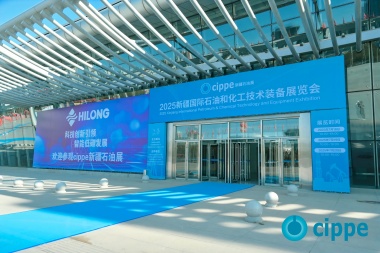
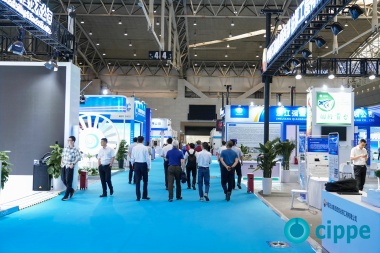
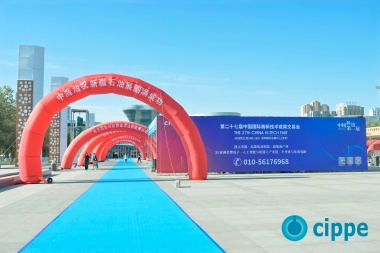
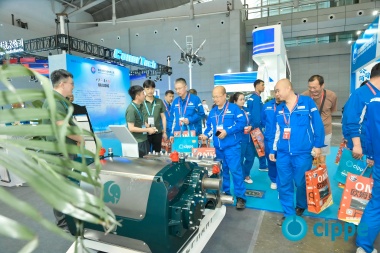
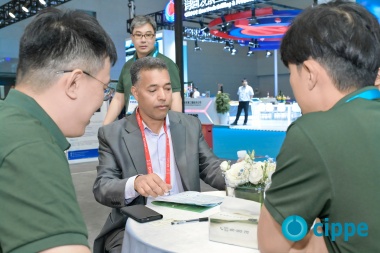
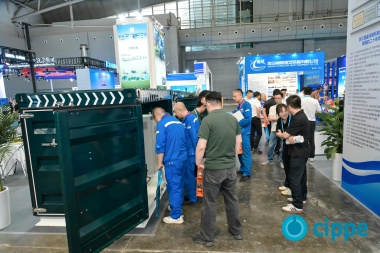
From July 18 to July 20, Elephant Machinery will be at Booth E4020 at the Urumqi Xinjiang International Petroleum and Chemical Technology and Equipment Exhibition to meet with you and discuss business opportunities.


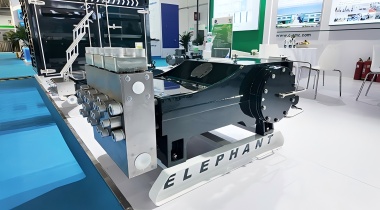
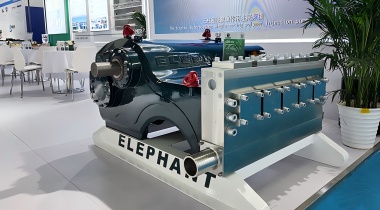
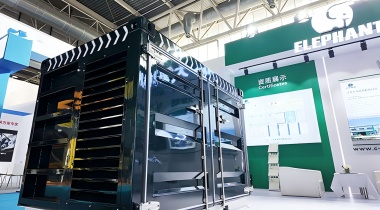
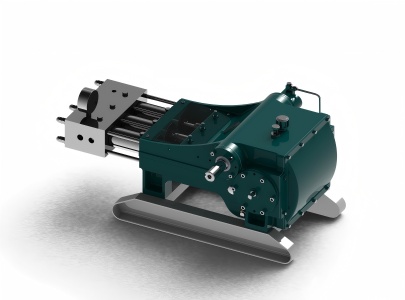
At this event, we showcased our DS200 triplex pump, DW400 quintuplex pump, and DXBH-66 intelligent unmanned pump skid, and discussed cutting-edge reciprocating pump technology in the petroleum industry with attendees.


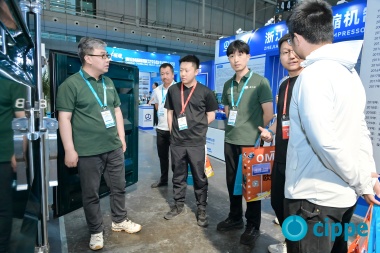
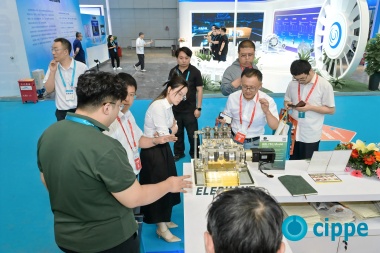
On the first day of the exhibition, a long line formed at the Elephant Machinery booth, attracting many domestic and international visitors to stop and chat.


As a key hub along the Belt and Road Initiative, Xinjiang serves as a “super transit hub” for Elephant Machinery to expand its reach into Central Asia, Eastern Europe, and North Africa.


Elephant Machinery is committed to building a world-class brand in reciprocating pumps, adhering to the principle of “product is king,” and deeply engaging in the energy infrastructure market along the Belt and Road Initiative to support the thriving development of global oil and gas exploration and production. The company continuously updates and improves its products, dedicated to providing global customers with more convenient, reliable, efficient, and intelligent reciprocating pump solutions.

What is the difference between a jet pump and a plunger pump?

2025-07-25

The jet pump and the plunger pump are two different types of pumps, with the main differences reflected in the following aspects:


1.Working Principle

  • Jet Pump: It is a fluid pressurization device that primarily utilizes high-pressure working fluids (water, air, steam) to generate a high-speed jet through a nozzle, which enters a high-pressure chamber, thereby increasing the pressure to meet operational requirements. It relies entirely on the dynamic motion between fluids. It has strong self-priming capability and can handle gas-liquid mixed fluids.

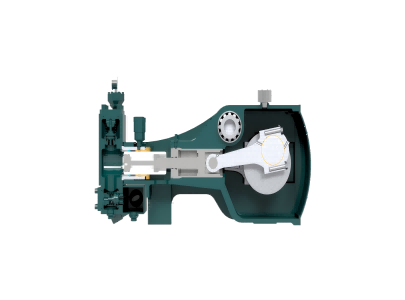
  • Plunger Pump: The motor drives the pump's crankshaft to rotate via large and small pulleys and a narrow belt. The crankshaft then drives the connecting rod and plunger to perform reciprocating motion. When the plunger moves backward, the inlet valve opens, allowing liquid to enter the pump body until the plunger reaches its rearmost position (180° rotation of the crankshaft), completing the suction process. The plunger then begins to move forward, compressing the liquid in the pump's valve chamber, increasing the pressure. As a result, the inlet valve closes, and the discharge valve opens, allowing the liquid to be pushed out by the plunger through the discharge valve. The flow rate can be adjusted by changing the size of the plunger.


2.Structural Differences

  • Jet Pump: Simple in structure, primarily generates power through fluid movement, with lower maintenance costs in the long run (no vulnerable parts) and lower sealing requirements.

  • Plunger Pump: Mainly generates power through the reciprocating motion of the plunger. Compared to the jet pump, it has higher long-term maintenance costs and extremely high sealing requirements to prevent plunger leakage.


3.Application Scenarios

  • Jet Pump: Deep well water extraction, chemical industry (capable of transporting corrosive media,etc).

Plunger Pump: High-pressure cleaning, petroleum industry (mud pump, water injection pump, etc.), water well drilling, etc.


The jet pump primarily relies on hydrodynamic force for operation, making it suitable for simple working conditions and offering corrosion resistance. On the other hand, the plunger pump operates through the reciprocating motion of a plunger, making it ideal for high-pressure, high-efficiency, and stable-flow applications. You can choose the appropriate pump based on different working conditions and requirements. Elephant Machinery offers both plunger pump and jetting pump in our product lineup. Visit our website (www.elephantmudpump.com) to select the product you need—we will be your trusted partner!

Elephant Factory Acceptance Ceremony Successfully Held Crude Oil Transfer Pump

2025-07-25

Elephant Machinery recently welcomed representatives from Sudan's energy sector and the Sudan National Petroleum Pipeline Company for a factory visit and inspection of the ordered CBW-2800 crude oil transfer pumps.

The equipment underwent rigorous testing, with all items passing acceptance in a single attempt.


Elephant Machinery is honored to receive recognition in the international petroleum equipment industry. In our pursuit of innovation in reciprocating pump applications, we remain committed to our founding principles: reliability, durability, and user-friendly operation. We listen to every customer’s feedback, integrating their needs into our designs, and crafting reciprocating pump solutions with craftsmanship—delivering convenience, reliability, efficiency, and intelligence.

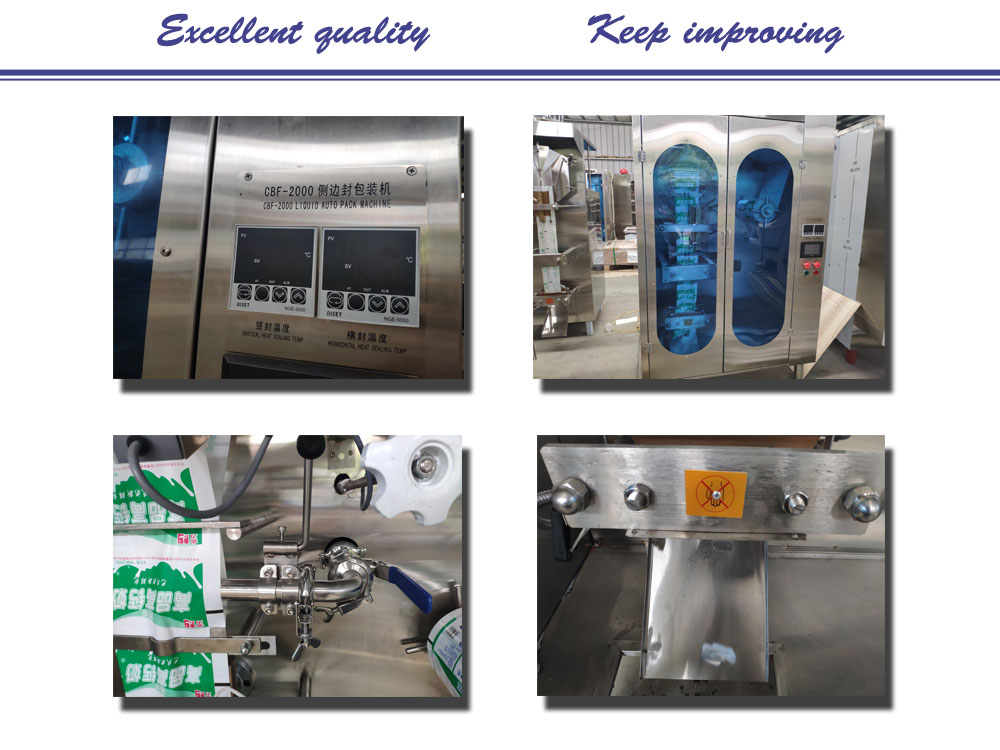
Maintenance and working principle of side-seal liquid packaging machine

2025-07-25

Introduction:

Side-seal liquid packaging machine is a key equipment in the packaging industry, mainly used to fill liquids such as yogurt, milk and juice into bag packaging. The working principle of this machine is to form the roll film into a bag shape and seal it while filling.

Working principle:

Film conveying and forming: The roll film is loaded onto the film roll and conveyed to the forming tube through a series of rollers and guides. The forming tube forms the flat film into a cylindrical shape, preparing for the subsequent filling and sealing process.

Filling and sealing: As the pre-formed film roller moves forward, the filling nozzle accurately distributes the liquid product into the formed bag. At the same time, the sealing mechanism, which usually consists of upper and lower sealing rods equipped with heating elements, applies heat and pressure to seal the edges of the packaging bag. The sealing process is carried out on both sides of the packaging bag, hence the name "side sealing". Sealing parameters such as temperature, pressure and time can be precisely controlled to ensure a strong and leak-proof seal.

Maintenance:

Daily cleaning: After each production, thoroughly clean the internal and external surfaces of the machine, especially the filling area, sealing rod and film conveying path. Remove any residual liquid, dirt or packaging material to prevent contamination and potential failures in subsequent operations. Use a clean soft cloth or suitable cleaning agent to ensure that electrical components are not corroded by moisture.

Lubrication: The milk packing machine needs to regularly lubricate the moving parts of the machine, such as gears, chains and linear guides, with recommended lubricants. Proper lubrication reduces friction, wear and tear, ensures smooth operation and extends the service life of the machine. Please follow the manufacturer's guidance on lubrication intervals and lubricant types.

Seal component inspection: Regularly check the sealing strip for wear, damage or residue accumulation. Clean the sealing surface and replace any worn sealing elements in time to maintain stable sealing quality. In addition, check the heating elements and temperature sensors to ensure precise temperature control.

Film feeding system adjustment: Monitor the film feeding tension and guide mechanism to ensure smooth and consistent film feeding. Adjust the tension control device and check the film guide device for any wear or misalignment, which may affect the film forming and packaging quality.

Electrical system inspection: Check electrical connections, wiring and control system components for any signs of damage, looseness or malfunction. Ensure that the machine's control panel, sensors and actuators are functioning properly to maintain accurate operation and safety.

Conclusion:

The yogurt packaging machine plays a vital role in the efficient packaging of liquid products. By understanding its working principles and implementing appropriate maintenance measures, operators can optimize machine performance, ensure stable packaging quality and extend its service life. Regular maintenance can not only avoid potential production downtime, but also ensure the safety and hygiene of packaged products, meeting the needs of the packaging industry and the expectations of consumers.

Tags