头部背景图片

How to Choose the Right Chiller for Your Injection Molding Machine

2025-08-08

Choosing the right chiller helps your injection molding work well. You must match cooling power, temperature control, and chiller type to your machine. First, learn what cooling you need and what kind of injection molding machine you have. Look at energy efficiency when you check injection molding chillers. These steps help you save money and keep production running smoothly.

key Takeaways

  • Find out how much heat your machine makes. Add a little extra to be safe. Pick a chiller that can cool enough.

  • Pick the best chiller type for your needs. Air-cooled chillers are easy to set up. Water-cooled chillers work better if you have water.

  • Keep the temperature steady. This helps you make good parts and waste less.

  • Make sure your chiller is the right size. Install it the right way. This helps stop problems and keeps things working well.

  • Talk to experts if you need help. Use tools like calculators to help you pick the best chiller.


Cooling Needs
You need to know how much heat your injection molding machine creates. The heat load tells you how much cooling power you need. When you melt plastic, the machine produces a lot of heat. You must remove this heat quickly to keep the process stable. If you choose a chiller that cannot handle the heat load, your parts may not form right. You can ask your machine supplier for the heat load value. You can also use online calculators to estimate it. Always add a safety margin to your calculation. This helps you avoid problems during peak production.

Machine Size & Cycle Time

The size of your machine and how fast it runs both affect your cooling needs. Large machines need more cooling. Machines with short cycle times also need more cooling because they work faster. If you run many cycles per hour, your chiller must keep up. You should check the tonnage of your machine and the average cycle time. Make a list of all machines if you use more than one. This helps you pick the right injection molding chillers for your setup.

Tip:Write down your machine size and cycle time before you start looking for a chiller. This makes the selection process easier.


Ambient Conditions
The temperature and humidity in your factory change how well your chiller works. Hot or humid air makes it harder for the chiller to cool your machine. If your factory gets very hot in summer, you may need a bigger chiller. You should also think about where you will place the chiller. Some chillers work better indoors, while others work better outside. Always check the chiller’s performance in your local climate.
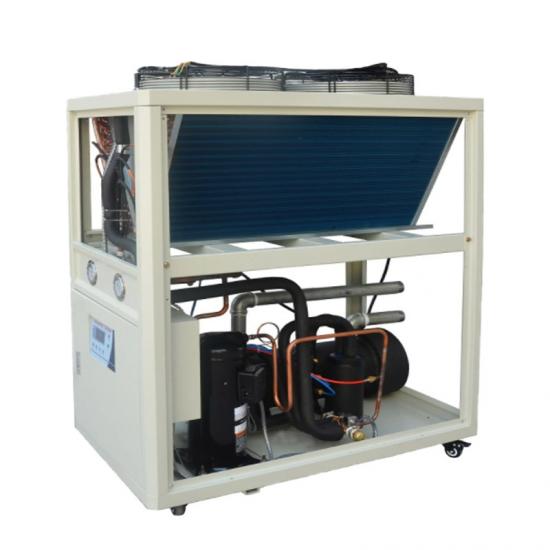

injection molding chillers

Air-cooled vs.Water-cooled

There are two main types of injection molding chillers. One type is air-cooled. The other type is water-cooled. Air-cooled chillers use fans to move air over coils. This helps take away heat from the machine. You can put air-cooled chillers almost anywhere. They do not need extra water to work. These chillers are good if water is costly or hard to find. Water-cooled chillers use water to get rid of heat. You must have a steady water supply for them. Sometimes, you also need a cooling tower. Water-cooled chillers are usually quieter. They can last longer than air-cooled chillers. They work best in big factories with good water systems.

Tip:Pick air-cooled chillers if you want an easy setup. Choose water-cooled chillers for better efficiency and if you have water.

Central vs. Portable

You can choose central or portableinjection molding chillers. Central chillers cool many machines at the same time. You put them in one place and connect all your machines. This saves space and makes it easier to fix them. Portable chillers can move from one machine to another. Use them if you only need to cool one machine. They are good if you want to move them around.

Hydraulic vs. Electric Machines

The kind of machine you have is important. Hydraulic machines use oil to move their parts. They make more heat than electric machines. These machines need stronger chillers. Electric machines use motors and make less heat. You can use smaller chillers with electric machines. Always match the chiller to your machine type for the best results.

Note: Look at your machine’s manual to see which chiller is best.

Selection Criteria

You need a chiller that can cool your machine enough. Cooling capacity is how much heat the chiller can take away in a certain time. If the chiller is too small, your machine might get too hot. This can make your molded parts turn out wrong. Always check your injection molding machine’s heat load. Add a little extra to be safe during busy times. Most suppliers show cooling capacity in tons or kilowatts. Make sure the chiller meets or goes above what you need.

Tip:Write down your machine’s heat load and compare it to the chiller’s rated capacity before you buy.

Maintenance and Uptime

Taking care of your chiller is important for smooth work. Water-based systems often need less cleaning because they do not get dirty as fast. Easy maintenance means your machines can run longer without stopping. Good chillers have strong parts and smart controls. These help you stop breakdowns and keep your factory working. Your maintenance team should check, clean, and fix the chiller often. This keeps your injection molding chillers working well and cuts down on stops.

Maintenance teams must:

  • Fix chillers fast when there is a problem.
  • Do regular checks to stop problems before they start.
  • Work with operators to solve issues quickly.
  • Follow safety rules and keep good records.
  • Learn about new systems and controls.


Sizing & Installation


Sizing Steps

You need to size your chiller correctly to keep your machines running well. Start by finding the heat load for each machine. Write down the number you get from your machine manual or supplier. Add up the heat loads if you have more than one machine. Always include a safety margin of 10-20% to cover extra heat during busy times.

Follow these steps to size your chiller:

  1. List all machines that need cooling.

  2. Find the heat load for each machine.

  3. Add the heat loads together.

  4. Add a safety margin.

  5. Choose a chiller with a cooling capacity that matches or exceeds your total.


Installation Needs

Proper installation keeps your chiller working well. Place the chiller on a flat, strong surface. Make sure there is enough space around it for air flow and maintenance. Connect all pipes and wires as the manual shows. Use clean water if you have a water-cooled chiller. Check for leaks after you finish.

You should also:

  • Keep the chiller away from dust and heat sources.

  • Make sure power supply matches the chiller’s needs.

  • Train your team on how to use and check the chiller.


It is smart to look at different chillers before you buy. First, check the main features of each one. Look at cooling capacity, temperature control, and condenser type. Make a list of brands that match what you need. You can use a table to keep your notes organized:


BrandA 10 tons ±0.1℃ Air-cooled 2 years
Brand B 12 tons ±0.2℃ Water-cooled 3 years
Brand C 10 tons ±0.1℃ Air-cooled 1 year

Read reviews from other people who use these chillers. Ask if they are reliable and if spare parts are easy to find. This helps you avoid trouble later.


Budget & Quality

You need to think about both price and quality. Do not pick the cheapest chiller if it will not work well. Cheap chillers may break more or use more energy. Good chillers last longer and save money in the long run. Check the warranty and after-sales help. Good support can save you time and stress. Make sure you know the full cost, including setup and care.

Tip:Spending a bit more at first can save money on repairs and energy later.


It is a good idea to talk to experts before you buy. Find people who know about injection molding machines and extra equipment. They should know about chillers, thermolators, and resin dryers. Experts can help you pick the right chiller and plan for care. They can also help if something breaks. Experts often work with maintenance teams to keep things running. They know how to make cycle times better and cut down on waste. This help lets you get the most from your new chiller.

When you ask for expert help, look for:

  • Real experience with the equipment
  • Skill at fixing problems
  • Ability to judge what to buy
  • Teamwork with maintenance and production
  • Ideas for making things work better

You can pick the right chiller by following some easy steps. First, make sure you size the chiller correctly. Keep the temperature steady for good results. Choose a chiller type that fits your machine’s needs. Use a checklist so you do not forget anything. If your project is hard, ask a professional for help.


FAQ

What size chiller do you need for your injection molding machine?
You need a chiller that matches your machine’s heat load. Check your machine manual for the heat load value. Add a safety margin of 10–20%. This helps your chiller handle busy times without problems.

How often should you maintain your chiller?
You should check your chiller every month. Clean filters and inspect for leaks. Schedule a full service at least once a year. Regular care keeps your chiller running well and helps you avoid breakdowns.

Can you use one chiller for multiple machines?
Yes, you can use a central chiller for several machines. Make sure the chiller’s total cooling capacity covers all machines. List each machine’s heat load and add them together before choosing your chiller.

What is the difference between air-cooled and water-cooled chillers?
Air-cooled chillers use fans to remove heat. You do not need extra water. Water-cooled chillers use water and often need a cooling tower. Water-cooled models work better in hot places and usually last longer.

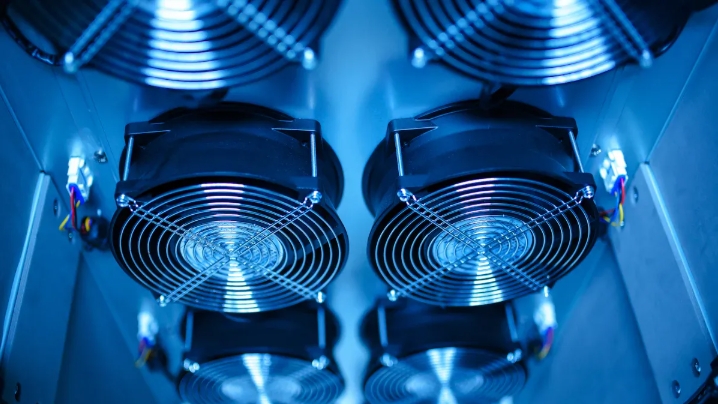
How to Overcome Industrial Cooling Issues with Air Cooled Screw Chillers

2025-08-08

Air cooled screw chillers are a good way to fix cooling problems in factories. These systems work well and can be used in many ways. Many factories pick air cooled chiller units because they are simple to set up. They do not need cooling towers or extra water systems. People often switch to air cooled chillers to save water and need less maintenance. They also help cool bigger areas. These chillers help with energy use, space, and meeting environmental goals.


Key Takeaways

  • Air cooled screw chillers are easy to set up. They do not use much water. They are simple to take care of. This makes them great for many factories.

  • These chillers have screw compressors that work well. They use smart controls to save energy. They help keep the temperature steady.

  • Picking the right chiller size saves money. A modular design helps meet factory needs as they change.

  • Doing regular maintenance is important. Cleaning coils and checking oil keeps chillers working well. This also helps them last longer.

  • Air cooled screw chillers can be changed to fit different needs. They have strong safety features. This makes them good for many industries and places.


Air Cooled Screw Chiller Overview


How It Works

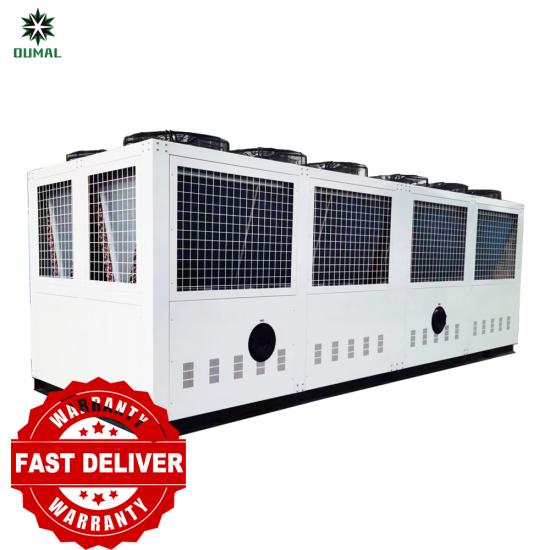
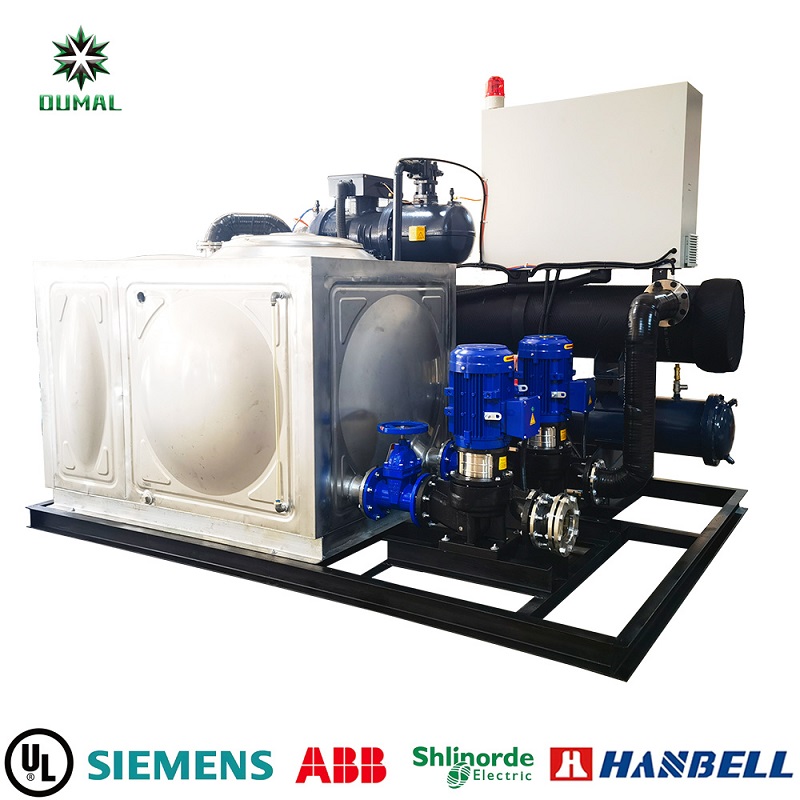
Air cooled screw chillers use a closed refrigeration cycle to take away heat from factory processes. There are four main steps in the system: compression, condensation, expansion, and evaporation. The screw compressor has two spiral rotors that spin together. This design helps the refrigerant get squeezed gently and quietly. Next, the refrigerant goes to the condenser. Fans blow air over copper tubes and aluminum fins. This step lets heat escape into the air. The refrigerant cools down and passes through an expansion valve. This valve lowers the pressure. In the evaporator, the refrigerant takes heat from the process water. This cools the water before the cycle starts again. The OUMAL 30 Ton Air Cooled Screw Chiller uses this process to give steady and dependable cooling for many factories.

  • The system has these parts:

    • Compressor

    • Condenser

    • Evaporator

    • Control system

These parts work together to make a high-efficiency solution for cooling in factories.


Key Features

Feature

Air-Cooled Screw Chiller

Water-Cooled Chiller

Cooling Medium

Uses air around it

Uses water

Cooling Equipment

Fans help get rid of heat

Needs cooling towers

Water Consumption

Uses little water

Uses a lot of water

Installation

Can go outside, easy to set up

Goes inside, harder to set up

Maintenance

Medium, no cooling tower needed

More work, needs water treatment

Efficiency

Works well in many places

Better for very big jobs

The OUMAL air cooled screw chiller has a semi-hermetic screw compressor, a copper condenser, and a shell-and-tube evaporator. It uses a Siemens PLC control system with a touch screen, so it is easy to use. The chiller uses R-407C, which is a refrigerant that is better for the environment. It meets strict rules for the environment. Special safety features help keep the cooling system working well.


Main Applications

Air-cooled chillers are used in many industries that need reliable chillers for cooling. Some common uses are:

  • Plastics factories use them to control mold temperature

  • Electronics factories use them to keep things stable

  • Chemical plants use them to stay safe

  • Food and drink factories use them to cool things fast

  • Medical and drug companies use them for clean rooms

  • Car and printing factories use them to protect machines

These chillers also work well where there is not much water. The OUMAL air cooled chiller can be used with other cooling systems. This makes it a good choice for many factory cooling needs.


System Sizing

30 Ton Air Cooled Screw Chiller

Flexible Capacity

Factories need chillers that can handle many jobs. Sometimes, factories change their machines or add new ones. A modular design lets chillers fit different needs. The OUMAL air cooled screw chiller has a modular design. Users can pick the size and features they want. They do not have to buy a chiller that is too big or too small. This helps save both money and energy.

Capacity control is also very important. The OUMAL process chiller can change its cooling power in steps from 25% to 100%. This means it can match how much cooling is needed at any time. If the factory needs less cooling, the chiller uses less energy. If more cooling is needed, the chiller gives more power. This makes the system work well and stay reliable.

  • Step modulation for capacity control helps:

    • Use less energy when cooling needs are low

    • Make the compressor last longer

    • Keep the temperature steady for sensitive jobs

Some chillers use variable-speed drives. These drives let the compressor and fans change speed smoothly. This gives even better control and saves more energy. Using the right controls can lower electricity use by over 12% in some cases. The OUMAL process chiller uses smart controls to work its best in all situations.


Sizing Tips

Getting the right size chiller is very important. If the chiller is too small, it cannot cool enough. If it is too big, it wastes energy and costs more to run. Here are the main steps to size an air cooled screw chiller:

  1. Find out the total heat load. Add up heat from machines, people, and outside. Think about the temperature and humidity you want.

  2. Look at the type of factory and how many hours it works each day. Check how much heat the equipment makes.

  3. Use this formula: Capacity (Tons) = Total Heat Load (BTUs) / 12,000. This tells you the size you need.

  4. Pick the right chiller type for your job. Screw chillers are best for big factories and tough jobs.

  5. Plan for the future. Think about adding new machines or working longer hours. Do not just look at cost. Efficiency and how well it works over time are most important.

Tip: Always talk to a chiller expert before you decide. OUMAL can make custom chillers for special needs. Their team can help with sizing and design so the chiller fits your job.

Industrial chillers like the OUMAL model can be made to fit each project. This makes sure the system works well and saves energy. Good planning and the right features help factories get the best from their cooling system.


Energy Efficiency


Compressor Technology

Industrial chillers use special screw compressor technology to save energy. The screw compressor has two rotors that spin together. This design makes the compressor quiet and smooth. Many air-cooled chillers use this compressor because it saves power. It also works well in big factories. The compressor can change its speed and power. This helps match how much cooling the plant needs. So, the chiller does not waste energy when less cooling is needed.

  • Screw compressors help chillers by:

    • Keeping the temperature steady and accurate

    • Using less electricity in big buildings and cooling jobs

    • Giving many cooling options for different needs

    • Letting users adjust settings to save more money

Some brands, like Daikin and Trane, use screw compressors with high energy ratings. These compressors help factories use less electricity. The OUMAL air cooled chiller uses a semi-hermetic screw compressor. This type is known for being efficient and working well for a long time.


Smart Controls

Smart controls are important for making chillers work better. Many new chillers use PLC systems and touch screens. These controls let workers set and watch the chiller in real time. The system can change how it works based on cooling needs. This saves energy and keeps the temperature even.

The OUMAL air cooled screw chiller uses a Siemens PLC control system. It has a touch screen that is easy to use. This system lets workers make changes fast and react to factory needs. Smart controls also help keep the system safe. They watch for problems like too much pressure or overload. Workers can see warnings and fix problems before they get worse.

Note: Smart controls and energy systems work together to save energy. They help the chiller run only when needed. This lowers costs and makes the chiller more efficient.


Reducing Costs

Industrial chillers help factories spend less money in many ways. Air-cooled chillers do not need cooling towers or extra water. This means they use less water and need less care. Using eco-friendly refrigerants, like R-407C, is good for the earth. It also helps the chiller work well in hot weather.

Studies show water-cooled chillers use less power than air-cooled chillers. But air-cooled chillers save money because they do not need water treatment or towers. This makes them good for places with little water. The OUMAL air cooled screw chiller uses R-407C. This helps it work well and saves money on water.

Factories that buy variable speed drive air-cooled screw chillers often get their money back in about 22 months. This means energy and care savings pay for the chiller in less than two years. Many factories pick air-cooled chillers to help the planet. These chillers use less material and lower-GWP refrigerants. This helps cut down on carbon emissions.

Tip: Picking the right chiller with smart controls and good compressors helps factories save money, use less energy, and protect the environment.


Maintenance and Reliability


Easy Maintenance

Air cooled screw chillers last a long time in factories. They have fewer moving parts than other chillers. This means they do not break as often. The design lets workers reach important parts easily. Technicians can check and fix things fast. Many factories pick screw chillers for strong cooling and easy care. Screw chillers need fewer repairs than reciprocating chillers. They also cost less to keep working over time. Cleaning the condenser coils and checking oil levels is important. This helps the chiller work well. If something breaks, modular maintenance keeps the chiller running. One part can be fixed while the rest still works. This stops long shutdowns and keeps the factory working.


Aspect

Air-Cooled Screw Chillers

Reciprocating Chillers

Scroll Chillers

Centrifugal Chillers

Moving Parts

Fewer

More

Fewer

Single Compressor

Maintenance Complexity

Easier Access

Higher

Sealed Design

Full Shutdown

Maintenance Costs

Lower Long-Term

Higher

Lower

Higher

Operational Impact

Modular Maintenance

N/A

N/A

Full Downtime


Safety Protections

Modern air cooled screw chillers have many safety features. These features help stop damage and keep the chiller safe. Some main safety features are:

  • High and low pressure protection

  • Compressor overheating protection

  • Overloading protection

  • Flow switch to check water flow

  • Phase sequence and phase-missing protection

  • Exhaust overheating protection

  • Anti-freezing protection

  • Oil separator for proper lubrication

  • Refrigerant safety valve

  • Buzzer alarms for faults

  • Power phase failure protection

  • Coil over-heat protection

  • Temperature auto-switch

  • Refrigerant shortage protection

All these features work together to stop problems early. They also make it easier for workers to fix issues.


Warranty and Support

OUMAL gives a 15-month warranty for its air cooled screw chillers. This is longer than the usual 12 months from other brands. The company has good after-sales support. Customers can get help from trained service teams. They can order spare parts and ask for technical help. OUMAL also lets customers use remote monitoring and gives advice on care. These services help the chiller work well and make customers feel safe.


System Compatibility

Air cooled screw chillers can work with many air conditioning systems in factories. They connect to both new and old systems. Engineers plan how to keep air moving and not stop work. They follow the maker’s guide to fit the chiller with the system. Testing and checking make sure everything works together well. Many factories use these chillers to make their cooling better without big changes. Cleaning filters and looking for leaks helps the system run well.

Tip: Good planning and setup help stop problems when adding chillers to old systems.


Environmental Adaptability

Factories use air conditioning in many places. Air cooled screw chillers can handle hot, cold, or tough spots. They have strong fans and special covers to stop heat and rust. Some chillers work in heat up to 60°C. They use drives that change fan and compressor speed. This saves energy and keeps the temperature steady. The table below shows how these chillers work in different places:


Adaptation Feature

Description

Variable Frequency Drives

Change speed for different loads and weather

Heavy-duty Design

Works in high heat, up to 60°C

Corrosion-resistant Heat Exchangers

Lasts longer in tough or chemical places

Modular Design

Fits in small spaces and is easy to add more

Installation Clearances

Needs space for air and repairs

Environmental Protection

Protects from bad weather and harsh stuff

These features help air conditioning systems in factories work well anywhere.


Customization Options

Each factory needs something different for its air conditioning. Air cooled screw chillers can be changed in many ways. Companies pick the size, cooling power, and temperature they need. Some chillers have special parts to stay safe in risky places. Others cool things to very low temperatures for food or chemicals. Digital controllers help keep the temperature just right. OUMAL lets you use outside water tanks for more choices. Their team helps design chillers for special needs, space, and rules. This makes sure the cooling system fits and works well with air conditioning in factories.


Improve Efficiency and Product Quality The Power of OUMAL Industrial Chillers

2025-08-08

In today’s fast-paced manufacturing industry, companies are constantly looking for ways to increase efficiency, reduce costs and improve product quality. The choice of industrial cooling equipment is a critical factor in achieving these goals, but it is often overlooked. OUMAL Refrigeration Machinery Co., Ltd. leads the way in this field with its development and manufacture of innovative heat transfer products, such as 30 ton air-cooled chillers and 20 ton air-cooled chillers, designed to meet the unique cooling needs of a wide range of industries around the world.


Improve Efficiency with Cooling Solutions from OUMAL

OUMAL understands the needs of industries such as injection molding, thermoforming, blow molding, blown film production, plastic extrusion and compounding. For each application, the right cooling system is critical. By providing energy-efficient process cooling, OUMAL’s chillers not only ensure optimal temperatures, but also improve product quality and reduce production time. Whether you are producing high-quality plastic parts or ensuring a stable mix of composite materials, OUMAL’s chillers provide reliable and precise support for your production process.


Customized Solutions for Every Need

Flexibility is at the heart of OUMAL’s mission. OUMAL focuses on customer satisfaction and offers a wide range of customization options, and its 30 ton air-cooled chiller and 20 ton air-cooled chiller are just the beginning. OUMAL’s manufacturing facility is fully equipped to produce high-quality products and offers a wide range of modifications and options. Whether you need a system with unique specifications or a modification to your specific application, OUMAL has you covered.


In addition to improving productivity, OUMAL chillers are designed with energy efficiency in mind. With energy costs rising, investing in a high-quality, energy-efficient chiller is a smart move for long-term profitability. OUMAL’s products help companies reduce operating costs while maintaining the high performance required for critical industrial applications.

industrial cooling solution


OUMAL’s commitment to innovation, customer-centric solutions and flexibility sets it apart in the industry. Over the years, their sales and application support teams have developed a deep understanding of the needs of a wide range of industries and can provide expert advice for almost any application. Whether you want to optimize your injection molding process or increase the efficiency of thermoforming, the OUMAL team is ready to recommend the most suitable chiller to meet your needs.


When it comes to industrial cooling solutions, OUMAL Refrigeration Machinery Co., Ltd. is your trusted and innovative partner. Its Air-Cooled Chillers series, including 30 ton Air-Cooled Chillers and 20 ton Air-Cooled Chillers, provide the efficiency, customization, and performance you need to take your business to the next level. With OUMAL, you are investing in more than just a product, but a solution that can shorten production time, reduce costs, and improve the overall quality of your products.


Choose OUMAL as your next industrial cooling solution and experience the difference that innovative, energy-saving technology can make.


Troubleshooting Water Cooled Screw Chillers Common Faults and Fixes

2025-08-08

Troubleshooting Water Cooled Screw Chillers: Common Faults and Fixes

You might have high-pressure trips, refrigerant leaks, or compressor overload when using a water cooled screw chiller. Fast troubleshooting helps lower downtime and expensive repairs. Regular checks and preventive maintenance help find problems early. Knowing your water cooled chiller well helps you see issues before they get worse.


Water Cooled Screw Chiller Faults

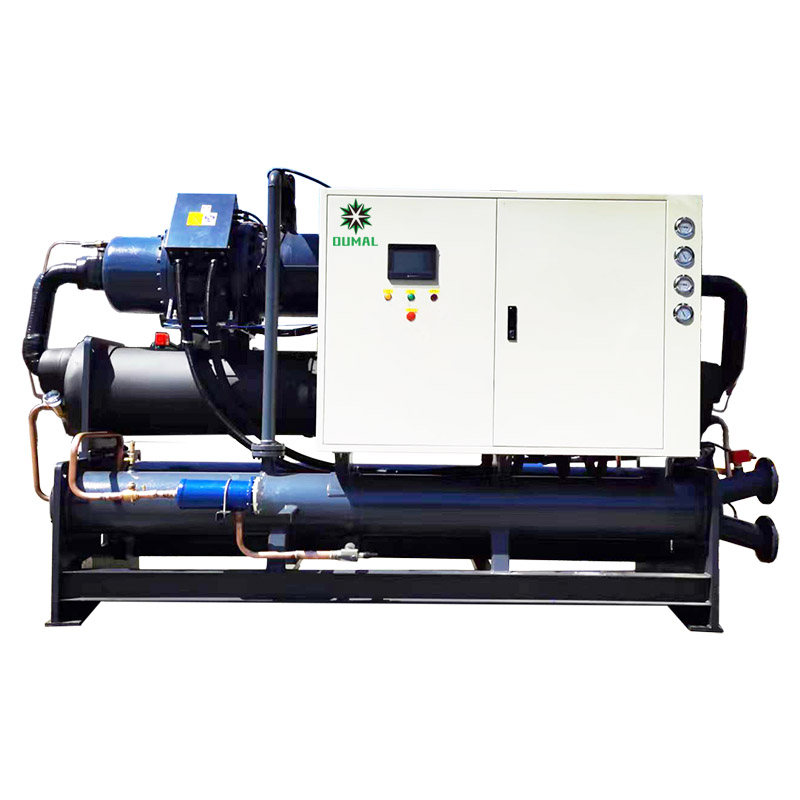
140 HP Water Cooled Screw Chiller

  • High Pressure

High pressure alarms can happen in your water cooled screw chiller. Air or other gases in the system can cause this. Too much refrigerant or a dirty condenser can also be the reason. If the cooling water is too warm, pressure goes up fast. Low water flow makes pressure rise too. Dirt in pipes or a broken water pump can cause high pressure faults. To fix these, clean the condenser and check water flow. Adjust the refrigerant level if needed.

Tip:If you see high pressure, always look for dirt on the condenser surface.

  • Low Pressure

Low pressure is another problem you might see. This can happen if there is not enough refrigerant or if there is a leak. Cold weather can make water and oil colder, causing low pressure alarms. Blocked filters or pipes can also lead to this. A bad expansion valve or electrical relay can be the cause too. Check for leaks and clean the filters. Make sure all valves are working right.

  • Water Flow Loss

Water flow loss is a common fault in water cooled chillers. This happens if the water pump stops or pipes get blocked. Air in the system can also cause it. Low water flow can make the chiller shut down or work poorly. Always check pumps and pipes for blockages or leaks.

  • Refrigerant Leaks

Refrigerant leaks are serious in water cooled screw chillers. Leaks make cooling worse and use more energy. Some refrigerants can hurt the environment if they escape. Check for leaks often and fix them fast. This helps avoid high costs and protects the environment.

  • Oil System Issues

Oil system issues can harm your chiller. Oil leaks, dirty oil, low oil pressure, or hot oil are common faults. These problems lower lubrication and can make the compressor overheat or wear out. Check oil levels often and change oil when needed. Clean or replace oil filters as well.

  • Electrical Problems

Electrical problems often cause chiller faults. Loose wires, bad relays, or blown fuses can stop the chiller. If your chiller will not start, check the electrical panel first. Make sure all wires are tight and replace any broken parts.

  • Noise and Vibration

Strange noises or vibration can mean mechanical problems. Loose screws, unbalanced fans, or pipes not fixed well can cause rattling or banging. If you hear loud or repeating noises, look for loose parts or debris. Finding these problems early helps stop bigger faults and keeps your chiller working well.


Fault Type

Common Causes of Chiller Problems

Quick Fixes

High Pressure

Dirty condenser, low water flow, air

Clean condenser, check water flow

Low Pressure

Leaks, blockages, cold water

Fix leaks, clean filters

Water Flow Loss

Pump failure, pipe blockage

Inspect pumps, clear blockages

Refrigerant Leaks

Damaged pipes, loose fittings

Repair leaks, recharge refrigerant

Oil System Issues

Low oil, dirty oil, leaks

Change oil, fix leaks

Electrical Problems

Loose wires, bad relays, blown fuses

Tighten wires, replace parts

Noise and Vibration

Loose parts, unbalanced fans, bad mounts

Tighten, balance, secure parts


Chiller Troubleshooting Steps


Troubleshoot Pressure Issues

Pressure problems in your chiller can cause shutdowns or poor cooling. You can follow these steps to find and fix pressure faults:

  1. Check all valves. Make sure refrigerant valves are open. Isolation valves should stay closed unless you need them for repairs.

  2. Look at the water flow. The water pumps must run well. Both the condenser and evaporator need enough water flow to keep the chiller cool.

  3. Inspect the condenser coils. Dirt or debris can block heat transfer and raise pressure.

  4. Watch the condenser fan. The fan should spin in the right direction and work without stopping.

  5. Use the chiller manual. Find alarm codes and follow the troubleshooting methods listed.

  6. If you see high pressure alarms, check for air or non-condensable gases in the system.

  7. Ask a qualified technician to test high pressure switches, contactors, and relays if you cannot find the problem.

Tip:Clean the condenser coils often. This simple step prevents many pressure issues.


Troubleshoot Water Flow

Water flow problems can stop your chiller or make it noisy. Use these troubleshooting methods to restore proper flow:

  1. Read all safety instructions before you start.

  2. Unplug the chiller and drain the water. Remove hoses and tilt the unit to empty it.

  3. Take out the cartridge filter. Soak it in water for two minutes, then put it back.

  4. Check every hose and fitting for air leaks. Use Teflon tape and tighten clamps to stop air from getting in.

  5. Prime the system. Disconnect the water inlet hose, lift it up, and pour water until no bubbles come out of the outlet.

  6. Start the chiller for one minute. Watch for steady water flow and no bubbles. Repeat priming if needed.

  7. You can flush the system with a garden hose to clear air pockets.


Problem

Possible Cause

Recommended Solution

Low water flow

Dirty or clogged filter

Clean or replace the filter

Low water flow

Air lock

Repeat priming steps

Chiller making noise

Air in water line

Check hoses and prime again

Note:Always keep the water level above the inlet and outlet ports. Clean filters and pipes often to avoid clogs.


Troubleshoot Refrigerant Problems

Refrigerant faults can cause poor cooling or strange noises. Follow these troubleshooting methods to find the cause:

  1. Watch for signs like weak cooling, ice on coils, or odd sounds.

  2. Look for leaks or airflow problems around the chiller.

  3. Use manifold gauges to check refrigerant pressures.

  4. Test for leaks with an electronic detector or UV dye.

  5. Inspect the expansion valve for blockages. Make sure superheat settings are correct.

  6. Check the evaporator coil for dirt or ice. Good airflow is important.

  7. Look at the filter drier and pipes for restrictions.

  8. Measure suction and discharge pressures at the compressor. Listen for odd noises.

  9. Check sensor readings. Replace or calibrate sensors if they are wrong.

  10. Do regular maintenance. Clean coils and filters, and check for leaks often.

Safety Alert:Always use the right recovery cylinder for each refrigerant type. Never overfill cylinders. Use EPA-certified tools and keep records of all refrigerant handling.


Troubleshoot Electrical Issues

If your chiller cannot start or stops working, electrical faults may be the cause. Try these troubleshooting methods:

  • Open the electrical panel and look for loose wires or burned parts.

  • Check all relays, fuses, and contactors. Replace any that look damaged.

  • Make sure the power supply is correct and all phases are connected.

  • Use a multimeter to test voltage and current at key points.

  • If you find a problem you cannot fix, call a licensed electrician.

Tip:Always close the electrical panel after checks to keep dust and moisture out.


Troubleshoot Noise and Vibration

Strange noises or shaking can mean loose or broken parts. Use these steps to troubleshoot:

  • Listen for rattling, banging, or humming sounds.

  • Check all screws, bolts, and mounts. Tighten any that are loose.

  • Inspect fans and pumps for balance. Replace or repair if needed.

  • Look at pipes and hoses. Secure them to stop vibration.

  • If noise continues, ask a technician to check for deeper mechanical issues.


Chiller Troubleshooting Checklist

You can use this checklist for quick chiller troubleshooting. It helps you spot problems early and decide when to call a professional.

  1. Inspect the mechanical room. Keep it clean and safe.

  2. Check the electrical panel. Make sure it is closed and dry.

  3. Look at all pipes for leaks or corrosion.

  4. Read temperature gauges. Compare setpoint, return, supply, and condenser water temperatures.

  5. Watch the chiller run. It should not short cycle or make loud noises.

  6. Test water quality. Look for rust or scale.

  7. Check oil pressure and temperature. Look for oil leaks.

  8. Make sure all wiring is tight and fuses are good.

  9. Use the chiller’s fault codes and self-diagnosis features.

  10. If you find leaks, slow cooling, or loud noise that you cannot fix, call a professional.

Remember:Regular chiller troubleshooting and maintenance keep your water cooled screw chiller running longer and more efficiently.

You can keep your chiller working well with regular care.

  • Cleaning filters and checking water flow help stop chiller problems.

  • Checking fan motors and sensors often helps avoid big repairs.

  • Running tests makes sure your chiller works well.


Maintenance Activity

Approximate Cost

Energy/Operational Savings

Tube Cleaning

$5,000

Saves more than $15,000 on energy each year

Compressor Overhaul

$20,000

Stops $50,000 in lost work time

Taking care of your chiller saves money and helps it last longer. Always use the troubleshooting checklist when you find a problem. If you cannot fix the chiller, call an expert. Regular care and checks help protect your chiller.


What Sets 10 HP Process Chillers Apart for Industrial Metal Finishing

2025-08-08

10 HP process chillers are special in metal finishing. They give very accurate temperature control and work well every time. Good chillers help keep metal finishing steady. This stops cracks, warping, and other problems. Studies show that controlling temperature makes metal harder and stronger. It also helps the metal bend without breaking. It uses less energy and saves money too. A good industrial process chiller keeps the workplace the same all the time. This makes every finished product better and more exact. Companies use these chillers for tough jobs and to work fast.


Energy-efficient Process Chillers

Key Takeaways

  • 10 HP process chillers keep metal finishing cool and steady. This stops cracks, warping, and weak metal from happening. These chillers have strong parts like stainless steel tanks and copper coils. These parts help them last a long time and work well. Microcomputer controls keep the temperature just right. This makes products better and saves energy. They do not need much maintenance. They have safety features to protect machines and stop breakdowns. 10 HP chillers are flexible and save energy. They are easy to move and good for many metal finishing jobs.


10 HP Chiller Features

A process chiller is a machine that cools things down in factories. The OUMAL OMC-10A 10 HP chiller is great for metal finishing. It uses air-to-water cooling and has a copper coil that is strong. The tank is made of stainless steel, so it does not rust and keeps water clean. Workers can use the microcomputer control panel to set and check the temperature. This chiller keeps the temperature steady, which is very important for metal finishing.

Note: The OMC-10A model uses good parts like Schneider electrical components. These parts help the chiller stay safe and work well.

The table below lists the main features of 10 HP process chillers used for metal finishing:

Feature Category

Details / Examples

Compressor

Air-cooled scroll compressors (Copeland, Panasonic)

Refrigerants

R22, R407C, R134A, R404A

Heat Exchanger / Tank

Stainless steel water tanks, shell and tube heat exchangers

Water Pump

Durable, corrosion-resistant pumps

Electrical Components

Schneider for stability and safety

Safety Devices

Overheat, high/low pressure, phase protection, anti-freeze

Condenser Type

Air-cooled finned condensers

Temperature Control

Microcomputer control, precise regulation

Portability

Casters for mobility

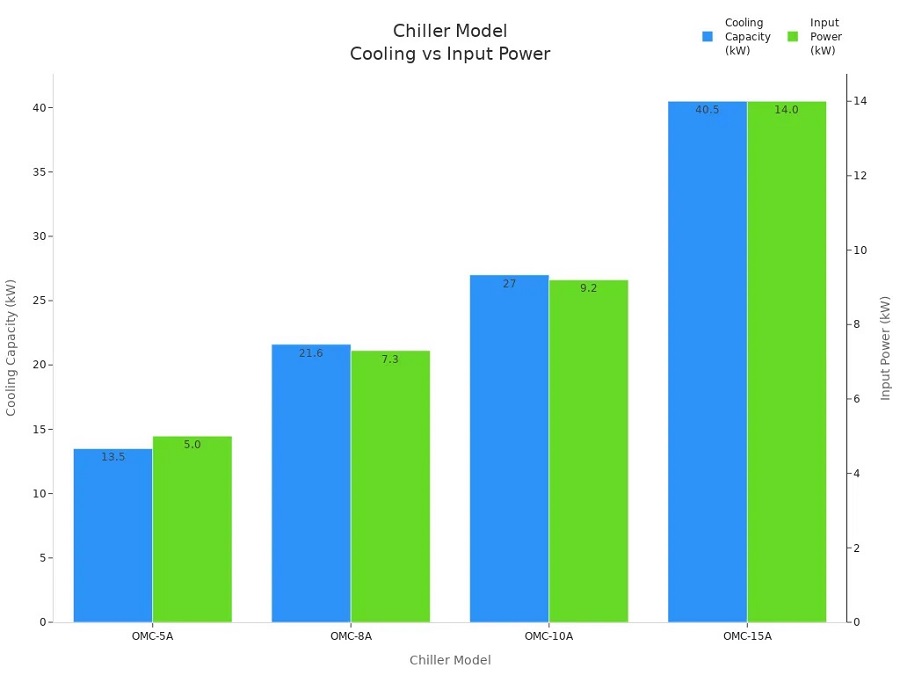
Copper coils and stainless steel tanks help the chiller last a long time. These materials stop rust and keep the chiller working well. The OMC-10A chiller can cool with 27 kW (7.7 tons), which fits many metal finishing jobs. It uses about 9.2 kW of power, so it is good for saving energy and cooling.


Bar chart comparing cooling capacity and input power for OUMAL OMC series chillers

How Process Chillers Work

Process chillers use a simple cycle to cool things down. First, the refrigerant goes into the evaporator. It takes heat from the process fluid, like the liquid used in metal finishing. The refrigerant turns into a gas. The compressor pushes this gas to a higher pressure and temperature. Then, the gas goes to the condenser. In air-cooled chillers, the condenser lets out the heat into the air, and the gas turns back into a liquid. The liquid goes through an expansion valve, which makes it cooler and lowers the pressure. The cycle starts again.

  1. The refrigerant takes heat from the process fluid in the evaporator.

  2. The compressor makes the refrigerant gas hotter and under more pressure.

  3. The condenser lets out heat to the air, turning the gas into a liquid.

  4. The expansion valve cools the liquid, and the cycle repeats.

Microcomputer controls help keep the temperature steady. They let the chiller keep the water temperature close to the same, usually within ±1°C. This is important for process chillers in metal finishing. The OMC-10A chiller uses these controls to keep things safe and make sure the results are good.


Metal Finishing Cooling Needs

Metal Finishing Cooling Needs

Temperature Control Challenges

Keeping things cool is very important in metal finishing. Jobs like anodizing, plating, and quenching need steady temperatures. If the temperature changes a lot, metal can bend or break. It might also get weaker. Workers have some problems when they try to keep the right temperature:

  • Some materials, like plastics or MDF panels, can bubble or crack if they get too hot.

  • Certain parts must stay within a set temperature. If it gets too hot, these parts can bend or break.

  • Some parts, like refrigerant compressors, need careful heating and cooling.

  • Metal parts with different thicknesses can heat up unevenly. This makes it hard to keep the whole part at the right temperature.

  • Big, heavy parts need more heat to process. This can slow down work and cost more money.

A chiller helps by keeping the temperature steady. The 10 HP chiller uses sensors to check for temperature changes during busy times. If the temperature goes up, the chiller sends coolant through heat exchangers to cool things down. When the temperature is right, the system stops sending coolant. This automatic control keeps everything safe and working well.


Application Examples

Keeping the temperature steady helps protect products and machines. Here are some ways bad temperature control can hurt metal finishing:

  1. If the temperature changes, metal can get bigger or smaller. This can cause size mistakes.

  2. High heat can change the metal’s surface or inside. The metal can get softer or weaker.

  3. Too much heat can burn or discolor the metal. It can also cause other surface problems.

  4. Hot conditions can wear out tools faster. Grinding wheels can get damaged too.

  5. Bad temperature control can leave stress in the metal. This can make it bend or break later.

A 10 HP chiller gives the cooling needed to stop these problems. By keeping the temperature in a small range, the chiller helps each job go well. This means better products, less stopping, and longer machine life. Good chillers also help make more products. They help every finished product meet high standards.


Benefits of 10 HP Chillers

Benefits of 10 HP Chillers

Efficiency and Reliability

10 HP chillers save energy and work well in metal finishing. They have special compressors that change speed when needed. This helps keep the temperature steady and uses less energy. Many factories say their energy use drops a lot after using these chillers. The system now uses only about one-third of the energy older chillers used. The pumps also use less power, so more energy is saved.

Factories have fewer problems because the chiller keeps water temperature and pressure steady. This helps protect machines and makes products better.

Chillers with variable-speed compressors do not turn on and off too quickly. This means less stress on the compressor and it lasts longer. Electronic safety features help stop problems before they happen. Soft-start controls help the system start gently and protect the parts. These things make the chiller good for busy factories.

These chillers are small and fit well in crowded places. Wheels make it easy to move them around. The system uses closed water loops, so the water stays clean and needs less care.


Key reliability features include:

  • Steady temperature for better results

  • Fewer breakdowns because of safety features

  • Less waiting because setup is fast and easy

  • Energy-saving choices that cost less to run


Low Maintenance

10 HP chillers need less care than old ones. Most need a check-up once a year. This means checking oil, cleaning coils, and looking at wires. Trained workers should look for leaks and test safety parts. You do not need to change the oil often, but checking it helps keep the compressor healthy.

Typical maintenance steps:

  1. Do all weekly and monthly checks during the yearly service.

  2. Check the oil for water and acid.

  3. Look at and tighten all wires.

  4. Clean and paint any rusty spots.

  5. Clean air filters and coils.

New chillers use safe refrigerants that last longer. Better motors and coils help stop breakdowns. Chillers that are the right size do not have as many problems. This means less fixing and less time when the chiller is not working.

Many factories say they spend 80% less time on maintenance with new chillers. They also need outside help much less. Having spare parts and regular checks helps stop long waits for repairs.

Safety features keep the chiller and factory safe. Some of these are:

  • Protection from too much electric current

  • Switches for high and low pressure

  • Timers for safety delays

  • Power phase protection

  • Anti-freeze protection

These features help the chiller work well and stop big problems. This means the system is efficient, works well, and lasts a long time for metal finishing.


Industrial Process Chiller Comparison

Industrial Process Chiller Comparison

10 HP vs. Other Capacities

Picking the right process chiller depends on what the factory needs. A 10 HP chiller gives good cooling and saves energy. Smaller chillers, like 3 HP or 5 HP, are for easy jobs or small tanks. They use less power but can’t cool big jobs. Bigger chillers, like 20 HP or 30 HP, cool more and fit large factories. These are best when many machines run at once.

A 10 HP chiller is good for medium or big metal finishing work. It cools enough for jobs like anodizing, plating, and quenching. This size works well without wasting energy. Many companies pick 10 HP chillers because they are flexible. They can cool more than one machine or tank at the same time. This makes them a smart pick for businesses that want to grow.

Tip: You can change some parts to fit your job. Pick different refrigerants, evaporators, or power supplies. Stainless steel tanks and pumps stop rust and last longer. Touch screens and safety features make it easy and safe to use.


Air to Water vs. Other Types

Factories can choose air-to-water, air-to-air, or water-to-water chillers. Each type works best for certain jobs. The table below shows how air-cooled and water-cooled chillers are different:

Feature

Air-Cooled (Air-to-Air)

Water-Cooled (Water-to-Water)

Cooling Power

Lower, changes with air temp

Higher, steady in all weather

Energy Efficiency

0.8–1.2 kW/ton

0.45–0.64 kW/ton

Lifespan

15–20 years

20–30 years

Maintenance

Easy, not needed often

Needs water checks, more work

Installation

Small, easy to move

Needs cooling tower, more space

Performance

Drops in hot weather

Stays strong in high heat

Air-to-water chillers use air around them to cool down. They are simple to set up and move. These chillers work best in places that are not too hot. Water-cooled chillers use water from a cooling tower. They cool better and save more energy, even when it is hot outside. Their cooling stays the same even if the weather gets warmer.

Factories can add special features to chillers for their needs. Some options are titanium tube evaporators, very low temperature settings, and smart controls. These help the chiller work for any metal finishing job and keep the system running well.


10 HP process chillers are special in metal finishing for many reasons.

  • They use scroll compressors and eco-friendly refrigerants to save energy. These parts also help the environment.

  • The air-cooled design uses aluminum fin condensers. This gives strong cooling and does not need extra water systems.

  • Stainless steel tanks and good temperature controls keep things safe and steady.

  • These chillers work for many jobs, like anodizing and die casting. They are easy to set up and do not need much care.

Experts say it is best to pick chillers that fit your cooling needs. They should have good parts and strong support after you buy them. Companies that choose the right chiller get better products. Their machines last longer and work better.


FAQ

What makes a 10 HP process chiller ideal for metal finishing?

A 10 HP process chiller gives strong cooling for metal finishing. It keeps the temperature steady so metal does not get ruined. This helps stop mistakes and keeps machines safe. Many factories pick this size because it is powerful and saves energy.

How does the OUMAL OMC-10A chiller ensure temperature stability?

The OUMAL OMC-10A has a microcomputer control panel. This panel checks the temperature and changes it fast. It keeps the water temperature close to the same, between ±0.5°C and ±2°C.

Can a 10 HP chiller handle multiple metal finishing machines?

A 10 HP chiller can cool more than one machine or tank. Its strong cooling helps with many metal finishing jobs. Many companies use one chiller for several tasks at once.

What safety features do 10 HP process chillers include?

These chillers have safety features to stop problems. They protect the compressor from getting too hot. They also have over-current and phase protection. These features help keep the chiller safe and working well.

Are 10 HP process chillers easy to move and install?

Most 10 HP chillers are small and have wheels. Workers can move them without trouble. The setup is easy, so it does not take long to install.


Which Is Better for Your Facility Water Cooled Screw Chiller or Air Cooled Chiller

2025-08-08

Which Is Better for Your Facility Water Cooled Screw Chiller or Air Cooled Chiller


You usually pick a water cooled screw chiller for big places or places that need to be quiet. Air cooled chillers are good for smaller places, places with little space, or where there is not much water.


Factor

Water Cooled Screw Chiller

Air Cooled Chiller

Efficiency

High

Moderate

Cost

Higher

Lower

Maintenance

More

Less

Climate Suitability

Any climate

Mild climates

Space

Needs mechanical room

Needs outdoor space

Noise

Quiet

Louder

Lifespan

Long

Shorter

Every place is different. Think about your space, money, and weather before you choose.


Key Takeaways

  • Water cooled screw chillers use less energy. They are quieter and last longer. These chillers work well in big buildings. They are good for places that are very hot.

  • Air cooled chillers cost less at first. They do not need much care. They fit in small spaces. They are good where there is not much water. But they are louder. They do not work as well in hot weather.

  • Pick your chiller by looking at your building size. Think about the weather and how much water you have. Also, check your budget. This helps you get the best cooling and save money.


How They Work

Water Cooled Screw Type Integrated Chiller machine

Water Cooled Screw Chiller

A water cooled screw chiller gives strong cooling for big places. It takes heat from your building and puts it into water. The water goes through pipes to a cooling tower. The cooling tower lets the heat out into the air. You find these chillers in hospitals, factories, and big offices. They are good for places that need a lot of cooling. Groups like ASHRAE 90.1 and ARI say these chillers work well for big jobs and save energy. New models use special drives and better refrigerants. This helps save more energy and follow strict rules.


Air Cooled Chiller

An air cooled chiller is good if you want something simple. It uses fans to blow air over coils to cool the refrigerant. The heat goes straight into the outside air. You do not need a cooling tower or extra water. These chillers are good for small buildings or places with little water. They are easier to put in and take care of. But they might use more energy, especially when it is hot outside.


Main Differences

The biggest difference is how each system gets rid of heat. Water cooled screw chillers use water and cooling towers. Air cooled chillers use air and fans.


Here is a quick look at how they work:

Metric / Parameter

Water Cooled (Underground Heat Exchanger)

Air Cooled / Conventional Systems

Energy Consumption Reduction

14% less than water-cooled with cooling tower

Baseline (uses more energy)

Water Consumption

No water used (0 m³/m²/day)

About 1.95 m³/m²/day water used

COP Increase

6% to 18% higher in ground source heat pump systems

Baseline COP

Heat Transfer Enhancement

Up to 1.5 times better

Baseline heat transfer

A water cooled screw chiller gives better efficiency and heat transfer. Air cooled chillers are easier to set up and cost less at first. But they may not work as well in big or busy places.


Comparison Factors


Energy Efficiency

You want to use less energy and save money. Water cooled screw chillers are usually more efficient. They use water to move heat, which works better than air. Studies show that if you run chillers together in a smart way, you can cool up to 93 kW more each hour. This saves a lot of energy over time. In big buildings, smart controls help cut energy use by over 11%. They also make the Coefficient of Performance (COP) go up by more than 21%. This means your system does more work for each unit of electricity. Air cooled chillers can save energy too if they have variable-speed fans and smart controls. But they are not as efficient as water cooled chillers, especially when it is hot outside.


Costs

You need to think about both the starting cost and the cost to keep it running. Water cooled screw chillers cost more to put in. You need a cooling tower, pumps, and extra pipes. The base cost is about $1,000 for each ton of cooling. Air cooled chillers cost less to install because they do not need extra water systems. But they may use more electricity, especially in hot or dry places. Here is a quick look at cost factors:

Parameter

Water Cooled Screw Chiller

Air Cooled Chiller

Installation Cost

Higher (cooling tower, piping)

Lower (no cooling tower needed)

Operating Cost

Lower (better efficiency)

Higher (less efficient in heat)

Water Use

High

None

Maintenance Cost

Higher (more parts to service)

Lower (simpler system)

In places with little water or very hot weather, cooling costs can go up by 60%. You might also pay more for water in some areas.


Maintenance

You want a system that is easy to take care of. Water cooled screw chillers need more work. You have to check the cooling tower and clean the pipes. You also need to watch for scale or rust. These systems have more moving parts. Air cooled chillers are simpler. You just clean the coils and check the fans. This means less downtime and fewer repairs. If you want less work, air cooled chillers are easier to handle.


Capacity

If your building needs a lot of cooling, water cooled screw chillers are better. They can handle big loads and work well in hospitals, factories, or tall office buildings. They can run for long hours without losing power. Air cooled chillers are good for smaller buildings or places that do not need as much cooling. They may not work as well if you try to cool a big space or run them all day.


Climate Suitability

The weather where you live matters. Water cooled screw chillers work well in any climate, even if it is hot or humid. They do not lose much efficiency when it gets hot outside. Air cooled chillers work best in places that are not too hot. When it is hot, they use more electricity and do not cool as well. Studies show that in Mediterranean climates, smart fan controls can save up to 12% on electricity. In subtropical areas, advanced controls help air cooled chillers save energy. But water cooled chillers still work better in high heat.

Chiller Type

Best Climate

Key Performance Notes

Water cooled screw chiller

Any (hot, humid, dry)

Keeps high efficiency in all conditions

Air cooled chiller

Mild, not too hot

Efficiency drops in high heat; best with smart controls


Space and Noise

You need to plan where to put your chiller. Water cooled screw chillers need a mechanical room and space for a cooling tower. They run quietly, which is good for hospitals or offices where noise matters. Air cooled chillers go outside. They need open space and make more noise because of their fans and compressors. If you do not have much indoor space or do not mind noise, air cooled chillers may work for you.


Lifespan

You want your chiller to last a long time. Water cooled screw chillers usually last longer—often 20 to 30 years—if you take care of them. Their parts wear out slowly because they run in steady conditions. Air cooled chillers last about 15 to 20 years. Weather and temperature changes can make them wear out faster.

If you want a quiet, long-lasting, and efficient system for a big building, water cooled screw chillers are often best. For smaller spaces or places with little water, air cooled chillers are simpler and cost less.


Pros and Cons

Water Cooled Screw Chiller

A water cooled screw chiller gives strong cooling. It works well for big buildings or places needing steady cooling. This system saves energy, so you pay less over time. These chillers are quiet, so they fit in hospitals, hotels, or offices where noise is a problem. If you take care of it, it will last longer.

Tip: You must have a mechanical room and a cooling tower. Make sure you have enough space and water for this system.

Pros:

  • High energy efficiency

  • Quiet operation

  • Handles large cooling loads

  • Long lifespan

Cons:

  • Higher installation cost

  • Needs regular maintenance

  • Requires water and extra space


Air Cooled Chiller

Pick an air cooled chiller if you want something simple. This system does not need a cooling tower or much indoor space. You can put it outside, so you save room inside. You spend less money to install and take care of it. This chiller is best for small buildings or places with little water.

Note: Air cooled chillers can be loud. They may not cool well when it is very hot.

Pros:

  • Lower upfront cost

  • Simple installation

  • Less maintenance

  • No water needed

Cons:

  • Louder operation

  • Lower energy efficiency

  • Shorter lifespan

  • Not ideal for large cooling needs


Decision Guide

Facility Size

You need to pick a chiller that fits your building. Big buildings, like data centers or factories, need more cooling. Small offices or stores do not need as much. You can use cooling load numbers to help you choose:

Facility Type

Cooling Load Benchmark (ft² per refrigeration tonne)

Data Rooms

80 - 100

Clean Rooms

100 - 300

If your building is large or needs lots of cooling, think about a water cooled screw chiller. These chillers work well for big jobs and save energy when running hard. For small spaces, an air cooled chiller is usually better and cheaper to run.

Tip: Chillers work best at 40-60% of their top power. If your chiller is too big or too small, you waste energy and money.


Climate and Water

Where you live and how much water you have matter a lot. Hot weather makes chillers work harder. Humid air means you need more cooling. If you live where it is hot or humid, a water cooled screw chiller keeps working well. In dry places or where water is hard to get, air cooled chillers or adiabatic cooling systems use up to 90% less water than old cooling towers.

  • Ambient temperature: Hotter weather uses more energy.

  • Relative humidity: More humidity means you need more cooling.

  • Water availability: If water is low, air cooled chillers are better.

Smart technology, like IoT monitoring, helps you watch water, temperature, and energy use. This makes it easier to change your system for the best results.


Budget

You need to think about your money and your cooling needs. The cost to buy, run, and fix your chiller all matter. Here is a quick look at new market numbers:

Aspect

2023 Value (USD)

Projected 2032 Value (USD)

CAGR / Notes

Total Chiller Control Panel Market

1.2 billion

Growing at 5% CAGR

Demand for energy-efficient HVAC

Standard Control Panels

966 million

1.5 billion

Affordable and functional

Medium Capacity Panels (50-300 tons)

684 million

Over 1 billion

Good for many facility sizes

Energy Savings from AI Systems

N/A

Up to 30% reduction

AI-powered controls cut energy use


Newer chillers with AI controls can use up to 30% less energy. Cloud monitoring helps you save money by making your chiller work better and break down less. If you do not have much money, an air cooled chiller costs less to buy and fix. If you want to save money in the long run, a water cooled screw chiller with smart controls can lower your bills over time.


Pick a water cooled screw chiller if your building is big and needs lots of cooling. Air cooled chillers are better for small places. Think about what your building needs and look at the features. Talk to an HVAC expert for help. This way, you can choose the best chiller for good, steady cooling.


FAQ

What is the main difference between water cooled and air cooled chillers?

Water cooled chillers use water and a cooling tower to remove heat. Air cooled chillers use fans and outside air to cool your building.

How often should you maintain your chiller?

You should check your chiller every month. Clean coils, check water quality, and inspect moving parts to keep your system running well.

Can you use an air cooled chiller for a large building?

  • You can use an air cooled chiller for a large building, but it may not cool as efficiently as a water cooled system.

  • Water cooled chillers work better for high-demand spaces.

Comprehensive Guide to CNC Press Brake From Principles to Usage Steps

2025-08-08

In the sheet metal processing industry, the "CNC Press Brake (Computer Numerical Control Press Brake)" is becoming a core device for companies to improve production line efficiency and product precision. This article will provide a comprehensive introduction to the workings and practical applications of CNC press brake from four aspects: principle, structure, advantages, and usage steps.


1. What is a CNC Press Brake?

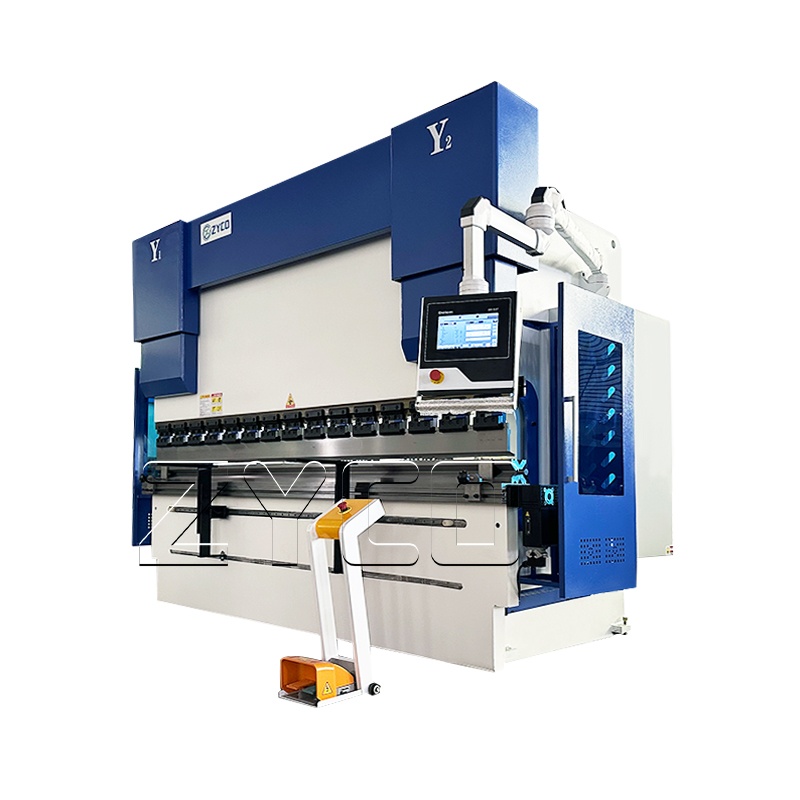
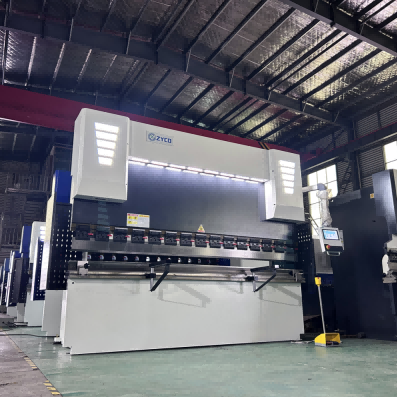
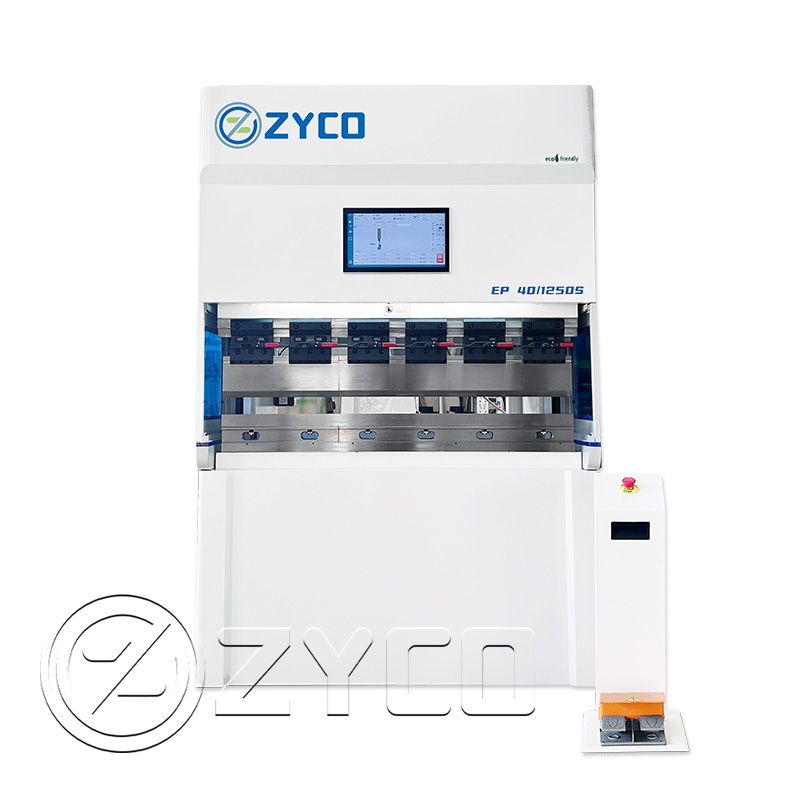
A CNC press brake is a device that precisely bends sheet metal by controlling the movement of the slide and backgauge. It uses a CNC system to control the movement of each axis, combined with hydraulic drive, die pressure, and angle detection, to achieve precise, stable, and efficient sheet metal bending.

Depending on the drive method, common types include:


✅ Electro-hydraulic synchronous bending machine (servo-hydraulic control, mainstream configuration)


DE68T electro-hydraulic CNC bending machine


✅ Torsional axis synchronous bending machine (simple structure, suitable for general needs)


Copper plate pure electric press brake


✅ Pure Electric servo bending machine (high-end energy-saving model, suitable for small precision workpieces)


torsion shaft bending machines


2. The main components of CNC bending machine

Module Name

Function Description

CNC System

Controls slide travel, backgauge position, angle compensation, and program calls.

Upper and lower molds

Key tools for forming bend angles and shapes.

Slider device

Drives the upper die up and down, applying pressure to form the shape.

Hydraulic System

Provides pressure to control the synchronized and stable operation of the slides.

Backgauge

Positions sheet length and controls bend dimensions.

Compensation System

Automatically adjusts for angular errors caused by machine tool deformation (e.g., mechanical/hydraulic compensation).

Safety protection devices

such as light curtains, emergency stop buttons, and access control interlocks, enhance operational safety.


3. The main advantages of CNC bending machines

1. High Precision and Excellent Repeatability

The CNC system achieves positioning accuracy of ±0.01mm, ensuring high bending angle consistency.


2.Fast mold changeover and simple operation

Using program calls and graphical guidance, mold and process switching can be completed in minutes, making it suitable for high-variety orders.


3.Adaptable to Flexible Manufacturing

Supports complex bending paths and multi-stage bending programs, making it suitable for customized, low-volume, and high-volume production.


4.Ample room for intelligent upgrades

Automated loading and unloading, robotic collaboration, and angle detection systems can be expanded to enable automated production line deployment.


4. Correct use steps of CNC bending machine

1. Power-On Inspection:

Check the hydraulic oil level;

Confirm that the power supply, voltage, and air pressure are safe;

Check that the mold is securely installed and that the safety devices are intact.


2. Programming:

Enter the bending angle, length, sequence, and backgauge position;

Import machining drawings via the graphical interface or USB;

Set compensation parameters and limit switches.


3. Plate Positioning and Operation:

Place the plate on the workbench, close to the back gauge.

A foot pedal controls the movement of the slide to perform the bending.

The system automatically controls the angle and stroke to avoid over- or under-pressure.


4. After bending is completed:

Check the workpiece dimensions and angles;

Turn off the power and clean the equipment;

Keep daily maintenance records.


5. Applicable industries and typical applications

CNC bending machines are widely used in:


Sheet metal fabrication: Chassis, cabinets, brackets

Automotive parts: Body frames, support beams

Home appliance manufacturing: Refrigerator doors, air conditioner casings

Power distribution industry: Control cabinets, switch cabinet door panels

Stainless steel products industry: Cabinets, stair railings, door and window components


6. Summary

With the continuous advancement of industrial automation and intelligent manufacturing, CNC press brakes are gradually replacing traditional manual bending and becoming the "intelligent backbone" of sheet metal production lines. For companies considering equipment upgrades or improving processing precision, choosing a CNC press brake with stable performance, high intelligence, and easy operation is undoubtedly a key step in achieving both efficiency and quality improvements.


If you have further questions about equipment selection, operator training, or export configuration, please feel free to contact the ZYCO technical team. We will provide you with professional and efficient one-stop solutions.

Aluminum alloy die-casting process knowledge

2025-08-07

Aluminum alloy die-casting process knowledge

1) Aluminum alloys can be divided into four types according to their performance characteristics and uses:

Rust-proof aluminum (LF), hard aluminum (LY), super hard aluminum (LC) and forged aluminum (LD)

2) Cast aluminum alloys can be divided into four types according to the addition of main alloying elements:

Aluminum silicon system (AL-Si), aluminum copper system (Al-Cu), aluminum magnesium system (Al-Mg) and aluminum zinc system (Al-Zn)

Common grades are ADC12 (A383), ADC10 (A380)

3) Advantages of aluminum alloy die-casting

Good product quality: high dimensional accuracy of castings, good surface finish, high strength and hardness, the strength is generally 25~30% higher than sand casting, but the elongation is reduced by about 70%, the size is stable, and the interchangeability is good. Thin-walled and complex aluminum castings can be die-cast, for example: the current minimum wall thickness of zinc alloy die-casting can reach 0.3mm, and aluminum alloy die-casting can reach 0.5mm. High production efficiency: The machine has high productivity. For example, the domestic JⅢ3 horizontal cold air die-casting aluminum machine can die-cast aluminum 600 to 700 times in eight hours on average, and the small hot chamber die-casting aluminum machine can die-cast aluminum 3,000 to 7,000 times every eight hours on average. Excellent economic effect: Due to the advantages of die-casting aluminum parts such as precise size and smooth surface. Generally, they are used directly without mechanical processing, or the processing volume is very small, so it not only improves the metal utilization rate, but also reduces a large number of processing equipment and working hours. The casting price is cheap, and combined die-casting aluminum can be used with other metals or non-metallic materials, which saves assembly time and metal.

4) Disadvantages of aluminum alloy die-casting

During die-casting, due to the high speed of liquid metal filling the cavity and the unstable flow state, the general die-casting aluminum method is used, and the casting is prone to pores and cannot be heat treated. For castings with complex concave, die-casting is more difficult. The life of aluminum alloy die-casting molds is low, and the life is about 80,000 times. It is not suitable for small batch production. The main reason is that the manufacturing cost of die-cast aluminum molds is high and small batch production is not economical. Aluminum alloy die-casting is not easy to achieve anodization. Since many bubbles or sand holes are easily left after die-casting, the appearance cannot be well repaired, and the appearance cannot be covered after oxidation.

Note: Here we focus on the number and life of aluminum die-casting molds, the grade of die-cast aluminum, and the reasons why the appearance cannot be oxidized.

Die-casting molds must be made of hot mold steel. Commonly used steels are: H13, 8407, 2344, 8418, SKD61, DAC, FDAC, etc. After the product is formed, subsequent water inlet punching, removal of burrs, tapping, thermal shaping, etc. are required to obtain the primary product that meets the design requirements.

Tips:

1) When designing the structure of aluminum alloy die-castings, try to design as few inclined top structures as possible to prevent the subsequent removal of burrs from being difficult.
2) When designing the structure of aluminum alloy die castings, it is also necessary to pay attention to the uniform thickness of the glue and the smooth flow of the glue, which can reduce many problems such as poor appearance caused by molding and increase subsequent polishing and re-inspection.
3) When designing the load-bearing structure, it is still necessary to consider the structural strength, otherwise it is easy to break.

Effective Strategies to Quickly Increase Green Speed

2025-08-07

Green speed is an important indicator of green quality, and many golf courses face the challenge of not meeting the required speeds for different tournaments. Here are some short-term effective methods to enhance green speed:

Adjust Mower Bed Knife Angle: Increasing the front angle of the bed knife can improve post-mowing green speed and enhance the smoothness of the cut. A high-quality bed knife for mowers can make a significant difference in achieving better cutting results.

Temporary Cleansing: By raising the height of the grooming brush, you can avoid disturbing the soil while also increasing the gap between the reel and the bed knife to reduce equipment load and improve cut uniformity.

Change Cutting Direction: Utilizing a cross-cutting pattern and reverse mowing can enhance upright grass growth and ensure a level hitting surface, thus increasing speed.

Moisture Control: Reduce automatic irrigation and opt for manual watering to prevent localized wetness, helping to keep the greens dry and speedier.

Adjust Mowing Height: Properly lowering the mowing height according to the 1/3 cutting rule can avoid damaging the turf while enhancing speed.

Adjust Mowing Frequency: Increasing the frequency of mowing, especially by mowing twice a day during high-speed demands, improves grass density and smoothness.

Optimize Mowing Speed: Choosing the right mower and blade type, and ensuring the mowing speed matches the grass height, can enhance cutting quality. A precision bed knife for golf course greens is crucial in ensuring a clean and even cut for better results.

Maintain Sharp Blades: Keeping the bed knife and reel sharp, along with proper blade spacing, ensures a clean cut and improves green speed. Regular sharpening is essential for maintaining the effectiveness of a durable bed knife for golf course mowers.

Rolling: Rolling the greens is an effective and safe method for quickly improving speed; studies show significant differences in speed before and after rolling.

Implementing these strategies can effectively increase green speed to meet tournament requirements.

Contact Us

Whether you are a gardener, landscape designer, or lawn maintenance company, our aeration blades are your ideal choice. If you are interested in our products or have any questions, please feel free to reach out to us through the following:

· Website: https://www.dxlfgolf.com/

· Mobile: +86 13981920100

· Email: 2556034587@qq.com / lfgolf888@gmail.com

· Address: Bowang Town, Bowang District, Ma'anshan City, Anhui Province, China

Bedknife Sharpening Of Reel Mower

2025-08-07

If replacing the bedknife it is important to use the following procedure:


1. Remove the bedbar from cutting unit.


2. Remove the screws from the bedbar using a socket wrench and a bedknife screw tool. Discard the screws.


3. Use a scraper to remove all rust, scale and corrosion from bedbar surface.


4. Lightly oil the bedbar surface before installing the bedknife.


5. Make sure that screw threads in the bedbar are clean.


IMPORTANT: Do not use an impact wrench to tighten the screws into the bedbar.


6. Use new screws to secure bedknife to bedbar. Apply antiseize lubricant to the threads of new screws. Do not apply antiseize lubricant to the taper of the screwheads.


7. Install all screws but do not tighten.


8. Using a torque wrench and bedknife screw tool, tighten the 2 outer screws to 10 in- lb (1 N-m).


9. Working fromthe center of the bedknife toward each end, tighten screws from 200 to 250 in- lb (23 to 28 N- m).


10. Grind the bedknife after installing it to the bedbar.


Since there can be variations in the mounting surface of the bedbar, it is necessary to grind the bedknife after installing it to the bedbar.


When grinding the bedknife, remove only enough material to make sure the top surface of the bedknife is true. Be careful not to overheat the bedknife. Remove small amounts of material with each pass of the grinder. Also, clean and dress grinding stone often during the grinding process.


Because the top grind angle on bedknives is critical for edge retention, and therefore after- cut appear ance,Using special service tools for accurately measuring the top grind angle on all bedknives.


IMPORTANT: Do Not grind the bedknife below it’s service limit. Operating the cutting unit with the bedknife below the service limit may result in poor after- cut appearance and reduce the structural integrity of the bedknife for impacts.


A lead-in chamfer provides a softened entry for the leading side of the reel blade helix as it approaches the bedknife. This helps eliminate rifling caused by heavy contact and vibration. A lead- in chamfer is ground into all new Reelmaster bedknives. The original chamfer should last for the first 40%of the bedknife service life. Check and re-grind the lead- in chamfer as necessary.


The idea is to get a grind in place without spending a lot of time making sure it is exact. Using a file to make the lead-in is a perfectly acceptable method. It is important not to make the lead-in too long or you will notice that there is a streak left behind at the edge of the cutting unit as the reel will not cut well in the area

of the grind or may adversely affect the overlap area.


The Edge Max bedknife includes a leading edge of harder steel.


The Edge Max bedknife Holds an edge twice as long as a standard bedknife, and reduces the need for adjustments, backlapping and grinding.


Set the bedknife to reel adjustment on an Edge Max bedknife as usual. Light contact while running on the ground.


There are no other special requirements.


A dull knife must be sharpened.


If backlapping is part of your maintenance practice, be prepared to backlap for two to three times the amount of time as compared to a standard bedknife. Front face grinding is acceptable in moderation.


Any facing or grinding must be done with exacting tolerances. Do not use a hand held grinder


Using a diamond grinding wheel is recommended to prevent overheating or damaging the bedknife edge while grinding.


Dress the stone more frequently. Before starting, and at least once during grinding. One pass to dress. Multiple passes will cause the stone to load up.


When grinding, remove smaller amounts of material

(a shallower cut).


Expect a different spark pattern.


Bedknife design must allow for maximum material to dissipate heat and yet allow the remaining uncut grass under the bedknife.


Unfortunately, there is no set rule for space left under the knife, nor can there be. This is due primarily to surface density and turf conditions. There is no measurable plane that works, other than, your mower, in your turf.


The only thing that is absolute is that while on the bench, the bedknife can not touch the height of cut adjusting tool. There must be a reasonable space between the bedknife and height of cut adjusting tool.


To look at that in a different manner, place the cutting unit on a table resting on the rollers so as you can look at the end of the cutting unit. The bedknife can not touch the table top. This is the absolute! Everything else depends on the agronomic conditions of the turf.


Listed here are popular Greens mower bedknives and their recommended operating range.


Due to the height of cut variations on a fairway and the requirements of cutting conditions there is another line of bedknives for the fairway or higher height of cut ranges.


Tags