头部背景图片

How to Use a Photostability Test Chamber for Accurate Results

2026-02-10

Photostability testing is crucial in industries like pharmaceuticals, cosmetics, and chemicals, where product stability under light exposure is paramount. A high-quality photostability test chamber ensures precise and reliable results. Labonce, a leading photostability chamber manufacturer, provides state-of-the-art environmental stability test chambers designed to meet rigorous testing standards. Here’s a step-by-step guide on using a photostability test chamber for accurate results.


1. Understand the Photostability Test Chamber Specifications

Before beginning any test, it is vital to understand the specifications of your laboratory photostability chamber. Labonce chambers are designed to simulate a wide range of environmental conditions, including temperature, humidity, and light intensity, to provide a controlled environment that meets ICH Q1B guidelines. Ensure you are familiar with the chamber’s settings and capabilities.


2. Prepare Your Samples Properly

Proper sample preparation is crucial for obtaining accurate results. Ensure that all samples are placed in suitable containers that do not react with the light or environmental conditions. Arrange the samples uniformly within the photostability test chamber to ensure consistent exposure to the light source.


3. Set the Appropriate Test Parameters

Labonce photostability chambers come with advanced digital controllers to set precise environmental parameters such as temperature, humidity, and light intensity. Adjust these settings according to the specific requirements of your product testing protocol. Follow guidelines from regulatory bodies like ICH to ensure the test conditions are compliant.


4. Regular Monitoring and Documentation

Throughout the testing process, it is essential to regularly monitor the chamber’s performance and the condition of the samples. Labonce's photostability test chambers are equipped with data logging systems that facilitate real-time monitoring and automatic recording of environmental conditions. This helps in ensuring consistent results and identifying any deviations promptly.


5. Maintenance and Calibration

For consistent accuracy, regular maintenance and calibration of your photostability chamber are critical. Labonce provides comprehensive maintenance services and calibration support to ensure that your chamber remains in optimal working condition. Cleaning the chamber and checking for any wear and tear in components can help avoid unexpected issues during critical tests.


6. Analyze the Results Effectively

After completing the testing cycle, carefully analyze the collected data. Labonce's photostability chambers provide easy data export options for thorough analysis. Use this data to understand how your product behaves under different environmental conditions, which can be crucial for determining its shelf life and stability.

By following these steps, you can leverage the advanced capabilities of Labonce's environmental stability test chambers to obtain accurate and reliable photostability test results, ensuring your products meet the highest standards of quality and safety. As a trusted photostability chamber manufacturer, Labonce is committed to supporting laboratories in achieving excellence in stability testing.
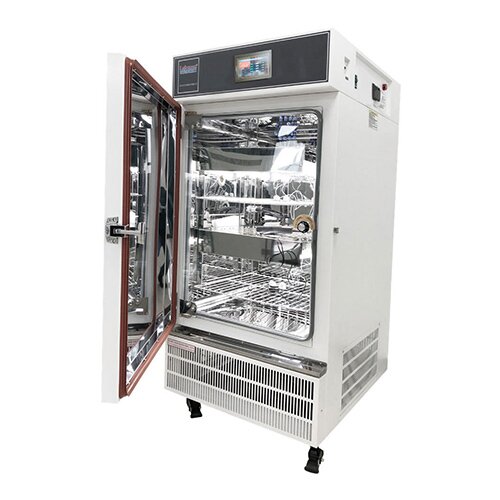
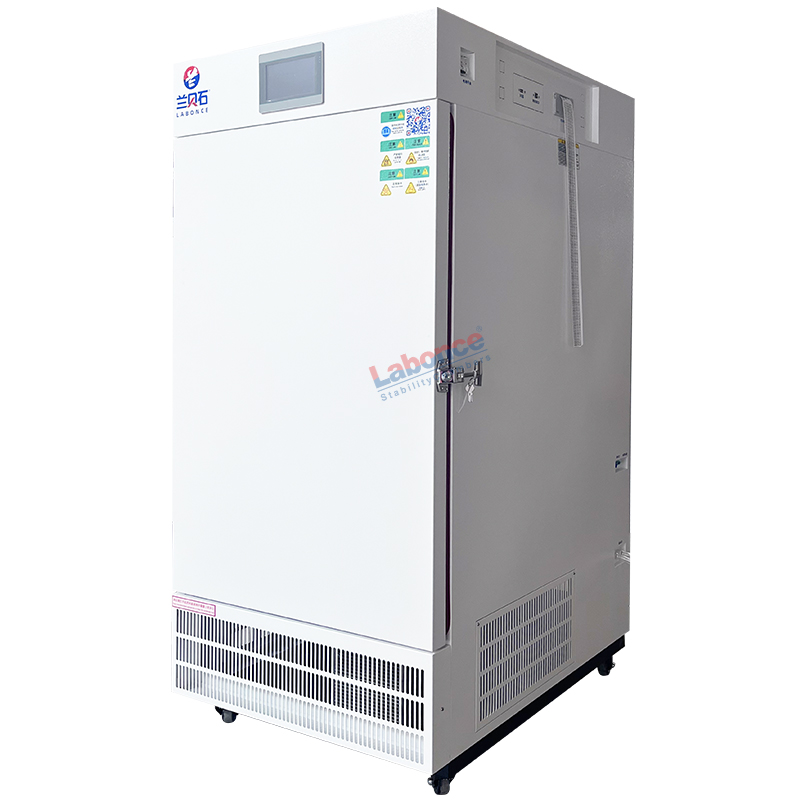
Photostability Chamber

In-Depth Analysis Key Requirements for Stability Chambers and Selection Guide

2026-02-10

In-Depth Analysis: Key Requirements for Stability Chambers and Selection Guide

In industries such as pharmaceuticals, biotechnology, cosmetics, and food, stability chambers are critical equipment for ensuring product quality and safety. It help scientists evaluate product stability and shelf life during long-term storage. However, selecting and maintaining a suitable stability chamber is not a simple task.

What is a Stability Chamber?

A stability chamber is specialized equipment capable of precisely controlling environmental parameters such as temperature, humidity, and light exposure. It is used to conduct stability studies as outlined in ICH (International Council for Harmonisation of Technical Requirements for Pharmaceuticals for Human Use) guidelines. 

Core Technical Requirements

1. Temperature Control Precision

  • Range: Must cover ICH-standard conditions such as 2-8°C (refrigerated), 25°C/60%RH (long-term), 30°C/65%RH (intermediate), and 40°C/75%RH (accelerated).

  • Accuracy: Should achieve ±0.5°C or better.

  • Uniformity: Temperature variation within the chamber should not exceed ±1.0°C.

  • Recovery Time: Fast temperature recovery after door opening to minimize impact on tests.

2. Humidity Control Precision

  • Range: Typically requires broad control capability, e.g., 10-95% RH.

  • Accuracy: Industry standard is ±1-3% RH.

  • Uniformity: Variation across points should not exceed ±3% RH.

  • Condensation Prevention: Design must avoid condensation on sample surfaces.

3. Light Exposure Control System

For products requiring photostability testing, the chamber should provide:

  • ICH Q1B Guideline-specified light conditions: UV (320-400 nm) and visible light (400-800 nm).

  • Precise control of light intensity and spectral distribution.

  • Uniform light distribution to ensure consistent conditions for all samples.

4. Monitoring and Validation System

  • Continuous Monitoring: Real-time recording of key parameters like temperature and humidity.

  • Alarm Function: Automatic alerts (audible, visual, SMS, or email) for out-of-spec conditions.

  • Data Integrity: Compliance with 21 CFR Part 11 requirements (audit trails, electronic signatures, secure access controls).

  • Regular Validation: Capability for IQ (Installation Qualification), OQ (Operational Qualification), and PQ (Performance Qualification).

5. Design and Construction

  • Materials: Corrosion-resistant stainless steel interior, easy to clean, contamination-free.

  • Sealing: Effective door seal design to minimize environmental interference.

  • Sample Capacity: Flexible, adjustable shelving systems to maximize space utilization.

  • Energy Efficiency: High-efficiency, energy-saving design to reduce long-term operational costs.

Compliance with Regulatory Requirements

Stability chambers must meet a range of international standards and regulations:

  1. ICH Guidelines: Q1A(R2), Q1B, Q1D, Q1E, etc.

  2. GMP/GLP Standards: Good Manufacturing Practice and Good Laboratory Practice.

  3. FDA 21 CFR Part 11: Electronic records and electronic signatures requirements.

  4. EU GMP Annex 11: Computerized system requirements.

  5. ISO 9001:2015: Quality management systems.

Conclusion

Selecting the right stability chamber is a decision that requires comprehensive consideration of technical performance, regulatory compliance, and long-term cost-effectiveness.Staying informed about these changes and regularly assessing whether your equipment meets the latest standards is a key responsibility for every laboratory manager. Labonce will accompany every clients for better goals.

Labonce TH Series Constant Temperature and Humidity Chamber Precise Control for Reliability Verification

2026-02-10

In fields such as precision manufacturing, materials research, electronics, and life sciences, conducting stable and repeatable temperature and humidity environmental tests on products is crucial. Labonce TH Series Constant Temperature and Humidity Chamber—a core device designed specifically for high-standard environmental simulation testing.

Core Performance: The Perfect Balance of Precision and Range

The key advantage of the Labonce TH Series lies in its perfect integration of outstanding performance parameters and excellent stability:

  • Broad Temperature Control Range: 0°C to +100°C

    • Covers a wide range of applications from room temperature to high temperature, simulating various thermal environments that products may encounter during storage, transportation, and use.

  • Accurate Humidity Control Range: 20%RH to 95%RH

    • Achieves precise control across a wide humidity spectrum, easily addressing testing challenges from dry to highly humid environments, such as accelerated aging and damp heat cycling.

Why is the TH Series the Optimal Choice for Your Laboratory?

1. Precise Control, Trustworthy Data
Utilizing an advanced Balanced Temperature & Humidity Control (BTHC) system and PID intelligent algorithms, it ensures uniform and stable temperature and humidity inside the chamber. Temperature fluctuation can be as low as ±0.5°C, and humidity fluctuation ±2%RH, providing laboratory-level precision and ensuring the reliability and repeatability of every test.

2. Robust and Durable, Stable Operation
The interior is constructed from high-quality stainless steel, offering sturdiness and corrosion resistance. Core components are sourced from internationally renowned brands, combined with Labonce’s mature system integration and process technology. 

3. User-Friendly Design, Smart and Convenient

  • Intuitive Touch Interface: A large color touchscreen with clear operation logic and parameter settings.

  • Powerful Programming Functionality: Supports multi-segment programming, allowing flexible simulation of complex temperature and humidity change curves for automated cyclic testing.

  • Remote Monitoring and Management: Optional network interface supports remote data viewing and downloading, facilitating centralized laboratory management.

4. Comprehensive Safety, Peace of Mind
Equipped with multiple safety protections: independent over-temperature protection, fan overheating protection, water shortage protection, leakage protection, and more, ensuring全方位 safety for both the testing process and the equipment itself.

Typical Application Scenarios

  • Electronic Product Reliability Testing: Performance and lifespan evaluation of PCBs, components, and end devices under high/low temperature and humidity conditions.

  • Materials Research: Weather resistance and moisture absorption testing for polymers, composite materials, coatings, textiles, etc.

  • Pharmaceutical and Packaging Stability Testing: Simulating storage conditions of drugs in different climatic zones to evaluate stability and packaging integrity.

  • Automotive Component Testing: Functional and durability validation of in-vehicle electronics, interior parts, etc., under specific temperature and humidity environments.

  • Scientific Research and Quality Control: Providing standardized environmental test conditions for universities, research institutions, and enterprise quality control laboratories.


About Labonce: We specialize in the field of environmental test equipment, committed to providing global customers with testing solutions ranging from standard to customized, through innovative technology, reliable quality, and comprehensive service. The TH Series embodies our deep understanding of precision, stability, and user needs.

For detailed technical specifications, configuration options of the Labonce TH Series, or to obtain customized solutions, please feel free to contact our technical team.

Walk-In Stability Chambers – Our Standard Offering

2026-02-10

Walk-In Stability Chambers – Our Standard Offering

In the demanding worlds of pharmaceuticals, biotechnology, and medical devices, ensuring product stability and shelf life isn't just a best practice—it's a regulatory requirement. While benchtop chambers serve a vital role for small-scale testing, many R&D, quality control, and production processes demand a larger-scale solution. This is where our standard Walk-In Stability Chambers come in, offering unparalleled capacity and performance without the need for a custom-engineered project.

What is a Walk-In Stability Chamber?

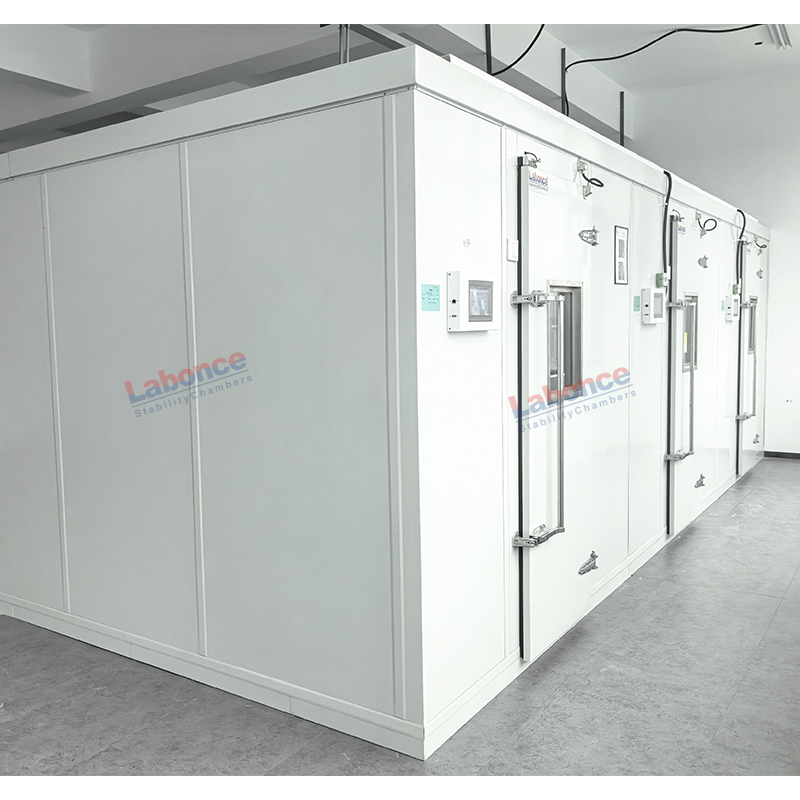
A walk-in stability chamber is a large, room-sized environmental test unit designed to simulate and maintain precise conditions of temperature and humidity over extended periods. As the name suggests, they are large enough for an operator to walk into, allowing for the organized storage of large product batches, pallets, or numerous shelves of samples. Their primary purpose is to conduct ICH stability studies to determine the effects of environmental conditions on a product's efficacy, safety, and quality over time.

When Do You Need a Walk-In Chamber?

Our clients typically invest in a walk-in chamber when:

Batch Size is Large: You need to test commercial-scale batches or a high volume of samples simultaneously.

Production is Scaling Up: Your R&D is complete, and you are moving into clinical trials or full-scale production, requiring larger stability studies.

Efficiency is Key: Consolidating samples into a single, large chamber is more efficient and manageable than using multiple smaller units.

You Need to Store Packaging & Products Together: Testing final packaged products in their shipping cases is easily accommodated.

The Cornerstones of Our Standard Offering

We understand that "custom" can often mean "complex and costly." That’s why we have refined our walk-in chamber design into a robust standard offering that delivers exceptional value and reliability. Here’s what you can expect:

1. Uncompromising Performance & Uniformity

Our chambers are engineered to meet the most stringent guidelines, including ICH Q1A(R2). We guarantee precise control and tight uniformity across the entire workspace.

Temperature Range: A standard range of 20°C to 45°C, with options for extended ranges, including accelerated conditions.

Humidity Range: Standard control from 20% to 80% RH.

Uniformity: We ensure minimal deviation in temperature (±0.5°C) and humidity (±2% RH) at every point within the chamber, crucial for valid data.

2. Built to last, our chambers feature:

Cladded Panels: High-density, non-CFC polyurethane foam insulation in stainless steel or aluminum cladding ensures excellent thermal efficiency and structural integrity.
Stainless Steel Interiors: Easy-to-clean, corrosion-resistant surfaces maintain a clean testing environment.
Tight Seals: Well-sealed doors with robust locking mechanisms prevent environmental leakage.

3. While we offer a powerful standard design, we also provide key options to ensure the chamber fits your specific facility and requirements, such as:

  • Various shelf configurations and materials

  • Different door styles (single or double)

  • Ports for data cables or sampling

  • A range of validation packages (IQ/OQ/PQ)

Why Choose Our Walk-In Stability Chamber?

Our standard walk-in stability chambers represent the perfect balance of proven performance, operational efficiency, and cost-effectiveness. You get a turnkey solution that is ready for validation and built to support your critical stability testing programs for years to come.


Ready to scale your stability testing with confidence!

Contact Labonce today to discuss your project requirements and receive a detailed specification sheet for our standard walk-in stability chambers.

What is a Stability Chamber and How Does It Work?

2026-02-10

A Stability Chamber, also known as a Stability Test Chamber, is a specialized piece of equipment designed to create controlled environmental conditions for testing the stability and durability of products. These chambers are essential tools in industries such as pharmaceuticals, cosmetics, food and beverage, and electronics, ensuring that products meet regulatory and quality standards.


Functions of a Stability Chamber

The primary purpose of a Stability Chamber is to simulate various environmental conditions, such as temperature and humidity, over extended periods. This allows manufacturers to observe how their products react to environmental stressors like heat, cold, moisture, and light. Stability Chambers are equipped with advanced temperature and humidity control systems to maintain precise conditions, often following international guidelines like ICH Q1A for stability testing.

Key features include:

1.Temperature Control: Ranges typically from 10°C to 60°C.
2.Humidity Control: Adjustable levels between 20% to 95% relative humidity.
3.Uniformity: Ensures consistent conditions throughout the chamber.
4.Data Logging: Real-time monitoring and recording of testing conditions.

Applications of Stability Test Chambers

1.Pharmaceuticals: Conducting stability studies to determine drug shelf life and optimal storage conditions.
2.Food & Beverage: Testing packaging and product stability under varying conditions to ensure quality.
3.Cosmetics: Assessing formulations for durability against temperature and humidity changes.
4.Electronics: Simulating environmental conditions to ensure the longevity of components.

Why Choose Labonce Stability Chambers?

Labonce offers advanced Stability Chambers tailored to meet stringent industry requirements. With state-of-the-art technology, precise control systems, and a focus on reliability, Labonce ensures your testing processes are efficient and compliant with international standards. Our products combine durability, energy efficiency, and easy operation, making them a trusted choice for stability testing across diverse industries.

Whether you're conducting drug stability studies or ensuring product quality, Labonce Stability Chambers provide unmatched performance to meet your testing needs.


Labonce Stability Chambers

Why choose Labonce Medicine Stability chamber?

2026-02-10

Beijing Labonce Thermostatic Technology Co., LTD., founded in 2008, Located in Beijing Zhongguancun life science park, committed to research the temperature and humidity technology services, the company production medicine stability test chamber, constant temperature and humidity chamber, high and low temperature test chamber, incubator and saving chamber and other environmental testing equipment, the introduction of Germany advanced technology, adopt the original installation imported high quality parts, stable and reliable performance.It provides products and services to more than 2000 enterprises, and exports equipment to more than 50 countries such as the United States and the United Kingdom.Backed by scientific research institutes, the company gives full play to its talent advantages, and constantly applies the latest results to products. The r&d team led by researchers and thermal engineering doctors is always serious and rigorous.The company has its own standard plant, standard test laboratory and sheet metal processing equipment, and has set up subsidiaries in jiangsu, Shanghai, guangzhou and chengdu, and offices in other provinces. The cause of life and health, only hard work, do not slack!


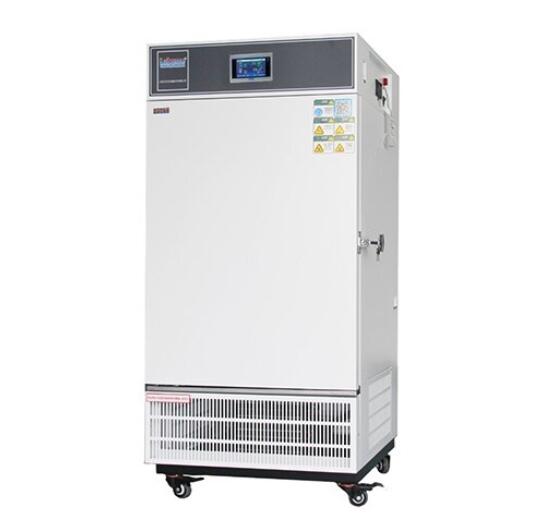
Medicine stability is hot sale products around Labonce,Many customers replace the order with us, Why they choose Labonce Medicine Stability chamber?Labonce-CGS Medicine Stability Testing Chamber, Adopt imported process design, Choose the original imported high quality parts, Stable and reliable performance. Suitable for GMP certified users.


Advantage as below:

The newly airway system designed achieves uniform of temperature and humidity form different parts inside the chamber; Polyurethane foam technology is adopted, with good heat preservation and moisture retention performance.

The original imported VAISALA humidity sensor with high accuracy, low drift, long life and maintenance free.

The original imported fully enclosed industrial compressor, high efficiency, low noise, ensure the long-term continuous operation of equipment.

The original imported programmable chromatic touch screen controller, sensitive, Small system error, Multi - stage program setting and multi - point accurate calibration function, With three level password.

There is a 25mm diameter test hole on the left side of the box. The inside toughened glass door and the outside door are designed to observe samples and It will not cause the change of temperature and humidity in the box in a short time.Door lock and mobile caster can be locked.

The liner is made of mirror stainless steel 304, no pollution source, easy to clean.

GMP Quality assured dual data acquisition system: Standard needle printer can print the model and serial number of the equipment to meet reach the requirements of data integrity and consistency. SD card storage, can store more than 5 years of electronic text data;Free software,SD card data can be imported into the computer system.

Safety device: Compressor overheat and overpressure overload protection, water shortage protection, dry burning protection system, independent overtemperature protection alarm system;

Alarm system: Sound-light alarm for temperature and humidity deviation, SMS alarm for remote temperature and humidity deviation and power failure.

Power: AC 220V±10% 50HZEnvironment temperature: +5 35℃

Temperature Fluctuation≤ ±0.5℃ Temperature Deviation≤ ±1.0℃Humidity Deviation≤ ±3%RH


Why Industries Depend on Stability and High and Low Temperature Chambers

2026-02-10

What Industries Use Stability Chambers?

In product development and quality assurance, environmental testing plays a critical role in ensuring safety, reliability, and performance. A stability chamber, also called a stability test chamber, is a specialized piece of equipment designed to simulate different environmental conditions—such as temperature, humidity, and light exposure—over extended periods of time. These chambers are indispensable across multiple industries, helping manufacturers validate product durability and meet regulatory standards. At Labonce, we provide high-performance stability chambers and high and low temperature chambers to support global businesses in their testing needs.

What Is a Stability Chamber?

A stability chamber is designed to create controlled conditions that mimic real-world environments. By exposing products to varying temperatures, humidity levels, and sometimes even light cycles, manufacturers can assess how their products behave over time. From pharmaceuticals to electronics, stability testing ensures that a product remains safe, effective, and reliable throughout its shelf life.

Key Industries That Use Stability Chambers

1. Pharmaceutical and Biotechnology

Perhaps the most significant users of stability test chambers are pharmaceutical and biotech companies. Medicines, vaccines, and medical devices must undergo rigorous stability testing to comply with international guidelines like ICH and FDA standards. These tests confirm the shelf life, storage requirements, and safety of life-saving products.

2. Food and Beverage

The food industry relies on stability chambers to evaluate the shelf life of packaged products under different storage conditions. By simulating humidity and temperature changes, companies can determine expiration dates, packaging performance, and long-term product quality.

3. Cosmetics and Personal Care

Cosmetic products must maintain their safety, fragrance, texture, and color over time. A stability test chamber allows manufacturers to test formulations against environmental stress to ensure product consistency for consumers worldwide.

4. Electronics and Semiconductors

With devices often used in diverse climates, electronic components undergo testing in high and low temperature chambers. This ensures that smartphones, automotive electronics, and industrial equipment can withstand temperature fluctuations and continue functioning reliably.

5. Chemical and Materials Industry

Specialty chemicals, paints, plastics, and polymers must demonstrate resistance to environmental stress. A stability chamber helps manufacturers evaluate product strength, durability, and long-term performance in challenging conditions.

6. Research and Development (R&D) Laboratories

Beyond manufacturing, R&D laboratories across industries use stability chambers for experimental purposes. Controlled environments allow researchers to study product prototypes, accelerate life cycle testing, and gather reliable data before large-scale production.

Why Choose Labonce Stability Chambers?

At Labonce, we are dedicated to providing advanced environmental testing solutions tailored to diverse industries. Our range of stability chambers and high and low temperature chambers are engineered with precision, reliability, and compliance in mind. With energy-efficient designs, accurate controls, and strong after-sales support, we help businesses worldwide ensure product safety and performance.


From pharmaceuticals and food to electronics and chemicals, many industries rely on stability test chambers to validate product quality and extend shelf life. Investing in a reliable stability chamber not only ensures regulatory compliance but also builds consumer trust. As a trusted partner, Labonce delivers innovative environmental testing equipment that empowers companies to achieve the highest standards of quality and reliability.


Contact Labonce today to learn more about our stability chambers and how they can support your industry’s testing requirements.


How many types of stability chambers are there?

2026-02-10

How many types of stability chambers are there?

Stability chambers can be categorized in numerous ways based on capacity, function, technological principle, and regulatory compliance. Here is a comprehensive classification:

1. Classification by Capacity & Design

This is the most intuitive method, directly related to lab space planning and testing throughput.

  • Benchtop Stability Chambers:

    • Features: Compact size, can be placed on a laboratory workbench or counter.

    • Applications: Ideal for early-stage R&D, sample screening, academic research, or testing with small sample volumes.

  • Upright Stability Chambers:

    • Features: Resemble a large refrigerator, with a small footprint that utilizes vertical space efficiently. They typically have multiple internal shelves.

    • Applications: The most common and mainstream type for pharmaceutical quality control and routine stability studies. They offer a balanced capacity and full functionality.

  • Walk-in Stability Chamber:

    • Features: A custom-built "room" where personnel can walk inside to store and retrieve samples.

    • Applications: Used by large pharmaceutical companies and Contract Research Organizations (CROs) that need to test very large batches of samples (e.g., entire cartons or pallets of raw materials or finished products).2. Classification by Function & Testing Parameters

This is the most critical technical classification, determining whether the chamber can meet specific regulatory testing requirements.

  • Constant Temperature & Humidity Chambers:

    • Features: Capable of precisely controlling and maintaining specific temperature and humidity setpoints. These are the core equipment for long-term and accelerated stability testing following ICH (International Council for Harmonisation) guidelines.

    • Applications: Simulating different global climate zones, such as 25°C ± 2°C / 60% ± 5% RH (long-term) and 40°C ± 2°C / 75% ± 5% RH (accelerated).

  • Photostability Chambers:

    • Features: In addition to temperature control, these are integrated with controlled light sources that provide visible and UV light exposure compliant with ICH Q1B guidelines.

    • Applications: Specifically used to study the photosensitivity of pharmaceuticals and their formulations, assessing degradation under light conditions.


  • Low Temperature Stability Chambers:

    • Features: Precisely control temperature only, without controlling humidity.

    • Applications: Used for products requiring specific storage temperatures but not strict humidity control, such as certain biologicals, reagents, or drugs stored at 2-8°C, -20°C.


2. Classification by Technological Principle

This relates to the internal heating and humidity generation systems, impacting performance, operating costs, and maintenance.

  • Water-Jacketed Chambers:

    • Features: The inner chamber is surrounded by a jacket filled with deionized water. Temperature is achieved by heating or cooling this water, resulting in very uniform and stable temperature control. Advantages include fast temperature recovery, excellent uniformity, and the ability to maintain internal temperature for a longer period during a power outage.

    • Applications: Critical applications where superior temperature uniformity and stability are paramount.

  • Direct-Heat / Mechatronic Chambers:

    • Features: Temperature is controlled by directly heating or cooling the air inside the chamber using electric heating elements and an efficient mechanical refrigeration system. Advantages include faster heat-up times, lower energy consumption, and no need to manage a water jacket.

    • Applications: A common design in modern chambers. The technology is now very mature and offers a cost-effective choice for many labs while maintaining precise control.

Summary

Selecting the right type of stability chamber is a comprehensive decision-making process based on:

  • Testing Purpose: Is humidity control needed? Is light exposure required?

  • Sample Volume: Is it for small-scale R&D or large-scale quality control?

  • Space Constraints: Does the laboratory have space for an upright or walk-in unit?

  • Budget and Compliance Requirements: Is it for non-critical research or for official regulatory submission?

In the actual market, the most common configuration is the Constant Temperature & Humidity Chamber, which serves as the cornerstone of stability studies in the pharmaceutical industry. Labonce is a leading stability chamber manufacturer,get more information from us.

How to Match an Excavator Bucket to Your Machine Size

2026-02-10

Selecting the correct excavator bucket is a critical decision for contractors, equipment owners, and dealers. As an excavator bucket supplier, we often see performance issues caused not by the machine itself, but by an incorrectly matched bucket. Choosing the right bucket for your excavator size ensures efficient digging, lower operating costs, and longer equipment life.


Why Proper Bucket Matching Is Essential

Every excavator is engineered to operate within specific limits, including hydraulic flow, breakout force, lifting capacity, and structural strength. A bucket that is too large or too heavy may physically fit the machine, but it will reduce performance and increase long-term maintenance costs.

From an OEM and aftermarket bucket supplier perspective, correct bucket matching helps:

Maintain optimal digging and breakout force

Reduce fuel consumption per cycle

Minimize stress on boom, arm, and hydraulic systems

Extend the service life of both bucket and excavator


Step 1: Determine Your Excavator’s Operating Weight

The starting point for bucket selection is the operating weight of the excavator, commonly referred to as tonnage.

Typical machine categories include:

  • Mini excavators (1–6 tons)
  • Small excavators (7–15 tons)
  • Medium excavators (16–30 tons)
  • Large excavators (30 tons and above)

Each category requires different bucket capacities, steel thicknesses, and reinforcement designs. A professional excavator bucket manufacturer designs buckets specifically for these machine ranges to meet OEM performance standards.


Step 2: Match Bucket Capacity to Machine Power

Bucket capacity must align with the excavator’s hydraulic power and breakout force—not just the physical size of the machine.

An oversized bucket may:

  • Fail to fill completely
  • Reduce digging efficiency
  • Increase fuel usage
  • Accelerate wear on pins and bushings

Experienced bucket suppliers typically recommend capacity ranges based on machine size and material density. A correctly sized bucket allows the excavator to work at peak efficiency without overloading the system.


Step 3: Consider Material Type and Application

The same excavator may require different bucket sizes depending on the application.

Common examples include:

  • General earthmoving (soil, sand): Standard duty bucket with larger capacity
  • Clay or compacted soil: Heavy duty bucket with reinforced structure
  • Rock, quarry, demolition: Rock bucket with smaller capacity but maximum strength

From an OEM supplier standpoint, rock buckets are intentionally designed with reduced capacity to protect the excavator from excessive stress.


Step 4: Evaluate Bucket Weight and Structural Strength

Bucket weight directly affects machine stability and lifting capacity. A heavier bucket reduces the excavator’s effective payload and increases wear on structural components.\

Key design factors to review with your bucket manufacturer:

  • Base plate and side plate thickness
  • Wear strips and reinforcement ribs
  • Cutting edge and side cutter configuration

A reliable excavator bucket supplier will balance durability and weight to meet OEM attachment guidelines.


Step 5: Confirm Pin, Linkage, and Coupler Compatibility

Even a well-sized bucket will perform poorly if mounting dimensions are incorrect.

Before purchasing, confirm:

  • Pin diameter and pin center distance
  • Ear width and linkage type
  • Compatibility with quick couplers
  • OEM-compatible dimensions ensure proper digging angles, smooth operation, and reduced pin wear.


Step 6: Work With a Professional Excavator Bucket Supplier

An experienced excavator bucket supplier or OEM manufacturer can recommend or customize buckets based on:

  • Excavator brand and model
  • Working environment and material
  • Daily operating hours
  • Local market requirements

Customized OEM and aftermarket buckets often deliver better performance and longer service life than generic options.


Matching an excavator bucket to your machine size is not a one-size-fits-all decision. By considering machine tonnage, bucket capacity, material type, structural weight, and mounting compatibility, you can significantly improve productivity and reduce operating costs.

The right bucket is not just compatible—it is engineered to work as an extension of your excavator.


What Are the Different Types of Excavator Buckets and Their Uses?

2026-02-10

What Are the Different Types of Excavator Buckets and Their Uses?

For construction contractors, equipment dealers, and project managers in Europe and North America, excavator buckets are not just basic attachments—they directly affect productivity, fuel efficiency, and operating costs. Using the wrong bucket can slow down progress, increase machine wear, and lead to unnecessary downtime.

Understanding the different types of excavator buckets and their real-world applications is essential for choosing the right solution for each job site. This guide explains the most common excavator bucket types and how they are used in actual working conditions.


1.Standard Excavator Buckets (General Purpose Buckets)

Standard excavator buckets are designed for everyday excavation tasks in soft to medium materials. They are commonly supplied as the original bucket with new excavators.

Typical applications include:

  • Soil and clay excavation
  • Sand and loose gravel handling
  • Residential and commercial construction projects

These buckets offer a balance between capacity, weight, and durability. For contractors working in relatively mild ground conditions, standard buckets are a cost-effective and versatile choice.


2.Heavy Duty Excavator Buckets

Heavy duty buckets are built for tougher environments where abrasion and impact are higher. Compared to standard buckets, they use thicker steel plates, reinforced cutting edges, and additional wear protection.

Common use cases:

  • Hard-packed soil
  • Mixed ground with stones
  • Road construction and foundation digging

In European and North American job sites where machines often operate long hours, heavy duty buckets help reduce maintenance frequency and extend service life, resulting in lower total ownership costs.


3.Rock Buckets

Rock buckets are specifically engineered for extremely harsh conditions. They feature high-strength, wear-resistant steel, reinforced ribs, and heavy-duty bucket teeth designed to penetrate rock and blasted materials.

Ideal for:

  • Quarry operations
  • Mining projects
  • Rocky terrain excavation

Using a standard bucket in these conditions can lead to rapid structural damage. Rock buckets are essential for maintaining efficiency and safety in demanding applications.


4.Trenching Buckets

Trenching buckets are narrow and designed to create precise, clean trenches with minimal material removal.

Common applications include:

  • Pipeline installation
  • Cable and utility projects
  • Drainage and irrigation systems

Their slim profile improves accuracy and reduces backfilling work, which is especially important for municipal and infrastructure projects across Europe and North America.


5.Tilting Excavator Buckets

Tilting buckets allow the operator to adjust the bucket angle hydraulically, increasing flexibility without repositioning the excavator.

Typical uses:

  • Slope finishing
  • Ditch cleaning
  • Landscaping and grading

These buckets are widely used in finishing work where precision and efficiency are critical.


Customized Excavator Buckets for Real Job Conditions

Anhui Yuanpeng sales a full range of standard, heavy duty, and rock excavator buckets, as well as customized solutions based on real customer working conditions. By adjusting bucket structure, wear protection, and steel grade, Anhui Yuanpeng helps customers achieve longer service life and better performance in their specific applications. 

By working with experienced seller like Anhui Yuanpeng, buyers in Europe and North America can ensure their excavator buckets are built to match real job site demands—delivering durability, efficiency, and long-term value.


Looking for the right excavator bucket for your project?

Anhui Yuanpeng supplies standard, heavy duty, rock, and customized excavator buckets for construction, mining, and infrastructure projects worldwide.


Contact us to discuss your working conditions and get a professional bucket solution.


Tags